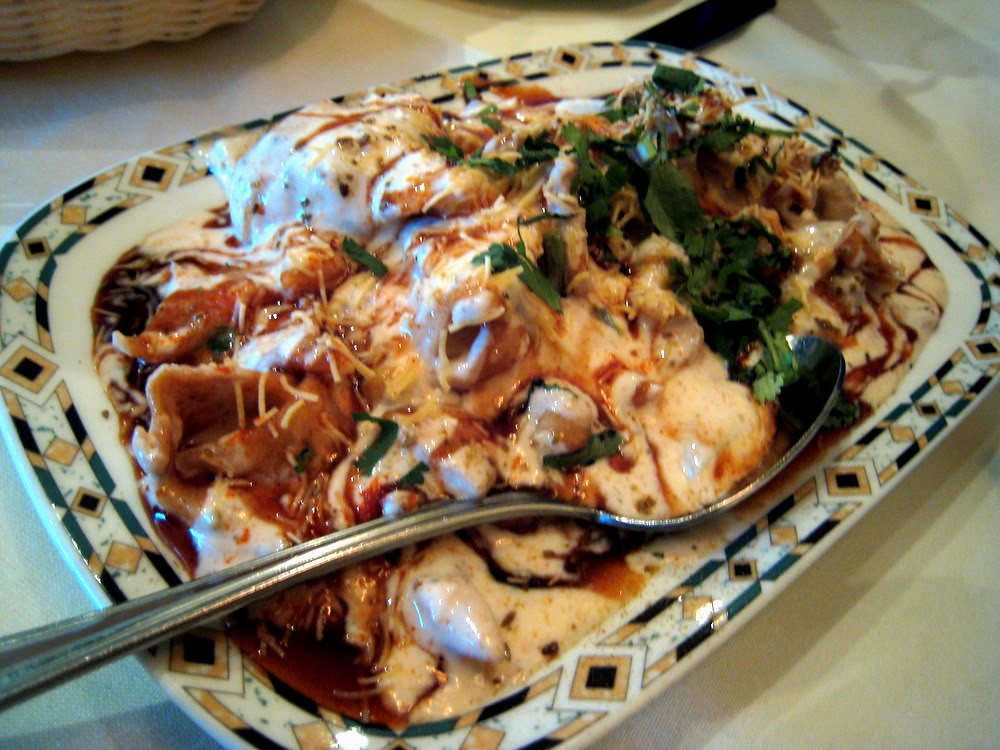
Chaat is all about contrast, and papri chaat might be the most joyful example of it. This papri chaat recipe layers crunchy homemade wafers with soft potatoes and chickpeas, cool sweetened yoghurt, sour tamarind, fiery green chutney and a final dusting of chaat masala. Every spoonful is crisp and creamy, sweet and sharp, all at once.
It is a favourite at iftar, at weddings and on any warm evening when you want something light but full of flavour. The good news: almost everything can be prepared ahead, so assembling a platter for guests takes five minutes.
Why This Chaat Is Worth Making at Home
Street-side chaat is wonderful, but homemade has real advantages. You can fry the papri fresh so it is properly crunchy, control how sweet or spicy the yoghurt and chutneys are, and pile on as many toppings as you like.
- Balanced flavours: the yoghurt is lightly sweetened to soften the heat and tang, just as good chaat wallahs do it.
- Prep-ahead friendly: papri keeps for a week in a tin; chutneys keep for days in the fridge.
- Vegetarian and filling: chickpeas and potatoes make it substantial enough for a light meal.
- Feeds a crowd: double or triple everything and build a big platter in minutes.
Understanding the Components
Papri chaat is an assembly dish, so each part needs to be good on its own.
- Papri: small, crisp fried wafers. A spoon of semolina and a stiff dough keep them crunchy. Shop-bought papri works if you are short on time.
- Chickpeas: canned chickpeas are convenient; rinse them well. Home-boiled ones from dried chickpeas have better texture.
- Potatoes: waxy or all-purpose potatoes hold their dice shape better than floury ones.
- Yoghurt: full-fat yoghurt gives the creamiest result. Whisk it smooth and keep it cold.
- Tamarind chutney: sweet and sour, made from tamarind pulp, jaggery or sugar, and spices. It is the backbone of the dish.
- Green chutney: mint, coriander, green chilli and lemon. Adds freshness and heat.
- Chaat masala: the tangy, slightly sulphurous spice blend that makes chaat taste like chaat. Do not skip it.
Papri Chaat Recipe: Crunchy Wafers, Yoghurt and Tangy Chutneys
Pakistani · Snack · Easy
Ingredients
- 125 g (1 cup) plain flour, for the papri
- 1 tbsp fine semolina (sooji)
- 1/4 tsp ajwain and 1/4 tsp salt
- 2 tbsp oil or ghee, plus about 60 ml water
- Oil for deep frying
- 400 g can chickpeas, drained and rinsed (or 1 cup boiled chickpeas)
- 2 medium potatoes, boiled, peeled and diced
- 300 g (1 1/4 cups) plain yoghurt, chilled
- 1 1/2 tbsp sugar or to taste
- 4 tbsp tamarind (imli) chutney
- 3 tbsp green chutney (mint-coriander)
- 1 small onion, finely chopped
- 1 small tomato, finely chopped
- 1 tsp chaat masala
- 1 tsp roasted cumin powder
- 1/2 tsp red chilli powder
- 2 tbsp chopped fresh coriander
- Handful of sev or crushed nimko, and pomegranate seeds (optional)
Method
- Make the papri dough: mix flour, semolina, ajwain and salt. Rub in the oil, then add water gradually to form a stiff dough. Rest for 15 minutes.
- Roll the dough thinly (about 2 mm) and cut into 5 cm rounds. Prick each round several times with a fork so it does not puff.
- Heat oil to about 160°C and fry the papri in batches for 3-4 minutes, until crisp and light golden. Drain and cool completely.
- Whisk the chilled yoghurt with sugar and a pinch of salt until smooth and pourable. Add a spoonful of water if it is too thick.
- Toss the chickpeas and potatoes with half the chaat masala, roasted cumin and a pinch of salt.
- To assemble, arrange papri on a plate. Top with the chickpea and potato mix, onion and tomato.
- Spoon over plenty of sweet yoghurt, then drizzle with tamarind and green chutney.
- Sprinkle with remaining chaat masala, chilli powder, cumin, coriander, sev and pomegranate. Serve immediately.
Building It Step by Step
Frying the papri
Roll the dough thin and prick it all over; those fork holes stop the rounds from puffing into puris. Fry at a moderate temperature so they crisp all the way through before browning. They should be pale golden and sound hollow when tapped. Let them cool fully; they crisp up further as they cool. If the first batch browns too fast, lower the heat slightly before frying the rest.
Preparing the base
Season the chickpeas and potatoes separately before assembly. This is a small step that makes a big difference, because every layer carries flavour rather than relying on the toppings alone.
Sweetening the yoghurt
Whisk sugar into cold yoghurt until it dissolves completely. Taste it: it should be gently sweet, not dessert-sweet. If it is too thick to drizzle, loosen it with a little cold milk or water.
Assembling
Assemble only just before eating. Spread papri on a plate, add the chickpea and potato mix, onion and tomato, then a generous blanket of yoghurt. Zigzag over the chutneys, then shower with spices, coriander, sev and pomegranate. The papri should still crunch when the first spoon goes in.
Tips for Perfect Chaat
- Chill the yoghurt, chickpeas and potatoes. Cold toppings on crisp papri is the ideal contrast.
- Use more tamarind chutney than green chutney; the sweet-sour flavour should lead.
- Toast whole cumin seeds in a dry pan and grind them fresh for the best aroma.
- Add sev and pomegranate at the very end so they stay crunchy and bright.
- Make individual plates for guests rather than one big bowl, so nobody gets soggy papri.
Variations and Serving Ideas
This papri chaat recipe is a template you can adapt freely.
| Variation | What changes |
|---|---|
| Dahi bhalla chaat | Add soaked lentil dumplings (bhallay) alongside the papri. |
| Samosa chaat | Break leftover samosas over the chickpeas instead of papri. |
| Baked papri | Bake the pricked rounds at 180°C for 12-15 minutes until crisp. |
| Fruit chaat twist | Add diced apple, banana or guava for extra sweetness and crunch. |
| Sprouted moong chaat | Swap chickpeas for sprouted moong for a lighter, crunchier base. |
Serve papri chaat as an iftar starter, as part of a chaat counter at a party, or as a light lunch on a hot day. A glass of chilled lassi or lemon soda makes a fine partner.
Storing and Prepping Ahead
Store fried papri in an airtight tin at room temperature for up to a week. If it softens, crisp it in a 160°C oven for 5 minutes. The chickpeas, potatoes and sweet yoghurt keep separately in covered containers in the fridge for 2 days, and both chutneys for about a week. Once assembled, chaat does not keep; eat it straight away.
Frequently Asked Questions
Can I use ready-made papri?
Yes. Packaged papri is widely available in South Asian shops and saves time. Warm it briefly in the oven to refresh the crunch.
How do I make quick tamarind chutney?
Simmer 3 tbsp tamarind paste with 4 tbsp sugar or jaggery, 120 ml water, a pinch of salt, roasted cumin and red chilli until slightly thick. Cool before using.
Can I make it less sweet or less spicy?
Of course. Reduce the sugar in the yoghurt for a more savoury chaat, or use less green chutney and chilli powder for children. Chaat is meant to be adjusted at the table, so keep extra chutney and spices nearby and let everyone season their own plate.
Why did my papri puff up?
They were not pricked enough or were rolled too thick. Prick each round several times with a fork and roll to about 2 mm.
Is this papri chaat recipe suitable for making in bulk?
Very much so. Scale up the components, keep them chilled and separate, and set up a self-serve chaat station so guests build their own plates.
One Plate, Every Flavour
When people say chaat is a mood rather than a meal, this is what they mean. Fry a tin of papri, keep chutneys in the fridge, and this papri chaat recipe becomes an anytime treat that tastes like a busy food street on a summer evening.