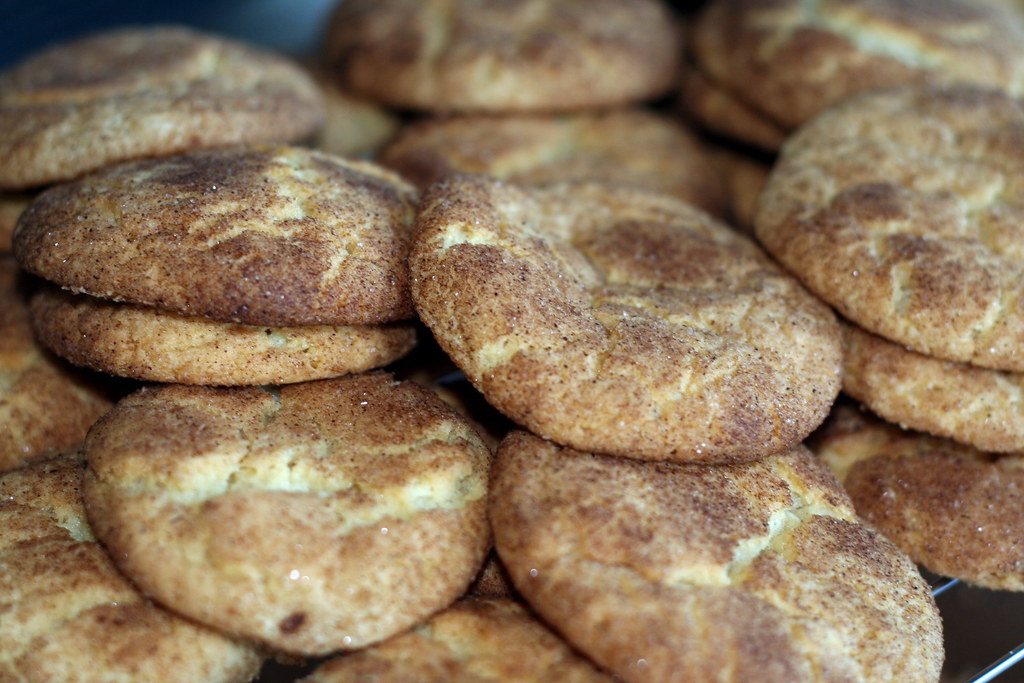
If you have never tried one, a snickerdoodle is a simple butter cookie rolled in cinnamon sugar before baking, with a soft, pillowy middle and a crackled, sparkly top. This snickerdoodles recipe makes thick, chewy cookies with a gentle tang that sets them apart from an ordinary sugar cookie, and it uses only pantry staples.
What makes these special is cream of tartar. It gives snickerdoodles their signature slight tang and keeps the texture soft and chewy rather than crisp. Combined with a short baking time, it gives you cookies that stay tender for days.
Why These Cookies Are Worth Baking
Snickerdoodles are one of the most forgiving cookies for beginners. There is no chocolate to melt, no special equipment beyond a bowl and a spoon, and the dough comes together in minutes. The cinnamon sugar coating makes them look bakery-perfect even if your balls of dough are not perfectly round.
They also smell wonderful while baking, they travel well in lunchboxes, and children love helping roll the dough in the cinnamon sugar. They are just as welcome with an afternoon cup of chai as they are at a bake sale or a festive cookie swap.
The Role of Each Ingredient
- Cream of tartar: this acidic powder reacts with the bicarbonate of soda to lift the dough, and it adds the light tang. It also stops the sugar from crystallising, which helps the chewy texture. Find it in the baking aisle.
- No cream of tartar? Replace both the cream of tartar and bicarbonate of soda with 2 tsp baking powder. The cookies will be lovely but slightly less chewy and without the tang.
- Butter: softened but not melted. It should give slightly when pressed but still hold its shape. Melted butter makes flat, greasy cookies.
- Sugar: regular white sugar gives the classic look. Swapping a quarter of it for light brown sugar makes the cookies chewier and a little more caramel-flavoured.
- Eggs: room temperature eggs blend more smoothly into the butter. Sit them in warm water for five minutes if they are straight from the fridge.
- Cinnamon: use a fresh, fragrant jar. Old cinnamon tastes dusty and flat.
Snickerdoodles Recipe: Soft, Chewy Cinnamon Sugar Cookies
American · Dessert · Easy
Ingredients
- 340 g (2 3/4 cups) plain flour
- 2 tsp cream of tartar
- 1 tsp bicarbonate of soda (baking soda)
- 1/4 tsp fine salt
- 170 g (3/4 cup) unsalted butter, softened
- 250 g (1 1/4 cups) caster or granulated sugar
- 2 large eggs, at room temperature
- 1 tsp vanilla extract
- For rolling: 50 g (1/4 cup) sugar mixed with 1 tbsp ground cinnamon
Method
- Preheat the oven to 190°C/375°F (170°C fan) and line two baking trays with baking paper.
- Whisk together the flour, cream of tartar, bicarbonate of soda and salt in a bowl.
- Beat the butter and sugar together for 2-3 minutes until pale and fluffy. Beat in the eggs one at a time, then the vanilla.
- Add the flour mixture and mix on low speed or with a spatula just until a soft dough forms with no dry streaks.
- If the dough is very soft, chill it for 20-30 minutes.
- Roll the dough into balls of about 30 g (2 tbsp) each and roll them generously in the cinnamon sugar.
- Place them 5 cm apart on the trays and bake for 9-10 minutes, until the edges are set and the centres look slightly underdone and puffy.
- Leave on the trays for 5 minutes, then move to a wire rack to cool. The cookies will sink and crinkle as they cool.
Baking Them Step by Step
Measuring the flour
Too much flour is the most common reason cookies turn out dry and cakey. Weigh it if you can. If you use cups, spoon the flour into the cup and level it off, rather than scooping directly from the bag, which packs it down.
Creaming the butter and sugar
Beat until the mixture looks lighter in colour and fluffy. This traps tiny air bubbles that help the cookies rise. Two to three minutes with an electric mixer is plenty; a wooden spoon and some elbow grease works too.
Mixing the dough
Once the flour goes in, mix gently and stop as soon as there are no streaks. Overworking develops the gluten and makes the cookies tough.
Rolling and coating
Roll the dough between your palms into smooth balls, then roll them generously in cinnamon sugar. A thick coating gives that crackly, sparkly crust. Do not flatten them; they spread on their own.
Knowing when they are done
This is the part that matters most. Take the cookies out when the edges are set but the centres still look puffy and slightly underbaked. They finish cooking on the hot tray and sink into soft, crinkled rounds. Leave them in for an extra two minutes and they will be crisp rather than chewy.
Troubleshooting Common Problems
| Problem | Likely cause and fix |
|---|---|
| Cookies spread too thin | Butter was too soft or the kitchen was warm. Chill the dough for 30 minutes. |
| Cookies are puffy and cakey | Too much flour. Weigh your flour or spoon and level it. |
| Cookies are hard | Overbaked. Pull them out while the centres still look soft. |
| No crinkly tops | Not enough cinnamon sugar, or the dough was overmixed. |
Fun Variations
For brown butter snickerdoodles, melt and brown the butter, then chill it until solid again before creaming; the nutty flavour is wonderful. For a desi twist, add 1/2 tsp ground cardamom to the cinnamon sugar for a chai-spiced cookie. Pumpkin spice versions use a mix of cinnamon, ginger, nutmeg and cloves in the coating. You can also sandwich two cooled cookies with cream cheese frosting or vanilla ice cream for an indulgent treat.
Whichever variation you choose, keep the basic snickerdoodles recipe the same: soft butter, cream of tartar, a generous coating and a short bake. Those four things are what give the cookie its character.
Storing and Freezing
Keep cooled snickerdoodles in an airtight tin at room temperature for up to 5 days. Adding a slice of bread to the tin helps keep them soft. Baked cookies freeze well for up to 3 months.
The dough freezes even better. Roll it into balls, freeze them on a tray, then transfer to a freezer bag. When you want fresh cookies, roll the frozen balls in cinnamon sugar and bake straight from frozen, adding 1 to 2 minutes to the time.
Frequently Asked Questions
What does a snickerdoodle taste like?
Buttery and sweet like a sugar cookie, with warm cinnamon and a subtle tangy note from the cream of tartar.
Do I have to chill the dough?
Not always. This snickerdoodles recipe is designed to bake without chilling, but if your kitchen is warm or the dough feels sticky, 20 to 30 minutes in the fridge helps prevent spreading.
Why are they called snickerdoodles?
Nobody knows for certain. The name is often linked to German or Dutch words, or simply to a whimsical naming habit in old American baking, but there is no firm answer. Whatever the origin, it is a cheerful name for a cheerful cookie.
Can I make them egg-free?
Replace each egg with 3 tbsp plain yoghurt. The cookies will be slightly softer and more cake-like.
A Simple Classic
Some recipes earn their place through sheer reliability, and this snickerdoodles recipe is one of them. Bake a batch, fill the kitchen with the smell of cinnamon and enjoy them warm with a glass of milk or a cup of tea.