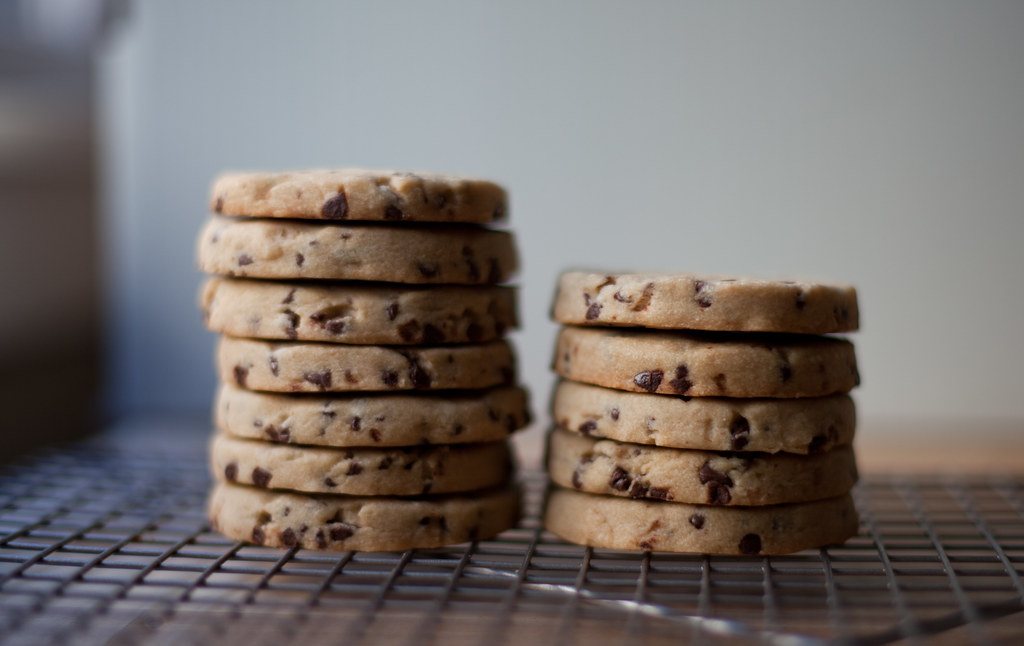
Good shortbread is all about restraint. With only butter, sugar and flour, there is nowhere for a poor ingredient or a heavy hand to hide. This shortbread cookies recipe shows you how to get the balance right, giving pale, crisp-edged biscuits that crumble softly and taste deeply of butter.
What makes this version special is a small spoonful of cornflour, which keeps the crumb tender and sandy, and a short chill before baking so the cookies hold sharp edges. No eggs, no baking powder, and no complicated technique: just careful mixing and a low, gentle oven.
Why Bakers Love This Shortbread
Shortbread is a Scottish classic with a famously simple ratio: roughly one part sugar, two parts butter and three parts flour by weight. That makes it easy to remember and scale. It keeps well for days, travels without breaking easily and looks lovely stacked in a gift tin. Children can help cut the shapes, and the dough is very forgiving as long as you do not overwork it.
It also makes a brilliant base for flavours, from lemon zest to cardamom, so one recipe can give you a whole range of biscuits.
The Ingredients, Explained
- Butter: The star. Use real, good-quality unsalted butter, softened until it dents easily but is not greasy or melted. Margarine and spreads make the biscuits spread and taste flat.
- Caster sugar: Fine sugar dissolves into the butter and gives a smooth texture. Icing sugar makes an even softer, more delicate biscuit; granulated sugar gives a slightly crunchier bite.
- Plain flour: All-purpose flour is right here. There is no need for bread flour or self-raising flour.
- Cornflour or rice flour: Replacing a little wheat flour with either one gives the classic short, sandy crumb. Fine semolina is a traditional alternative that adds a pleasant crunch.
- Salt: Just a pinch sharpens the butter flavour. If you only have salted butter, leave the extra salt out.
Shortbread Cookies Recipe: Buttery, Tender and Melt-in-the-Mouth
Scottish · Dessert · Easy
Ingredients
- 225 g (1 cup) unsalted butter, softened
- 100 g (1/2 cup) caster sugar, plus extra for sprinkling
- 300 g (2 1/3 cups) plain flour
- 30 g (1/4 cup) cornflour or rice flour
- 1/4 tsp fine salt
- 1/2 tsp vanilla extract (optional)
Method
- Line two baking trays with baking paper.
- Beat the softened butter and sugar together with a wooden spoon or mixer for 2 to 3 minutes until smooth and creamy, then mix in the vanilla.
- Sift in the flour, cornflour and salt. Mix gently until it forms a crumbly dough, then bring it together with your hands without kneading.
- Roll the dough out on a lightly floured surface to about 1 cm thick and cut into rounds or fingers. Prick each one with a fork.
- Place on the trays and chill for 20 to 30 minutes. Preheat the oven to 160°C (140°C fan, 325°F).
- Bake for 18 to 22 minutes until set and just pale golden at the edges.
- Sprinkle with caster sugar while hot, cool on the tray for 10 minutes, then transfer to a wire rack to cool completely.
Making Shortbread, Stage by Stage
Cream gently, not furiously
Unlike a sponge cake, shortbread does not need lots of air beaten into it. Mix the butter and sugar just until smooth and pale. Over-beating adds air that makes the biscuits puff and lose their dense, buttery texture.
Add flour with a light hand
Once the flour goes in, stop as soon as the mixture looks like damp crumbs that hold together when pressed. Working the dough develops gluten, which turns tender shortbread tough. Tip it onto the worktop and press it together with your palms rather than kneading.
Shape and chill
Roll the dough to an even thickness so all the biscuits bake at the same rate. Rounds, fingers and petticoat-tail wedges are all traditional. Pricking with a fork lets steam escape so the surface stays flat. Chilling firms the butter, which means the biscuits keep their shape in the oven instead of spreading.
Bake low and watch the colour
Shortbread should be baked at a moderate temperature and come out pale, with only the faintest gold at the edges. Too much colour gives a bitter, overbaked taste. The biscuits will feel soft when hot but firm up as they cool, so trust the timer and the colour rather than pressing them.
Expert Tips
- Weigh your ingredients if you can. Small changes in flour make a noticeable difference with so few ingredients.
- If the dough is too crumbly to roll, press it into a lined 20 cm square tin instead, bake for 30 to 35 minutes and cut into fingers while warm.
- Re-roll offcuts only once, and chill them first; repeated rolling toughens the dough.
- Bake one tray at a time on the middle shelf for even colour.
- Let the biscuits cool fully before storing, or trapped steam will soften them.
Flavour Variations
| Variation | What to add |
|---|---|
| Lemon | Finely grated zest of 1 lemon creamed with the butter |
| Cardamom and pistachio | 1/2 tsp ground cardamom and 3 tbsp finely chopped pistachios |
| Chocolate chip | 75 g mini chocolate chips folded in at the end |
| Chocolate-dipped | Dip cooled biscuits halfway into melted dark chocolate |
| Brown butter | Brown the butter, chill until soft-set, then use as normal |
The cardamom and pistachio version is a lovely choice for Eid or tea with guests, as it echoes the flavours of nankhatai while keeping the rich, buttery character of this shortbread cookies recipe.
Storing and Gifting
Keep shortbread in an airtight tin at room temperature for up to 2 weeks; the flavour actually deepens after a day or two. The baked biscuits freeze well for up to 3 months. You can also freeze the raw dough, wrapped in a log, for up to 3 months, then slice and bake from almost frozen, adding a couple of minutes to the time.
For gifts, layer the biscuits between sheets of baking paper in a tin or a box, and tie with ribbon. They hold up well in the post if packed snugly.
Shortbread FAQs
Why did my shortbread spread?
The butter was probably too soft or the dough was not chilled. Chill the shaped biscuits until firm before baking.
Why is my shortbread hard rather than crumbly?
Usually the dough was overmixed or kneaded after adding flour. Mix only until it comes together.
Can I make this shortbread cookies recipe without cornflour?
Yes. Use 330 g plain flour in total. The texture will be a little less sandy but still delicious.
How do I know when shortbread is done?
Look at the edges and the base rather than the top. The edges should be just turning a pale golden colour, and the underside should be lightly coloured when you lift one with a spatula. The tops will still look pale, which is exactly right.
Can I make it gluten-free?
A good gluten-free plain flour blend works surprisingly well here, since shortbread does not rely on gluten for structure. Use rice flour as the extra starch, and handle the dough gently, as it can be a little more fragile.
Can I use salted butter?
Yes, just skip the added salt. Many people enjoy the slightly savoury edge it brings.
Time to Bake
With just three main ingredients and a little patience, this shortbread cookies recipe rewards you with biscuits that taste far better than anything from a packet. Put the kettle on, fill the tin, and enjoy one while they are still faintly warm.