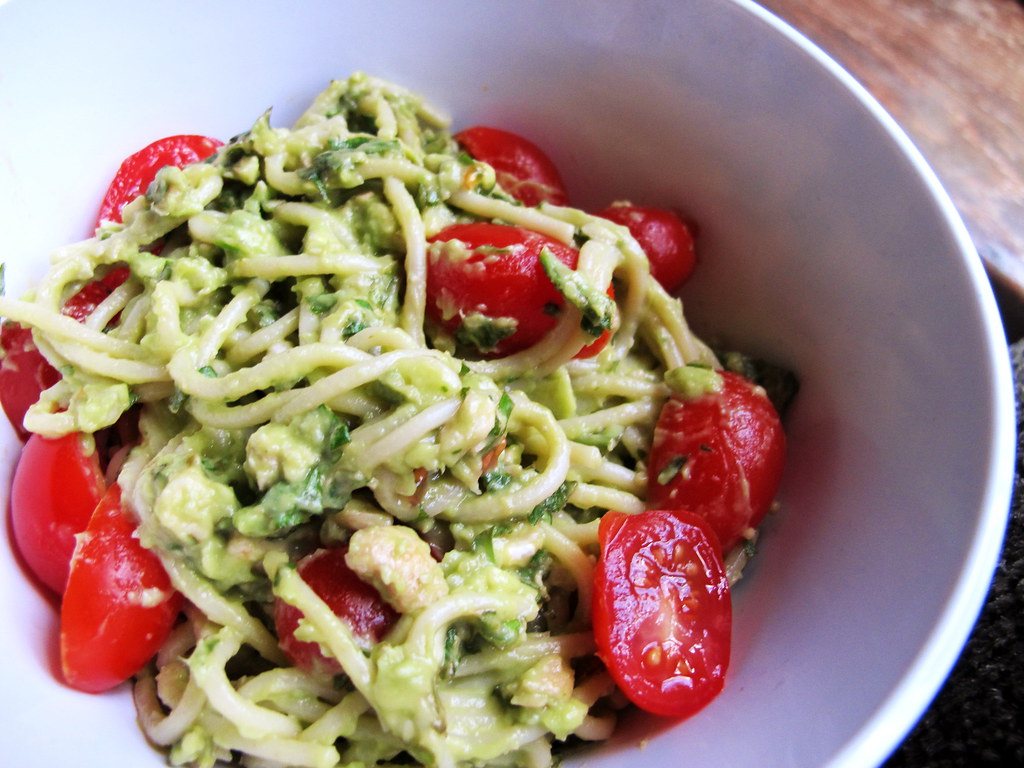
Few dinners feel as fresh as a bowl of pesto pasta made with a just-blended basil sauce. This version adds cherry tomatoes cooked in a hot pan until their skins blister and split, so you get bursts of sweet, jammy tomato alongside the herby, garlicky pesto. It is quick enough for a weeknight and pretty enough for guests.
The pesto takes about five minutes in a food processor while the pasta water comes to the boil. A splash of starchy cooking water turns it into a silky coating rather than an oily clump, which is the difference between good homemade pasta and something that tastes like a jar.
Reasons to Make It Tonight
- Twenty minutes, start to finish. Pesto blends while the pasta cooks.
- Bright, fresh flavour. Homemade pesto tastes noticeably greener and livelier than shop-bought.
- Vegetarian and flexible. Add chicken, prawns or white beans to make it heartier.
- Budget friendly. Walnuts or cashews replace expensive pine nuts without losing much.
About the Ingredients
Pesto has very few ingredients, so each one counts.
- Basil: Use only the leaves and tender tips. Large-leaf Italian basil is ideal. Wash and dry it thoroughly; wet leaves make a watery, dull pesto.
- Nuts: Pine nuts are traditional, but they are costly in many places. Walnuts give an earthier taste, cashews a creamy, sweet one, and almonds work too. Toast them lightly in a dry pan for more flavour.
- Garlic: Raw garlic is strong, so start with one clove and add more to taste.
- Cheese: Parmesan or Grana Padano. Pecorino adds a sharper, saltier edge. Many hard Italian cheeses use animal rennet, so check the label if that matters to you.
- Olive oil: A fruity extra virgin oil makes a real difference here because it is not cooked.
- Cherry tomatoes: Any small sweet tomatoes, red or mixed colours. Out of season, a quick blister in the pan brings out their sweetness.
Pesto Pasta with Cherry Tomatoes: Fresh Basil Pesto Recipe
Italian · Main Course · Easy
Ingredients
- 350 g spaghetti, linguine or fusilli
- 300 g cherry tomatoes
- 1 tbsp olive oil (for the tomatoes)
- 50 g fresh basil leaves (about 2 large packed cups)
- 40 g pine nuts, walnuts or cashews, lightly toasted
- 1–2 garlic cloves
- 50 g Parmesan, finely grated, plus extra to serve
- 100 ml extra virgin olive oil
- 1–2 tsp lemon juice
- Salt and black pepper, to taste
- Pinch of chilli flakes (optional)
Method
- Bring a large pot of well-salted water to the boil and cook the pasta until al dente.
- While the pasta cooks, make the pesto: blend the basil, toasted nuts, garlic and a pinch of salt in a food processor until finely chopped. With the motor running, pour in the olive oil, then pulse in the Parmesan and lemon juice. Taste and season.
- Heat 1 tbsp olive oil in a frying pan over medium-high heat. Add the cherry tomatoes and cook for 4–6 minutes, shaking the pan, until blistered and just starting to burst. Season with salt.
- Reserve 200 ml of pasta water, then drain the pasta.
- Return the pasta to the pot off the heat. Add the pesto and 3–4 tbsp of pasta water and toss until glossy, adding more water if needed.
- Fold in most of the tomatoes and their juices. Serve topped with the remaining tomatoes, extra Parmesan, black pepper and chilli flakes if you like.
Cooking Notes for Each Stage
Blending the pesto
Pulse the basil, nuts and garlic first so they break down evenly, then stream in the oil. Add the cheese last and pulse only briefly. Over-blending heats the basil and can make it taste slightly bitter, and it also turns the cheese pasty. If you prefer a coarser, more rustic pesto, use a mortar and pestle or chop everything finely by hand.
Blistering the tomatoes
Use a hot pan and leave the tomatoes alone for a minute before shaking so their skins catch and wrinkle. As soon as a few start to split, take them off the heat. You want them warm and juicy, not collapsed into sauce.
Tossing with pasta water
Never cook pesto. Add it to the drained pasta off the heat, together with a little hot pasta water. The heat of the pasta is enough to warm the sauce, and the starchy water helps the oil and cheese emulsify into a smooth, clinging coat. Keep basil-bright pesto away from direct heat and it will stay vivid green.
Tips for Greener, Better Pesto Pasta
- Blanch the basil in boiling water for 10 seconds, then plunge into iced water and dry it well. This keeps the pesto bright green for longer.
- Add a small handful of spinach or rocket if basil is expensive. It stretches the pesto and keeps the colour vibrant.
- Season the pasta water well; it seasons the dish twice, once in the pasta and once in the sauce.
- Serve straight away. Pesto pasta thickens as it sits.
- Keep a little pesto aside to spoon over the top at the table.
Variations
Creamy version: Stir two tablespoons of cream cheese or a splash of cream into the pasta with the pesto for a softer, richer sauce.
With chicken: Pan-fry sliced chicken breast seasoned with salt, pepper and garlic powder until cooked through to 74°C (165°F), then fold it in with the tomatoes.
Coriander and mint pesto: For a desi twist, swap half the basil for fresh coriander and a few mint leaves, use cashews, and add a green chilli. It tastes wonderful with pasta and also doubles as a sandwich spread.
Pasta salad: Use fusilli, cool it slightly, and toss with pesto, tomatoes, mozzarella pearls and a little extra lemon. Serve at room temperature.
Serving and Storage
Serve in shallow bowls with extra Parmesan, a twist of black pepper and a few torn basil leaves. Garlic bread, a crisp green salad with balsamic dressing, or a simple plate of sliced cucumber and tomato all sit nicely alongside. For a bigger spread, pair it with grilled chicken or fish, or with roasted vegetables such as aubergine and peppers. In hot weather, a jug of chilled lemon water or mint lemonade is the ideal drink with this light, herby meal.
Store leftover pesto pasta in an airtight container in the fridge for up to two days. Reheat gently in a pan with a splash of water, or enjoy it cold as a pasta salad. Extra pesto keeps in a jar in the fridge for about a week if you cover the surface with a thin layer of olive oil. You can also freeze pesto in ice cube trays for up to three months; add the cheese after thawing for the best texture.
Frequently Asked Questions
Can I make pesto pasta with shop-bought pesto?
Yes. Use about 150 g of a good-quality jar or fresh-chilled pesto. Loosen it with pasta water and add a squeeze of lemon and some fresh Parmesan to brighten it up.
Why did my pesto turn dark?
Basil oxidises when bruised and exposed to air or heat. Blanching the leaves, adding lemon juice, and covering the surface with oil all help keep the colour.
Can I make pesto without nuts?
Yes. Use toasted sunflower or pumpkin seeds instead, or leave them out entirely for a looser, simpler sauce.
Which pasta shape is best?
Twisted shapes like fusilli and trofie hold pesto beautifully, while spaghetti and linguine give a classic look. Any shape will work.
Final Word
This pesto pasta proves that a handful of good ingredients and a few minutes of attention can make a truly memorable meal. Make extra pesto while basil is plentiful and you will have the start of many quick dinners ready in your fridge or freezer.