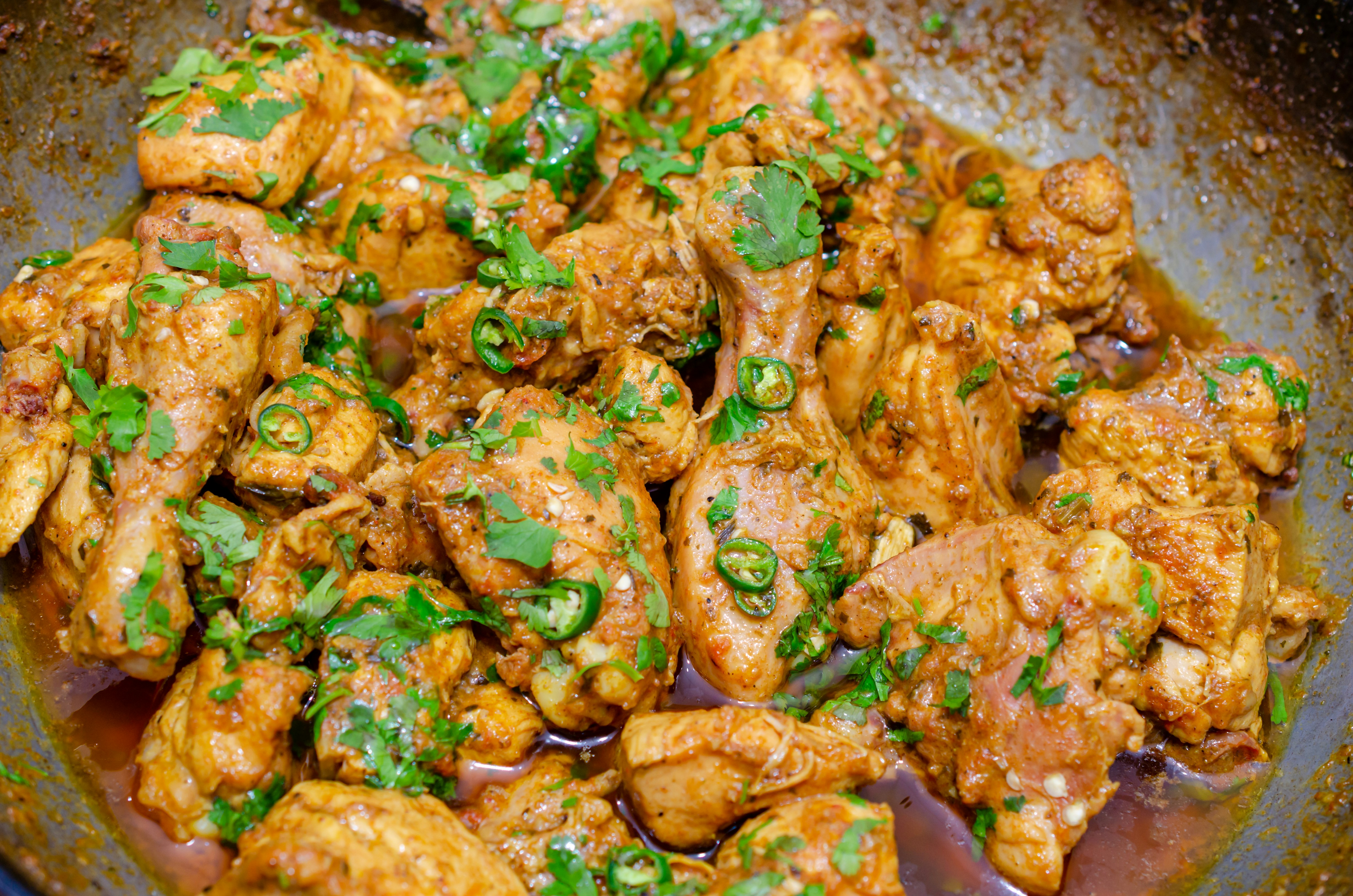
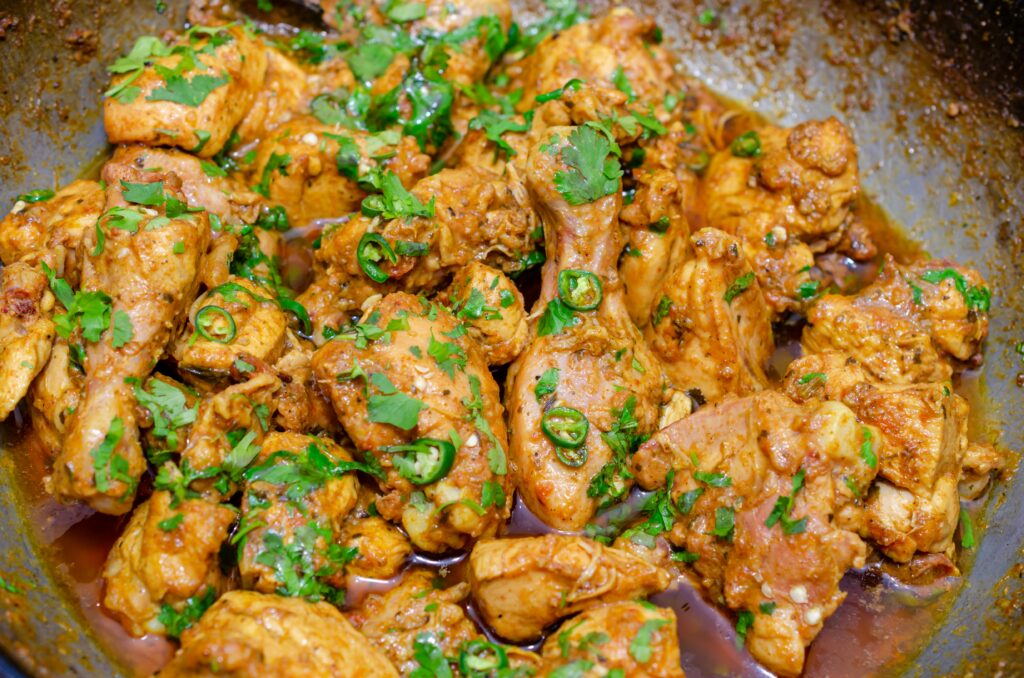
Introduction to Traditional Pakistani Chicken Curry
Pakistani cuisine is a tapestry of flavors, colors, and traditions, where each dish offers a glimpse into the nation’s rich heritage. Among these culinary delights, chicken curry stands out as a quintessential meal, celebrated for its depth of flavor and versatility. It is not merely a dish; it embodies the spirit of Pakistani hospitality and the joy of gathering. Across the diverse regions of Pakistan, the preparation of chicken curry varies, influenced by local spices, cultural practices, and family recipes passed down through generations.
Chicken curry in Pakistan is often the centerpiece of both everyday meals and festive occasions. Whether it is a family gathering, a wedding, or a celebration of religious events, this dish brings people together, creating lasting memories around the dining table. Its aroma fills homes, inviting family and friends to share in the delightful experience of savoring a hearty, home-cooked meal. Additionally, it holds a special place in the hearts of the Pakistani diaspora, serving as a link to their cultural roots, representing memories of home cooking and family traditions.
The power of the chicken curry lies in its adaptability; it can be made in a variety of styles, from mild and creamy to spicy and tangy, catering to a wide range of palates. The combination of tender chicken pieces with a complex interplay of spices results in a dish that is not only satisfying but also nourishing. Furthermore, the popularity of Pakistani chicken curry has transcended borders, finding a place on tables around the world, thus enhancing its reputation as a cherished dish within both local and expatriate communities.
Essential Ingredients for Chicken Curry
To prepare a traditional Pakistani chicken curry, having the right ingredients is crucial for achieving the authentic flavor and aroma characteristic of this dish. The primary component of the curry is, of course, chicken. Preferably, use fresh, bone-in chicken pieces such as thighs or drumsticks, as this not only enhances the taste but also ensures a moist and tender texture once cooked.
In terms of spices, a combination of aromatic spices is essential. The basic spices include cumin seeds, coriander powder, turmeric powder, garam masala, and red chili powder. Each of these spices contributes unique flavors that define Pakistani cuisine. For added depth, you may also consider including freshly ground black pepper and cardamom.
Onions play a pivotal role in the base of the curry; using medium-sized onions that are finely chopped ensures a rich texture. Ideally, they should be sautéed until golden brown before adding other ingredients, which helps deepen the flavor profile. Fresh tomatoes are another vital ingredient, as they provide acidity and sweetness; opt for ripe tomatoes, which should be chopped or blended into a puree.
Herbs such as fresh cilantro (coriander leaves) and green chilies not only enhance the flavor but also add fresh notes to the curry. Be sure to add fresh herbs at the end of cooking to preserve their vibrant taste. Additionally, a pinch of salt is indispensable for seasoning, while yogurt can serve as a wonderful tenderizer, providing creaminess to the curry.
If you find yourself missing any of these essentials, consider using substitutes; for example, dried herbs can replace fresh ones in a pinch, while coconut milk may be used instead of yogurt for a dairy-free option. Ensuring your ingredients are fresh and of high quality is key to crafting the perfect chicken curry, leading to a delightful dining experience.
Preparation Steps: Prepping the Ingredients
Preparing the ingredients for a traditional Pakistani chicken curry is a crucial step that sets the foundation for a rich and flavorful dish. Begin by gathering all the necessary ingredients, including chicken, onions, ginger, garlic, tomatoes, and a variety of spices such as cumin, coriander, turmeric, and garam masala. Measure each spice accurately, as the balance of flavors is essential in achieving the authentic taste of the curry.
Start with the onions, which are essential for the base of the curry. Peel and finely chop the onions. A good rule of thumb is to use about two medium-sized onions for a standard serving of chicken curry. After the onions are prepared, move on to the ginger and garlic, which add a robust flavor to the dish. Peel a thumb-sized piece of ginger and a few cloves of garlic, then mince them finely or use a mortar and pestle to create a paste.
Next, prepare the tomatoes, which will contribute to the curry’s consistency and richness. Remove the skin of the tomatoes, if preferred, and then chop them into small pieces. Fresh tomatoes will provide a natural sweetness that balances the spices well. For chicken marination, if your recipe includes this step, combine the chicken pieces with yogurt, salt, and a pinch of turmeric. This process infuses the chicken with flavor and helps to tenderize it.
Once all ingredients are prepped, arrange them neatly on your workspace. This organization will not only streamline the cooking process but will also reduce the likelihood of missing any vital ingredient, ensuring a smooth and efficient cooking experience. Taking the time to prepare these ingredients accurately will greatly enhance the quality and flavor of the final dish, making your chicken curry a delightful experience for all who partake.
Cooking the Chicken Curry: Step-by-Step Instructions
To begin the process of making a traditional Pakistani chicken curry, it is essential to prepare your ingredients and gathering your utensils ahead of time. This will streamline the cooking process and enhance efficiency. Start by finely chopping two medium-sized onions, which will serve as the base for your curry.
Heat four tablespoons of oil in a deep, heavy-bottomed pot over medium heat. Once the oil is hot, add the chopped onions and sauté them until they turn golden brown. This should take roughly 10 to 15 minutes, depending on the heat intensity. Stir intermittently to prevent the onions from burning and ensure even cooking.
Next, it is time to add the spices. Incorporate two teaspoons of ginger-garlic paste, one teaspoon of red chili powder, half a teaspoon of turmeric, and one teaspoon of coriander powder into the pot. Stir these ingredients together thoroughly, allowing the spices to cook for another 2-3 minutes, which will help release their flavors.
Once the spices have cooked, it is time to add the chicken. Use about 1 kg of skinless chicken pieces, and add them to the pot, stirring well to coat the chicken with the spice mixture. Allow the chicken to cook for approximately 10 minutes on medium heat, stirring occasionally. This will ensure that the chicken retains its moisture and begins to absorb the spice flavors.
At this stage, you can include chopped tomatoes (about two medium-sized) and a teaspoon of salt to taste. Stir these components into the mix and cook for an additional 10 minutes until the tomatoes soften and blend into the sauce. To achieve a rich consistency, you may want to add half a cup of water, depending on your preference for gravy. Reduce the heat to low and cover the pot, allowing the chicken to simmer for 20 to 25 minutes, or until it is tender and fully cooked.
By following these step-by-step instructions, you will develop a chicken curry that is flavorful and authentic. Continuously taste and adjust the seasoning as necessary before serving, ensuring that the dish suits your palates perfectly.
Adjusting Spice Levels and Flavor Profiles
When preparing a traditional Pakistani chicken curry, achieving the desired spice levels and flavor profiles is crucial for enhancing the dish’s overall appeal. Spice levels can vary greatly among individual preferences, thus it is essential to adjust according to your taste. Start with a moderate amount of spices, such as red chili powder or green chilies, and gradually increase them as necessary. For those who prefer milder flavors, consider using Kashmiri chili, which provides a rich color with less heat.
Another important consideration when crafting your chicken curry is the balance of flavors. Acidity can play a vital role in this balance, and incorporating ingredients like lemon juice or yogurt can adjust the flavor profile effectively. Adding a splash of lemon juice towards the end of the cooking process can brighten the dish and cut through the richness. Alternatively, yogurt can be used to create a creamy texture while also introducing tanginess. When incorporating yogurt, do so carefully to prevent curdling; adding it slowly while stirring can help maintain a smooth consistency.
Taste testing is a crucial step in ensuring your chicken curry meets your ideal flavor profile. Throughout the cooking process, sample the curry at various stages to identify if adjustments are needed. This allows you to tailor the spice levels and flavors precisely to your liking. If you find it too spicy, adding more tomatoes or coconut milk can serve to mellow the heat. Conversely, if additional heat is desired, you can introduce more chili or spices gradually. This step-by-step approach aids in perfecting your traditional chicken curry, making it more enjoyable for everyone at the table.
Serving Suggestions for Chicken Curry
When it comes to serving traditional Pakistani chicken curry, there are several delectable accompaniments that elevate the overall dining experience. The most popular choices include naan, basmati rice, and raita, each complementing the rich flavors of the curry in unique ways.
Naan, a fluffy and slightly charred flatbread, is ideal for scooping up the fragrant and spicy chicken curry. Opt for plain naan or variations like garlic naan for a touch of extra flavor. Alternatively, steamed basmati rice serves as a wonderful base to absorb the curry’s sauce. The aromatic rice enhances the meal and balances the heat of the spices, making it an excellent option.
Raita, a cooling yogurt-based condiment, is another essential component of a traditional Pakistani meal. This dish typically includes yogurt, diced cucumbers, chopped mint, and a sprinkle of spices. Incorporating raita alongside chicken curry not only adds a refreshing taste but also helps temper the heat for those who may find the spices a bit too intense. This balance of flavors is a hallmark of Pakistani cuisine.
In terms of presentation, serving chicken curry in a large, decorative bowl makes a striking visual impact. Garnishing the dish with fresh cilantro and a squeeze of lemon juice brightens the flavors and adds an appealing touch. Additionally, placing the naan or rice in separate bowls encourages a communal dining experience, allowing guests to serve themselves according to their preference.
Overall, the combination of soft naan, fluffy basmati rice, and cooling raita, along with thoughtful garnishing and presentation, will undoubtedly enhance the enjoyment of traditional chicken curry. By incorporating these traditional serving suggestions, you create a memorable meal that reflects the rich culinary heritage of Pakistani cuisine.
Storing and Reheating Leftovers
Properly storing and reheating your chicken curry is essential to maintaining its flavor and texture. After preparing the dish, allow it to cool to room temperature before transferring it to an airtight container. For optimal freshness, chicken curry should be stored in the refrigerator if you plan to consume it within a few days. It is advised to consume refrigerated chicken curry within three to four days. For longer storage, consider freezing the curry.
When freezing chicken curry, it is beneficial to use freezer-safe containers or heavy-duty freezer bags. Make sure to remove as much air as possible to prevent freezer burn, which can affect the taste. Properly stored, chicken curry can last up to two to three months in the freezer. Tag the containers with the date of freezing to keep track of their freshness.
When it comes to reheating, there are several methods to consider. You can reheat the curry in a microwave or on the stovetop. If using a microwave, transfer the desired amount of curry into a microwave-safe bowl and cover it loosely to trap steam, which will help in even heating. Heat it in short intervals, stirring in between, until hot throughout.
If you prefer reheating on the stovetop, place the curry in a saucepan over low heat. Stir occasionally to prevent sticking and to promote even heating. If the curry has thickened too much in storage, add a splash of water to restore its desired consistency. Proper reheating not only preserves the flavor but also ensures that chicken curry is safe to eat, as it should reach an internal temperature of 165°F (74°C) before serving.
Common Variations of Pakistani Chicken Curry
Pakistani cuisine is rich and diverse, with chicken curry featuring prominently across various regions. Each area boasts its own unique take on this classic dish, often defined by specific ingredients and cooking techniques. Understanding these regional variations can enhance one’s appreciation of the culinary heritage of Pakistan.
In the Sindh region, for example, Sindhi chicken curry is renowned for its use of savory spices and tangy tastes. One distinctive technique involves the addition of tamarind or raw mango, imparting a delightful tartness that balances the richness of the curry. The Sindhi variant typically includes cumin, coriander, and a range of chili peppers that provide both heat and flavor depth.
Contrastingly, the Punjabi style of chicken curry is often characterized by the use of creamy tomato sauces and the generous incorporation of butter or ghee. This enables the dish to attain a richer, more luxurious texture. Punjabi curries frequently utilize a unique blend of spices known as “garam masala,” which adds warmth and complexity. Another notable element in Punjabi cooking is the addition of kasuri methi (dried fenugreek leaves), enhancing the aroma and taste of the curry.
The Baloch region introduces its own flair, with Balochi chicken curry showcasing earthy spices like black pepper and cinnamon. This variation often relies on simple cooking methods, emphasizing the natural flavor of the ingredients. In this area, one may also find grilled chicken curry, which infuses smokiness to the dish, offering a distinctive twist on traditional preparation methods.
Each of these regional variations embodies the cultural influences and local produce unique to its area. Exploring these differences not only enriches the dining experience but also highlights the profound diversity that exists within Pakistani cuisine.
Conclusion: Embracing Pakistani Culinary Traditions
Traditional Pakistani chicken curry holds a cherished place in the hearts and homes of many families across Pakistan. This dish is more than just a meal; it embodies the essence of Pakistani culture, offering a sensory experience filled with rich flavors and aromas. The careful selection of spices, along with expert cooking techniques passed down through generations, culminates in a vibrant and hearty dish that reflects the diversity of regional influences in Pakistani cuisine.
Through the preparation of chicken curry, families come together to share not only a feast but also stories, laughter, and a sense of belonging. Each family may have its unique variations, which showcases the adaptability and creativity inherent in cooking traditions. This diversity clashes joyfully with the common theme of the essential ingredients—chicken, spices, and family, fostering bonds over a dining table adorned with delicious food.
Moreover, embracing the tradition of making chicken curry at home allows individuals to connect with the culinary heritage of Pakistan. By following the step-by-step recipe, one can not only recreate the authentic flavors but also participate in a beautiful ritual that has transcended generations. The act of cooking serves as a means of preserving cultural identity, sharing flavors that tell a story of community and togetherness.
Therefore, as you embark on your culinary adventure to make traditional Pakistani chicken curry, remember that each spoonful and every spice added carries with it a history rich with familial ties. Encouragingly, this journey into the heart of Pakistani cuisine is accessible to everyone, inviting all to explore and celebrate the vibrant taste and history that this iconic dish represents.