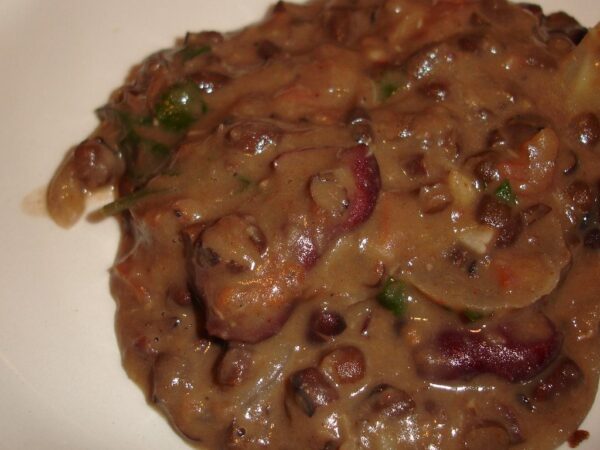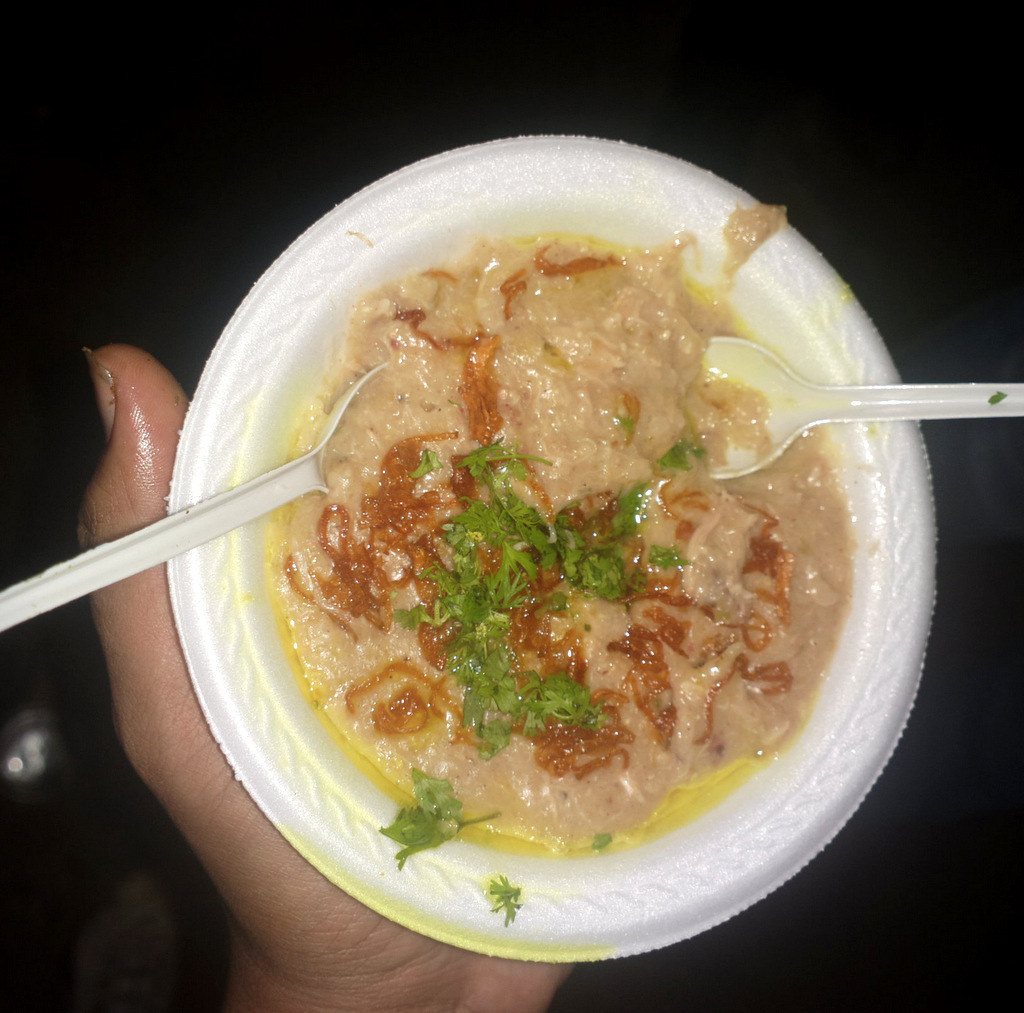
Haleem is one of the most comforting dishes in South Asian cooking, and also one of the most rewarding to make. This haleem recipe slow-cooks beef or mutton until it falls apart, then combines it with whole wheat, barley and a mix of lentils, all beaten together into a thick, stretchy, deeply savoury stew. It is finished at the table with crisp fried onions, ginger, green chillies, mint and a squeeze of lemon.
It does take time, but the process is easy to break into stages. Soak the grains the night before, cook the meat and grains side by side the next day, and bring them together at the end. The result is a big pot that feeds a crowd and tastes even better the following day.
Why Haleem Is Worth the Effort
Haleem is especially loved during Muharram and Ramadan, when big pots are cooked and shared with family, neighbours and the community. Its appeal is easy to understand. It is filling, nourishing and packed with protein from both meat and lentils, while the grains give it a satisfying body. The mix of textures, from silky to slightly coarse, and the bright toppings make every spoonful interesting.
- A complete, hearty meal in one pot
- Freezes very well, so one cooking session gives many meals
- Toppings let everyone adjust their bowl to taste
Haleem, Daleem and Khichra
You will hear these names used across Pakistan and India, sometimes for slightly different dishes. In Pakistan, many people prefer to call it daleem. Khichra is a close relative with chunkier pieces of meat that are not fully shredded. Hyderabadi haleem tends to be smoother, with more wheat and less lentil. This recipe follows the popular Pakistani style, with a fine shred of meat and a generous mix of lentils.
Haleem Recipe: Slow-Cooked Meat, Wheat and Lentil Stew
Pakistani · Main Course · Hard
Ingredients
- 150 g (3/4 cup) whole wheat grains (gandum), soaked overnight
- 50 g (1/4 cup) pearl barley (jau), soaked overnight
- 40 g (3 tbsp) chana dal
- 30 g (2 tbsp) masoor dal (red lentils)
- 30 g (2 tbsp) moong dal
- 30 g (2 tbsp) urad dal (white lentils)
- 30 g (2 tbsp) basmati rice
- 1 tsp turmeric, divided
- 750 g boneless beef or mutton, with a little fat, cut into chunks
- 150 ml (2/3 cup) oil or ghee
- 2 medium onions, thinly sliced (plus 2 more fried, for garnish)
- 1 1/2 tbsp ginger paste
- 1 1/2 tbsp garlic paste
- 2 tsp salt, or to taste
- 2 tsp red chilli powder
- 1 tbsp ground coriander
- 1 tsp ground cumin
- 2 tsp garam masala, divided
- About 2.5-3 litres hot water, as needed
- To serve: fried onions, ginger matchsticks, green chillies, mint, coriander, lemon wedges, chaat masala
Method
- Drain the soaked wheat and barley. Wash the dals and rice together and soak for 1 hour.
- Boil the wheat and barley in 1.5 litres of water with 1/2 tsp turmeric for 1-1.5 hours (or pressure cook 30 minutes) until very soft. Add the drained dals and rice and cook 30-40 minutes more until everything is mushy.
- Meanwhile, heat the oil in a heavy pot and fry the onions until golden. Add the meat and fry on high heat for 5 minutes.
- Add ginger, garlic, salt, chilli powder, coriander, cumin, remaining turmeric and 1 tsp garam masala. Fry for 5 minutes, then add 750 ml hot water, cover and simmer for 1.5-2 hours until the meat shreds easily.
- Shred the meat with two forks or a wooden masher (ghotna), keeping the gravy.
- Blend the cooked grains and lentils to a coarse paste with a stick blender, adding hot water as needed.
- Add the grain mixture to the meat pot and stir well. Cook on low heat for 30-40 minutes, beating vigorously with a wooden spoon or ghotna every few minutes until thick, stretchy and well combined.
- Add the remaining garam masala, adjust salt and add hot water if it is too thick. Serve hot topped with fried onions, ginger, chillies, herbs, lemon and a pinch of chaat masala.
Ingredients and Their Role
- Whole wheat: the backbone of haleem. Soaked and slow-cooked, it gives the signature stretchy, sticky texture. Cracked wheat or bulgur is a quicker substitute.
- Barley: adds body and a mild, nutty taste. Pearl barley is easy to find.
- Lentils: chana, masoor, moong and urad dal each bring different textures and flavours. If you only have two kinds, use chana and masoor.
- Rice: a little rice helps everything bind together.
- Meat: beef is the most common choice in Pakistan, but mutton and chicken also work. Choose cuts with some fat and connective tissue for a richer result.
- Ready-made haleem masala: you can replace the ground spices with 3-4 tablespoons of a good packet mix. Reduce the salt accordingly.
How It Comes Together
Day before: soaking
Soaking the wheat and barley overnight shortens the cooking time and gives a smoother result. Rinse them well first.
Cooking the grains and lentils
Simmer the wheat and barley until they burst and turn soft, then add the dals and rice. Stir often towards the end, as the mixture thickens and can catch on the bottom. A pressure cooker saves a lot of time here.
Cooking the meat
While the grains cook, prepare the meat in a separate pot. Brown the onions, fry the meat with the spices, then simmer it slowly with water until it shreds with no effort. This is the most important part of any haleem recipe, because tough meat will not break down into the fine, stringy texture you want.
Beating it together
This is the traditional and most satisfying step. Combine the blended grains with the shredded meat, then beat the mixture firmly with a wooden spoon or ghotna. As you work, the meat fibres and grains bind together into that thick, stretchy consistency. A stick blender can help, but use short pulses so you keep some texture.
Tips for the Best Haleem
- Always add hot water, never cold, when loosening the haleem.
- Stir from the bottom often in the final stage, as it can scorch easily.
- Fry the garnish onions until crisp and golden, and keep a little of the onion oil to drizzle on top.
- Taste and season at the end. Grains and lentils absorb a lot of salt, so the finished pot often needs a little more than you expect.
- If you are cooking for a crowd, use the widest, heaviest pot you own. A larger surface makes the beating easier and reduces the risk of burning.
- Keep the toppings fresh and generous. The sharpness of lemon and ginger is what balances such a rich, heavy dish.
- For chicken haleem, use bone-in thighs, simmer until cooked through to 74°C (165°F) and tender, then remove the bones before shredding.
Serving and Storage
Serve haleem hot in bowls with the toppings arranged on a big platter. Naan or kulcha is the classic accompaniment, though many people enjoy it on its own with a spoon. Cool leftovers quickly and refrigerate, covered, for up to 3 days, or freeze in portions for up to 3 months. Haleem thickens a lot when chilled; reheat with hot water, stirring, until smooth and piping hot all the way through.
Haleem Questions Answered
Can I make this haleem recipe in a pressure cooker?
Yes. Pressure cook the soaked grains for about 30 minutes, then add the lentils for another 10 minutes. The meat takes about 35-45 minutes for beef. Finish everything in a heavy pot.
Can I skip the soaking?
It is best not to. Unsoaked wheat takes much longer to soften. If you are short on time, use cracked wheat or bulgur, which needs only a short soak.
How do I get the stretchy texture?
Cook the meat until it shreds into fibres, cook the wheat until very soft, and beat the mixture together well. The more you beat, the more it binds.
What is the best way to make it ahead?
Cook the full haleem a day early. Reheat in a heavy pot with hot water, and fry the onions and prepare the garnishes fresh on the day.
Share It Generously
Haleem is a dish meant for sharing. This haleem recipe takes a little planning, but each stage is simple, and the finished pot will feed a houseful. Lay out the fried onions, ginger, chillies and lemon, ladle it out hot and enjoy one of the great comfort foods of the region.