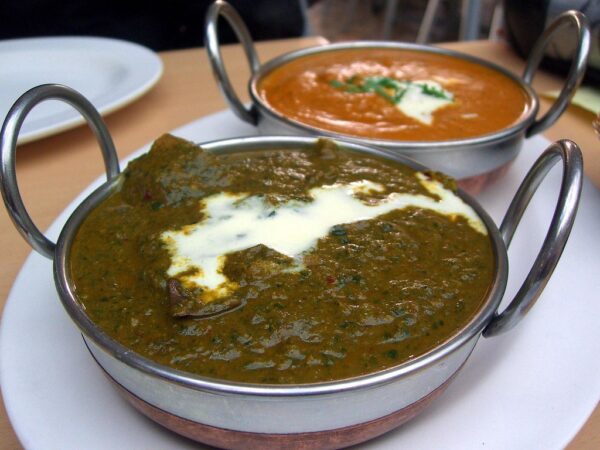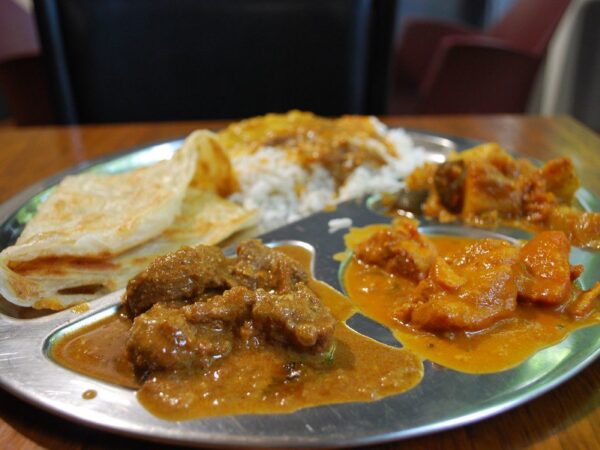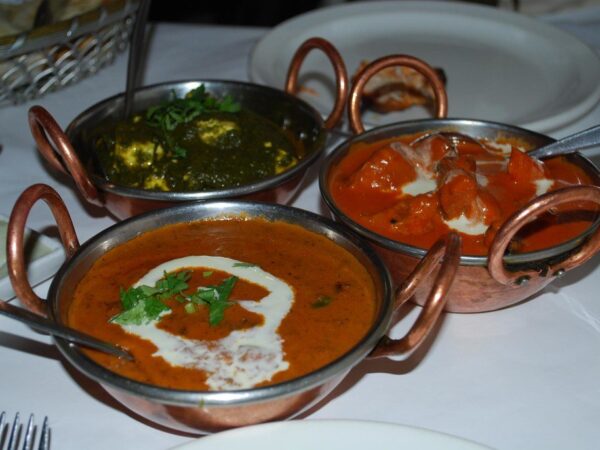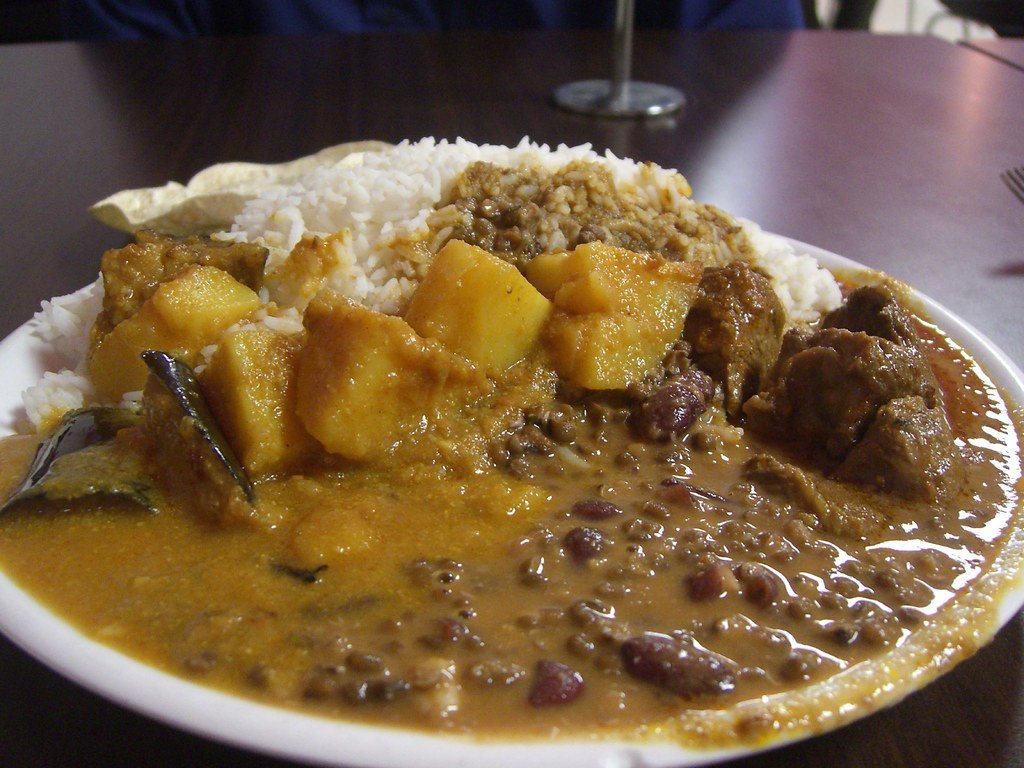
Nihari is a dish that rewards slow, unhurried cooking. This beef nihari recipe simmers shank on the bone for hours in a spiced broth until the meat collapses at the touch of a spoon, then thickens the gravy into something silky and glossy with a layer of fiery red oil on top. Served with fresh ginger, green chillies, coriander and lemon, it is one of the great dishes of Pakistani and Old Delhi cooking.
The heart of this version is a homemade nihari masala. Store-bought spice mixes are convenient, but grinding your own takes only a few minutes and gives a cleaner, more fragrant flavour, with fennel, black cardamom and nutmeg in perfect balance.
Why Make Nihari at Home?
In Karachi, Lahore and Delhi, people queue at famous nihari houses early in the morning. The name comes from the Arabic word for day, nahar, because it was traditionally eaten after the morning prayer. Making it at home means you can control the spice, the oil and the salt, and the long cooking time is almost entirely hands-off. Put it on the stove on a weekend morning and let it bubble quietly while you get on with your day.
- Meltingly tender meat with rich, gelatinous gravy
- A fragrant homemade spice blend you can reuse
- Mostly hands-off cooking
- Even better the next day
Choosing the Right Cut
Shank, known as bong in Urdu, is the classic cut. It is full of connective tissue that breaks down into gelatin during the long simmer, which gives nihari its signature body. Marrow bones, or nalli, add even more richness; scoop the marrow out and stir it into the bowl when serving. Beef chuck works too, but the gravy will be less silky. Lamb or mutton shank can also be used and cooks a little faster.
Beef Nihari Recipe: Slow-Cooked Stew with Homemade Masala
Pakistani · Main Course · Medium
Ingredients
- 1.2 kg beef shank (bong), cut into large pieces, plus 1-2 marrow bones (nalli) if available
- 150 ml (2/3 cup) ghee or oil
- 1 medium onion, thinly sliced
- 1 1/2 tbsp ginger paste
- 1 1/2 tbsp garlic paste
- 1 1/2 tsp salt, or to taste
- 2 tsp Kashmiri chilli powder
- 1 tsp red chilli powder
- 1/2 tsp turmeric
- 2.25 litres (9 cups) hot water
- 50 g (1/3 cup + 1 tbsp) chapati flour (atta) or plain flour, mixed with 250 ml water
- Nihari masala: 2 tsp fennel seeds, 1 tbsp coriander seeds, 1 tsp cumin seeds, 2 black cardamoms, 6 green cardamoms, 8 cloves, 1 tsp black peppercorns, 1 small cinnamon stick, 2 bay leaves, 1/4 nutmeg, 2 blades mace, 1/2 tsp dried ginger powder
- To garnish: fresh ginger matchsticks, sliced green chillies, chopped coriander, lemon wedges, fried onions
Method
- Make the nihari masala: dry-roast the whole spices in a pan for 2 minutes until fragrant, cool, then grind with the ginger powder to a fine powder. You need about 2 1/2 tbsp for this recipe; store the rest airtight.
- Heat the ghee in a large heavy pot. Fry the onion until golden brown, then remove and set aside for garnish, leaving the ghee in the pot.
- Add the beef and bones and fry on high heat for 5-6 minutes. Add ginger and garlic pastes and fry 2 minutes.
- Add salt, both chilli powders, turmeric and 2 1/2 tbsp nihari masala with a splash of water. Fry for 3-4 minutes until fragrant and the oil separates.
- Pour in the hot water, bring to a boil, then cover tightly and simmer on the lowest heat for 3-4 hours, until the meat is falling-apart tender. Add hot water if the level drops too much.
- Stir the flour slurry until smooth, then pour it slowly into the pot while stirring. Simmer on low for 20-25 minutes, stirring often, until the gravy is silky and slightly thick.
- Taste for salt. Skim off some of the red oil from the top and keep it aside for serving.
- Serve in bowls, drizzle with the reserved oil and top with ginger, green chillies, coriander, fried onions and a squeeze of lemon.
Understanding the Ingredients
- Nihari masala: a warm, aromatic blend led by fennel, black cardamom, nutmeg and mace. Roasting the spices before grinding deepens the flavour.
- Kashmiri chilli: gives the deep red colour without making the dish too hot. Ordinary chilli powder adds the heat.
- Ghee: nihari is meant to have a generous layer of oil on top. You can reduce it, but some fat is essential for the flavour and look.
- Atta (chapati flour): thickens the gravy and gives it a smooth, silky texture. Plain flour works the same way.
- Garnishes: they are not optional. Fresh ginger, chillies, coriander and lemon cut through the richness and make every bite lively.
The Cooking Process
Blooming the spices
After browning the onion and searing the meat, the masala is fried in the ghee. This stage, though short, is where the spices release their oils. Add a splash of water so the powders do not scorch, and keep stirring until the smell becomes rich and toasty.
The long simmer
Add plenty of hot water and bring it to a boil. Then turn the heat as low as it will go and cover tightly. A heavy pot helps keep the heat gentle and even. Check every hour, give it a stir and top up with hot water if needed. The beef is ready when it pulls apart easily with a spoon. In a pressure cooker, cook for about 60-75 minutes after it comes to pressure, then let the pressure release naturally.
Thickening the gravy
Whisk the flour and water until there are no lumps, then pour it into the pot in a thin stream while stirring constantly. Keep the heat low and let it simmer for at least 20 minutes to cook out the raw flour taste. The gravy should coat the back of a spoon but still flow easily.
The tarka of red oil
Skim some of the oil that rises to the surface. Some cooks heat it again with a pinch of chilli and nihari masala to make a quick tarka. Spoon it over each bowl just before serving for that classic glossy red finish.
Tips for Perfect Nihari
A few small habits make this beef nihari recipe turn out right every time, whether it is your first attempt or your tenth.
- Use hot water when topping up so the simmer does not stop.
- Do not rush the flour stage; undercooked flour tastes pasty.
- Make the masala in a larger batch and store it in an airtight jar for up to 3 months.
- For a lighter version, chill the cooked nihari overnight and lift off some of the set fat.
- Add a few pieces of brain (maghaz) for a traditional Karachi-style special, if you enjoy it.
Serving, Storing and Reheating
Serve nihari piping hot, ideally in deep, warmed bowls, with khamiri roti, naan or crisp kulcha. Lay the garnishes out on a plate so everyone can add their own. Cooled leftovers keep in the fridge, covered, for up to 3 days and freeze well for up to 3 months. Many families deliberately cook nihari the day before, because the spices soften and blend overnight. The gravy will set firm in the fridge because of the gelatin; this is normal. Reheat gently with a splash of hot water, stirring, until it is piping hot all the way through.
Frequently Asked Questions
Can I use ready-made nihari masala?
Yes. Use about 2-3 tablespoons of a good brand, and reduce the salt and chilli, since many packets include both.
How long does this beef nihari recipe take in a slow cooker?
After frying the meat and masala on the stove, cook on low for 8-9 hours. Thicken with the flour slurry on the hob or with the slow cooker on high for the final 30 minutes.
Why is my gravy lumpy?
The flour was added too quickly or without enough water. Whisk it smooth and pour it slowly while stirring. If lumps form, a quick whisk or a pass through a sieve helps.
Can I make chicken nihari?
Yes. Use bone-in chicken and simmer for about 40 minutes, until tender and cooked through to 74°C (165°F), then thicken as usual.
Worth Every Minute
This beef nihari recipe asks for time rather than skill. Grind your masala, sear the beef, let it simmer slowly and thicken it with care. Top each bowl generously with ginger, chillies and lemon, tear a warm naan and enjoy one of the most satisfying dishes in the South Asian kitchen.