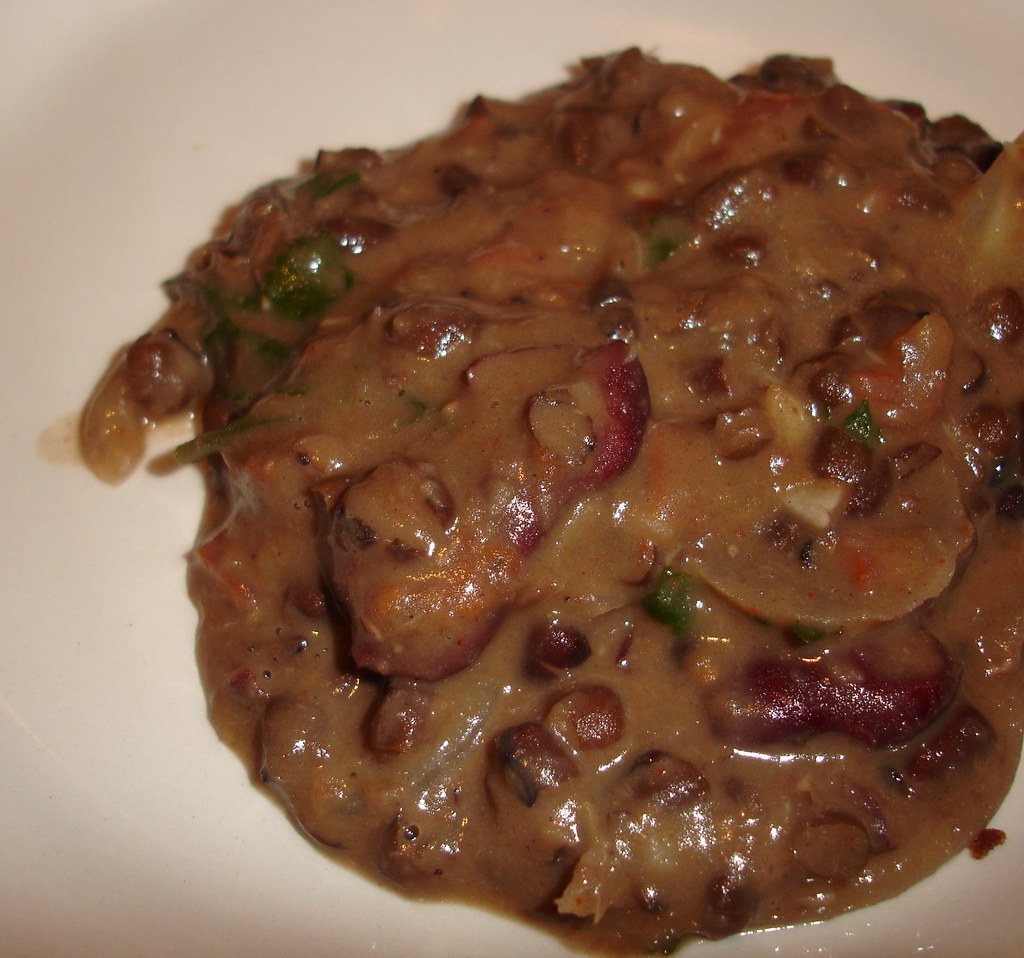
Dal makhani is the richest, most indulgent dal of them all, and this dal makhani recipe shows you how to get that famous velvety texture at home. Whole black lentils and a handful of kidney beans are cooked until soft, then slowly simmered with butter, tomatoes and cream until they melt into a thick, glossy, smoky dal that clings to your naan.
The magic is in the slow simmer. Restaurants and dhabas often leave dal makhani bubbling gently for hours, and while you do not need to go that far, giving it at least 30-45 minutes of low, patient cooking after the lentils are soft transforms the texture from good to unforgettable.
Why This Dal Makhani Works
- Creamy without tons of cream: mashing some of the lentils and simmering slowly creates natural creaminess.
- Deep flavour: a well-cooked tomato and butter masala gives richness and colour.
- Make-ahead friendly: it tastes even better the next day.
- Vegetarian protein: lentils and beans make a satisfying main course.
The Role of Slow Cooking
Whole urad dal has a tough black skin and a creamy white interior. When cooked briefly, the lentils stay separate and the dal tastes thin. When simmered slowly, the starches release into the liquid, the skins soften and everything thickens into a smooth, almost silky mass. Stirring regularly helps this process, as does mashing a portion of the lentils. Think of it like making risotto: time and gentle stirring create the creaminess.
Dal Makhani Recipe: Creamy Black Lentils, Slow-Simmered
Punjabi · Main Course · Medium
Ingredients
- 200 g (1 cup) whole black urad dal (sabut maash), soaked 8-12 hours
- 50 g (1/4 cup) red kidney beans (rajma), soaked 8-12 hours
- 1.5 litres (6 cups) water
- 1 1/4 tsp salt, or to taste
- 60 g (4 tbsp) butter, divided
- 1 tbsp ghee or oil
- 1 tsp cumin seeds
- 1 medium onion, finely chopped
- 1 tbsp ginger paste
- 1 tbsp garlic paste
- 1 green chilli, finely chopped
- 200 g (3/4 cup) tomato purée, or 3 tomatoes blended
- 1 1/2 tsp Kashmiri chilli powder
- 1/2 tsp garam masala
- 1 tsp kasuri methi, crushed
- 100 ml (6-7 tbsp) double cream or heavy cream, plus extra to serve
Method
- Drain and rinse the soaked dal and kidney beans. Cook them in the water with 1 tsp salt: simmer covered for 60-75 minutes, or pressure cook for 25-30 minutes, until completely soft and easily mashed.
- Mash about a quarter of the lentils with the back of a ladle to thicken the dal.
- In a heavy pot, heat 2 tbsp butter with the ghee. Add cumin seeds and let them sizzle for 20 seconds.
- Add the onion and cook 6-8 minutes until golden. Add ginger, garlic and green chilli and cook 1 minute.
- Add the tomato purée, chilli powder and remaining salt. Cook for 8-10 minutes until thick and the butter separates.
- Pour in the cooked lentils with their liquid. Bring to a gentle simmer, then cook uncovered on the lowest heat for 30-45 minutes, stirring every few minutes and adding hot water if it gets too thick.
- Stir in the remaining butter, garam masala, kasuri methi and cream. Simmer for 5 minutes more.
- Serve hot with a swirl of cream and a small piece of butter on top.
Ingredients and Swaps
- Whole black urad dal: also sold as sabut maash or black gram. Do not use split or skinned urad, which gives a completely different dish.
- Kidney beans: they add body and a meaty bite. You can use canned kidney beans; rinse them and add them with the cooked dal.
- Butter: it is in the name, so do not skip it. Unsalted butter lets you control the seasoning.
- Tomato purée: fresh tomatoes blended smooth or passata both work. Cook the purée until it darkens slightly for the best flavour.
- Cream: double cream gives the richest result. For a lighter version, use full-fat milk and a little less butter.
- Kasuri methi: a small amount gives the classic restaurant aroma.
Making It Step by Step
Soak properly
Soak the dal and beans overnight in plenty of water. This shortens cooking time and helps them cook evenly. Kidney beans must be soaked and then boiled thoroughly until soft; raw or undercooked kidney beans contain a natural toxin that is only destroyed by proper boiling. Never cook them in a slow cooker from raw without first boiling them hard for at least 10 minutes.
Cook the lentils until truly soft
The lentils should squash easily between your fingers. If they are still firm, keep cooking; they will not soften much further once the tomato goes in, as acid slows the process. A pressure cooker makes this easier and more reliable.
Build the masala
While the lentils cook, prepare the base. Sizzle cumin in butter and ghee, cook the onion until golden, then add ginger, garlic and chilli. The tomato purée needs a good 8-10 minutes to reduce and lose its raw edge. You will know it is ready when it turns a deeper red and butter shines at the edges.
The slow simmer
Combine the lentils with the masala and turn the heat right down. Stir every few minutes, scraping the bottom, as dal makhani thickens and can stick. Add hot water whenever it looks too thick. After 30-45 minutes the dal will be creamy, glossy and a deep brown-red. Finish with butter, cream, garam masala and kasuri methi.
Tips and Variations
- Smoky dhungar method: heat a small piece of charcoal until glowing, place it in a small steel bowl or foil cup on top of the dal, pour a few drops of ghee over it and cover the pot for 2-3 minutes. Remove the charcoal before serving. Do this only in a well-ventilated kitchen.
- Without onion and garlic: skip both and add a pinch of asafoetida and extra ginger.
- Vegan option: use oil and plant-based butter, and finish with cashew cream or coconut cream.
- Slow cooker: once the lentils and beans have been boiled until soft on the stove, combine with the masala and cook on low for 3-4 hours.
Serving, Storing and Reheating
Serve this dal makhani recipe with butter naan, garlic naan, tandoori roti, laccha paratha or jeera rice. A sliced onion salad with lemon and green chillies, plus some pickle, makes a classic dhaba-style plate. It also pairs beautifully with tandoori chicken or paneer tikka for a bigger meal.
Leftovers keep, covered, in the fridge for up to 4 days and freeze well for up to 3 months. The dal thickens considerably as it cools. Reheat on low heat with a splash of hot water or milk, stirring often, until piping hot. Many cooks deliberately make it a day ahead for the best flavour.
Frequently Asked Questions
Can I make this dal makhani recipe without soaking?
You can, but it will take much longer to cook, and the texture is less even. If you forget, cover the lentils and beans with boiling water for 2 hours as a quick soak.
Why is my dal not creamy?
The lentils were either undercooked or not simmered long enough after combining with the masala. Mash some of the lentils and keep cooking slowly, stirring often.
Is dal makhani the same as maa ki dal?
They are close cousins. Maa ki dal is a simpler Punjabi home-style black dal, often with less butter and cream. Dal makhani is the richer, restaurant-style version.
How much cream should I use?
The amount in this recipe gives a rich but balanced dal. You can reduce it by half and still get a lovely texture from the slow simmer.
Can I use canned black lentils?
Canned whole urad dal is hard to find. Canned black beluga lentils are not the same, but can work in a pinch with a shorter simmer.
A Pot Worth Waiting For
Good dal makhani cannot be rushed, but most of the time is spent simmering while you relax. Follow this dal makhani recipe, give the lentils their slow cook, and finish with butter and cream. You will end up with a bowl of dal so creamy and comforting that it easily becomes the star of the table.