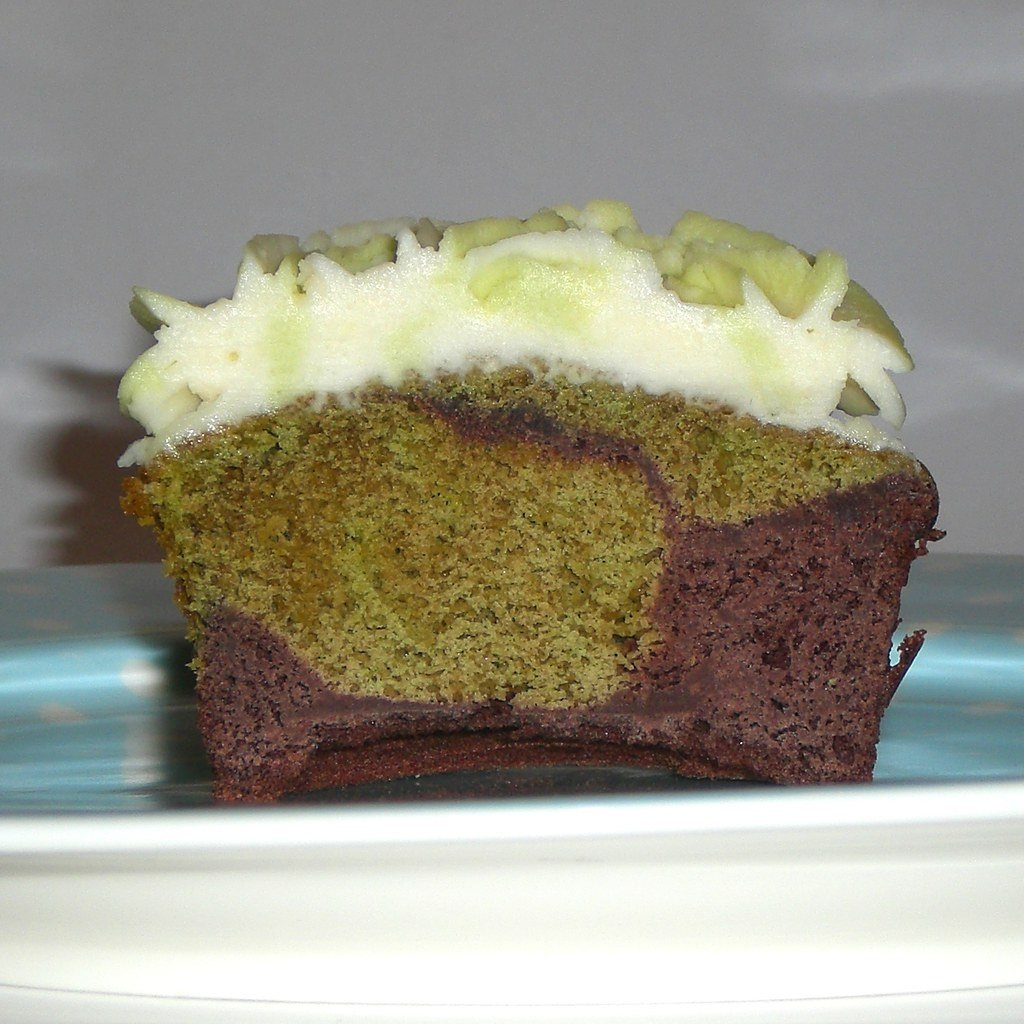
This marble cake recipe makes the kind of loaf that disappears quickly from the tea table: buttery, soft and fine-crumbed, with dramatic ribbons of chocolate running through golden vanilla sponge. Every slice looks a little different, which is part of the fun, and children love finding the darkest chocolate patches.
The beauty of marble cake is that you make one batter and simply flavour part of it with cocoa. There is no separate chocolate cake to mix and no complicated technique. A light touch with the skewer is all it takes to get those clean, distinct swirls instead of a muddy brown cake.
Why Bake This Version
Many marble cakes taste either dry or flat in flavour. This one uses a generous amount of butter for richness and a cocoa paste made with hot water, which blooms the cocoa and gives the chocolate portion a deeper taste. A spoonful of extra sugar in the chocolate batter balances cocoa’s natural bitterness so both flavours taste equally sweet.
- Simple pantry ingredients, nothing hard to find.
- Bold contrast between vanilla and chocolate.
- A sturdy loaf that slices neatly for lunch boxes and guests.
- Stays moist for several days in an airtight tin.
It is a natural partner for doodh patti chai, morning coffee or a glass of cold milk after school.
The Ingredients and Why They Matter
- Butter: gives flavour and the classic pound-cake-like crumb. Soft butter is essential for proper creaming. Baking margarine can be used for a lighter, more budget-friendly cake.
- Caster sugar: creams easily with butter and makes a fine crumb.
- Eggs: provide structure and richness. Use them at room temperature so the batter does not split.
- Cocoa powder: unsweetened cocoa gives the best chocolate flavour. Avoid drinking chocolate, which is mostly sugar and gives a pale, weak swirl.
- Milk: loosens the batter to the right dropping consistency. Buttermilk also works and gives a slightly softer crumb.
- Vanilla: do not skip it; the vanilla portion needs its own flavour to contrast with the chocolate.
Marble Cake Recipe: Soft Vanilla and Chocolate Swirl Loaf
International · Dessert · Easy
Ingredients
- 200 g plain flour (1 2/3 cups)
- 2 tsp baking powder
- 1/4 tsp fine salt
- 170 g unsalted butter, softened (3/4 cup)
- 200 g caster sugar (1 cup)
- 3 large eggs, at room temperature
- 2 tsp vanilla extract
- 120 ml whole milk, at room temperature (1/2 cup)
- 20 g unsweetened cocoa powder (3 tbsp)
- 2 tbsp hot water or milk
- 1 tbsp extra caster sugar, for the chocolate batter
Method
- Heat the oven to 175°C (155°C fan) / 350°F. Grease a 900 g (2 lb) loaf tin and line it with baking paper.
- Whisk the flour, baking powder and salt together.
- Beat the butter and sugar for 3 to 4 minutes until pale and fluffy, then beat in the eggs one at a time and the vanilla.
- Fold in the flour in three additions, alternating with the milk, until smooth.
- Mix the cocoa, extra sugar and hot water into a smooth paste.
- Move just under half of the batter to another bowl and fold in the cocoa paste until evenly brown.
- Drop alternating spoonfuls of vanilla and chocolate batter into the tin, building two or three layers.
- Drag a skewer or knife through the batter in a zigzag, then a few loops, to create swirls. Do not overdo it.
- Bake for 50 to 60 minutes, until a skewer comes out clean. Cool in the tin for 10 minutes, then on a rack.
Getting the Swirl Right
Matching the Batters
Both batters should have a similar thickness. If the chocolate portion is much thicker or thinner, the swirls will either sit in lumps or bleed into the vanilla. The hot water in the cocoa paste keeps the two consistencies close. If your chocolate batter still seems stiff, add a teaspoon of milk.
Layering
Drop large spoonfuls of each batter into the tin like a checkerboard, then add a second layer placing chocolate on top of vanilla and vice versa. This creates the pattern before you even start swirling. Some bakers prefer simply pouring the two batters in alternating stripes, which also works well.
Swirling
Run a skewer or a butter knife down the length of the tin in a zigzag, then make two or three figure-of-eight loops. That is enough. Every extra pass blends the batters further, and too much swirling leaves you with an evenly beige cake. Smooth the top gently with a spatula afterwards.
Baking Tips
- Bake on the middle shelf; loaf cakes need even heat from all sides.
- A crack along the top is normal for a loaf cake and shows it has risen well.
- If the top browns before the centre is cooked, cover loosely with foil for the final 15 minutes.
- Check with a skewer in the thickest part. Chocolate crumbs can hide raw batter, so look carefully for wet streaks.
- Cool fully before slicing for neat, crumb-free pieces.
Fun Variations
Round or Bundt cake: this marble cake recipe fits a 20 cm (8 inch) round tin, baked for 40 to 45 minutes, or can be doubled for a 23 cm (9 inch) Bundt tin, baked for 50 to 60 minutes.
Chocolate glaze: melt 100 g dark chocolate with 80 ml cream and pour over the cooled loaf for a party finish.
Orange marble: add the zest of an orange to the vanilla batter. Orange and chocolate are a classic pair.
Coffee marble: dissolve 1 teaspoon of instant coffee into the cocoa paste for a mocha flavour.
Three-colour cake: split the batter into three portions and tint one pink with a little gel colouring or a spoonful of strawberry powder. Children love this one.
Storage
Wrap the cooled cake in foil or store it in an airtight container at room temperature for up to 4 days. In very hot or humid weather, keep it in the fridge and let slices come to room temperature before eating, because cold butter cakes taste dry. To freeze, wrap the whole cake or individual slices in cling film and freeze for up to 3 months. Thaw at room temperature in the wrapping.
Frequently Asked Questions
Why does my marble cake look muddy inside?
It was swirled too much, or the batters had very different thicknesses. Keep the swirling to a few passes and match the consistencies.
Can I use oil instead of butter?
Yes. Whisk 150 ml neutral oil with the sugar and eggs instead of creaming. The cake will be softer and moister but slightly less rich in flavour.
Can I make this marble cake recipe without eggs?
Replace the 3 eggs with 150 g plain yoghurt and add 1/2 teaspoon of bicarbonate of soda to the flour. The texture will be slightly denser.
Why did my cake turn out dry?
Overbaking or too much flour are the most common reasons. Weigh your flour and start checking the cake 5 minutes before the time given.
Can I use melted chocolate instead of cocoa?
Yes. Fold 60 g melted and slightly cooled dark chocolate into the chocolate portion instead of the cocoa paste. It gives a richer, fudgier swirl.
A Tea-Time Classic
Simple, pretty and endlessly comforting, this marble cake recipe is a great one to learn by heart. Once you have the swirl technique down, you can play with flavours and shapes for years to come.
A good plan for a busy week is to bake the loaf on Sunday, slice it once it has cooled, and keep it in a tin for quick breakfasts and after-school snacks. A thin slice lightly toasted in a dry pan and spread with a little butter is a simple pleasure. It also makes a thoughtful homemade gift when wrapped in baking paper and tied with string for neighbours or friends.