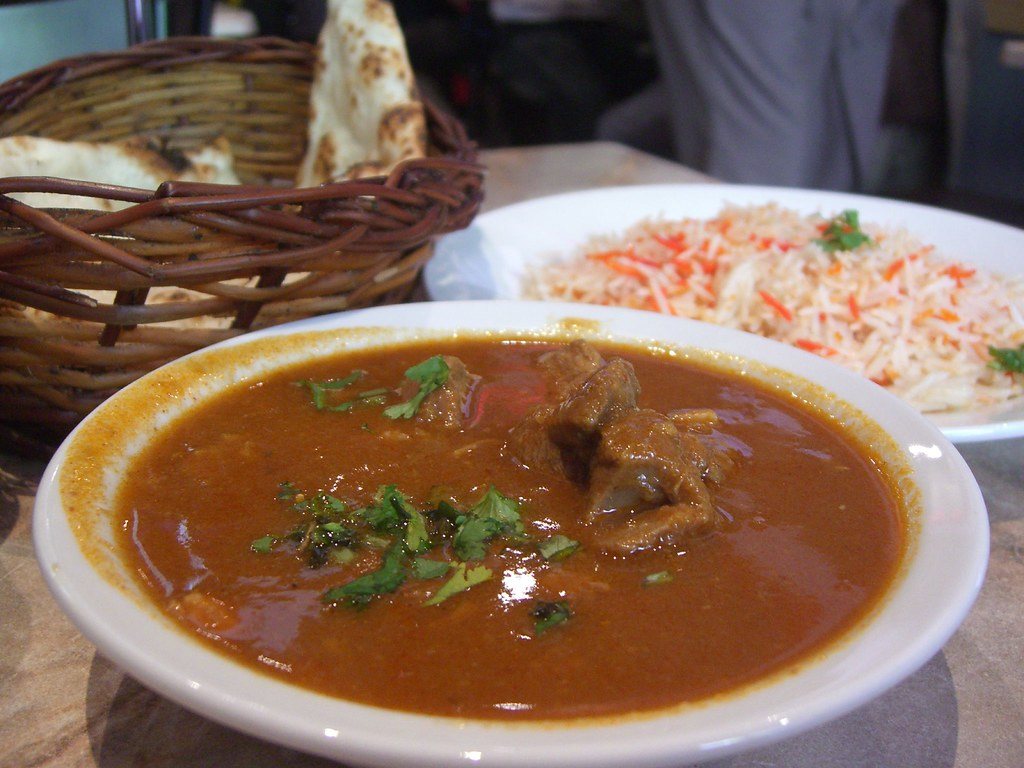
A bowl of paya on a cold morning, with hot naan torn into the glossy, gelatin-rich shorba, is one of the great comforts of Pakistani food. This mutton paya recipe walks you through every stage, from cleaning the trotters to the final tarka, so you get meltingly soft meat that falls away from the bone and a broth that sets like jelly once it cools.
Paya has a reputation for being a weekend project, and honestly it is a slow dish. But the hands-on work is short. The secret to this version is a thorough parboil to remove any odour, a deep bhuna of onions and spices, and then long, gentle cooking, either on the stove or in a pressure cooker if time is tight.
Why This Version Works
Many home cooks find paya intimidating because of the smell during cleaning, or because the trotters stay tough. This method tackles both. Blanching with a little salt and vinegar and discarding that first water leaves the trotters clean-tasting. Cooking the masala until the oil rises before adding water builds a deep, savoury base. Finally, slow simmering over several hours converts the collagen in the trotters into the silky body that makes paya so loved.
You also get options. The stovetop method is traditional and forgiving, while a pressure cooker cuts the time to around ninety minutes with very similar results.
Choosing and Cleaning Trotters
Ask your butcher for mutton or goat trotters that have been singed and cleaned, and ideally cut into two or three pieces each. Beef paya is also popular; it needs longer cooking. Even pre-cleaned trotters benefit from a scrub at home. Use a stiff brush under running water and scrape away any remaining hair with a knife, paying attention to the gaps around the hooves.
Mutton Paya Recipe: Slow-Cooked Trotters Curry, Lahori Style
Pakistani · Main Course · Medium
Ingredients
- 8 mutton (goat) trotters, cleaned and cut into pieces
- 1 tbsp salt plus 2 tbsp vinegar, for parboiling
- 120 ml (1/2 cup) cooking oil
- 3 large onions, thinly sliced
- 2 bay leaves
- 2 black cardamom pods
- 1 cinnamon stick
- 4 cloves
- 2 tbsp ginger garlic paste
- 2 tsp red chilli powder
- 1 tsp turmeric powder
- 2 tsp ground coriander
- 1 tsp ground cumin
- 1 1/2 tsp salt, or to taste
- 120 g (1/2 cup) plain yoghurt, whisked
- 2.5–3 litres hot water
- 1 tbsp atta (wheat flour) mixed with 60 ml water, optional
- 1 tsp garam masala
- Fresh coriander, green chillies, julienned ginger and lemon wedges, to serve
Method
- Scrub the trotters under running water. Boil them in water with 1 tbsp salt and the vinegar for 10 minutes, skimming the foam. Drain, rinse and clean the pot.
- Heat oil in a heavy pot and fry the onions until deep golden brown.
- Add the bay leaves, cardamom, cinnamon and cloves, then the ginger garlic paste, and stir for 1 minute.
- Add the ground spices and salt with a splash of water, then the yoghurt. Cook, stirring, until the oil separates.
- Add the trotters and fry in the masala for 5–7 minutes.
- Pour in hot water to cover well. Bring to a boil, then cover and simmer gently for 5–6 hours, topping up with hot water as needed (or pressure cook 60–75 minutes).
- When the meat falls from the bone, adjust salt and stir in the atta slurry if using. Simmer 10 minutes more.
- Sprinkle with garam masala and garnish with coriander, green chillies, ginger and lemon. Serve hot with naan.
Ingredient Notes
- Trotters: Eight mutton trotters feed about six people. Beef trotters are larger; use four and add roughly an hour of cooking.
- Onions: Fried to a deep brown, they give colour and sweetness to the shorba. Do not let them burn or the broth turns bitter.
- Yoghurt: A little whisked yoghurt adds gentle tang and helps the masala come together. Some families skip it, which is fine.
- Whole spices: Bay leaves, black cardamom, cinnamon and cloves perfume the broth during the long simmer.
- Paya masala: If you prefer, replace the individual ground spices with three tablespoons of a good ready-made paya masala and reduce the salt.
- Atta (optional): A tablespoon of wheat flour mixed into water thickens the broth slightly at the end, a common restaurant trick.
Making Paya, Stage by Stage
The parboil
Place the cleaned trotters in a large pot, cover with water, add a tablespoon of salt and a splash of vinegar and bring to a rolling boil. Let it boil for ten minutes, skimming off the grey foam. Drain, rinse the trotters well and wash the pot. This step makes a real difference to the final aroma.
The bhuna
Heat oil in a heavy pot and fry the sliced onions until a rich golden brown. Add the whole spices, then the ginger and garlic paste. Stir in the ground spices with a splash of water, then the yoghurt, and cook over medium heat, stirring often, until the oil separates. Add the parboiled trotters and fry them in the masala for five to seven minutes so every piece is coated.
The long simmer
Pour in enough hot water to cover the trotters by several centimetres. Bring to a boil, then lower the heat, cover and cook gently for five to six hours, checking every hour and topping up with hot water as needed. The trotters are ready when the meat pulls easily from the bone and the cartilage is soft. In a pressure cooker, cook for about 60 to 75 minutes after it reaches pressure, then release naturally.
Finishing
Skim off excess fat if you like, adjust salt and add the atta slurry if you want a slightly thicker shorba. Simmer for another ten minutes. Sprinkle with garam masala, then top with fresh coriander, sliced green chillies, julienned ginger and lemon wedges.
Tips and Variations
- Cook it the night before. Paya tastes even better the next day, and you can lift off the solidified fat from the top.
- Keep the heat low. A violent boil makes the broth cloudy and can toughen the meat.
- Use hot water for top-ups. Cold water interrupts the cooking.
- Add a tarka. For special occasions, fry sliced garlic and dried red chillies in ghee and pour over just before serving.
- Siri paye: Cook a cleaned goat head alongside the trotters for the classic Lahori breakfast combination.
- Beef paya: Follow the same method with longer simmering, often seven to eight hours on the stove.
Whichever version you choose, this mutton paya recipe rewards patience more than skill.
Serving, Storage and Reheating
Paya is traditionally a breakfast or brunch dish, served with khamiri roti, naan or kulcha for dipping. Offer lemon wedges, chopped onion and green chillies at the table so everyone can adjust their bowl. Some people enjoy it with plain boiled rice.
Cool leftovers quickly and refrigerate for up to three days. The broth will set into a firm jelly, which is a good sign of a well-cooked paya. Reheat slowly on the stove with a splash of water until bubbling hot throughout. Paya also freezes well for up to two months; thaw overnight in the fridge before reheating.
Frequently Asked Questions
How do I remove the smell from trotters?
Scrub them well, then parboil with salt and a little vinegar for ten minutes and throw that water away. Cooking with plenty of ginger, garlic and whole spices takes care of the rest.
Can I make this mutton paya recipe in an Instant Pot?
Yes. Do the bhuna on the saute setting, add water, then pressure cook on high for about 75 minutes and allow a natural release.
Why is my paya broth thin?
It may need more cooking time so the gelatin is fully released, or you may have added too much water. Simmer uncovered to reduce, or stir in an atta slurry.
Are goat and lamb trotters interchangeable?
Yes, both are sold as mutton paya in Pakistan and cook in a similar time. Lamb trotters can be slightly smaller.
How spicy is it?
This version is moderately hot. Reduce the red chilli powder by half for a milder pot and let people add fresh chillies at the table.
Enjoy Your Paya
Slow food at its best, this mutton paya recipe turns a humble cut into something deeply satisfying. Set aside a lazy weekend morning, let the pot do its work, and gather everyone around with fresh naan. It is a dish worth the wait, and once you have mastered it, you will want to make it every winter.