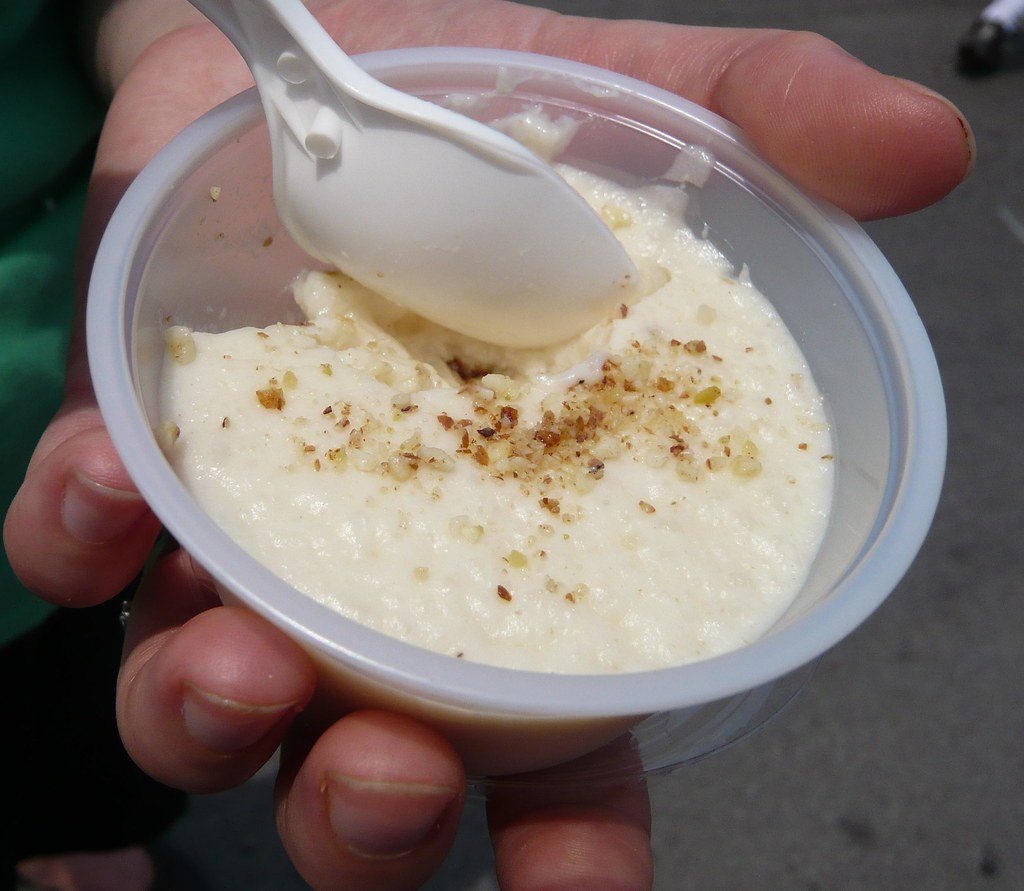
A good kheer recipe is mostly about patience. Rice, full-cream milk and sugar are simmered slowly until the grains break down and the milk turns thick, creamy and lightly caramel in colour. Nothing about it is complicated, but the difference between a thin, milky pudding and a rich, spoon-coating one comes down to heat control and stirring.
This version uses soaked basmati that is lightly crushed, so it releases starch quickly and gives a silky body without needing condensed milk or cornflour. Cardamom, a pinch of saffron and toasted nuts keep the flavour classic, and it tastes just as good warm on a winter night as it does chilled in summer.
Why You’ll Love This Recipe
- Proper creamy texture from reducing real milk, not shortcuts.
- Only a handful of pantry ingredients that most desi kitchens always have.
- Flexible serving – warm, room temperature or ice cold in clay bowls.
- Perfect for occasions like Eid, Muharram niaz, birthdays or a simple Friday treat.
Key Ingredients and Smart Swaps
- Full-cream milk: The fat is what makes kheer luxurious. Low-fat milk works but you will need to reduce it longer and the result is thinner. Avoid UHT skimmed milk entirely.
- Basmati rice: Aromatic and quick to soften. Broken basmati (often sold cheaply as “tota” rice) is ideal. Short-grain rice also works and gives an even creamier pudding.
- Sugar: Add it only after the rice is soft, because sugar slows down how the grains cook. Adjust to taste; some families like it quite sweet, others prefer it mild.
- Green cardamom: Freshly crushed seeds are far more fragrant than ground powder from a packet.
- Saffron and kewra: Both optional. A few saffron threads add colour; a drop or two of kewra water gives that wedding-style aroma. Rose water is a gentle alternative.
- Nuts: Almonds and pistachios are traditional. Soak and peel almonds for a cleaner look, or simply slice them.
Kheer Recipe: Creamy Pakistani Rice Pudding with Cardamom
Pakistani · Dessert · Easy
Ingredients
- 1.5 litres full-cream milk
- 1/4 cup (50 g) basmati rice
- 1/2 cup (100 g) sugar, or to taste
- 5 green cardamom pods, seeds crushed
- A pinch of saffron soaked in 1 tbsp warm milk (optional)
- 1/4 tsp kewra water or rose water (optional)
- 2 tbsp almonds, sliced
- 2 tbsp pistachios, sliced
- 1 tsp ghee (optional)
Method
- Rinse the rice, soak for 30 minutes, then drain and lightly crush the grains.
- Bring the milk to a boil in a large heavy-bottomed pot over medium heat, stirring the base occasionally.
- Add the rice and crushed cardamom, lower the heat and simmer gently.
- Stir every few minutes, scraping the bottom and folding in the cream that forms on top, for 35 to 45 minutes until the rice is very soft and the milk has reduced by about a third.
- Add the sugar and saffron milk and cook for another 10 minutes until the kheer coats the back of a spoon.
- Turn off the heat and stir in the kewra water and most of the nuts.
- Pour into bowls, garnish with the remaining nuts and serve warm, or cool and chill for at least 3 hours.
Step-by-Step Guide
Soak and crush the rice
Rinse the rice until the water runs mostly clear, then soak it for 30 minutes. Drain it and rub the grains between your palms or pulse once or twice in a grinder so they break into smaller pieces. You are not making flour; you just want cracked grains that will dissolve into the milk faster.
Bring the milk to a boil
Use a heavy-bottomed pot that is larger than you think you need, because milk foams up dramatically. Bring it to a boil over medium heat, stirring the bottom now and then. A wooden spoon or flat spatula is best because it scrapes the base properly.
Simmer low and slow
Add the rice and the crushed cardamom, then lower the heat so the milk bubbles gently. This is the stage that needs attention: stir every few minutes, scraping the bottom and sides, and fold the skin that forms on top back into the pot. Those bits of cream add richness. After 35 to 45 minutes the rice should be completely soft and the milk reduced by roughly a third.
Sweeten and finish
Stir in the sugar and the saffron soaked in a spoon of warm milk. The pudding will loosen slightly once the sugar melts, so cook another 10 minutes until it coats the back of the spoon. Turn off the heat, add kewra if using, and fold in most of the nuts, keeping some for garnish.
Tips for the Best Kheer
These small habits make any kheer recipe more reliable, whether you are cooking for two or twenty.
- Do not rush with high heat. Milk scorches quickly and a burnt taste spreads through the whole pot.
- Remember it thickens as it cools. Take it off the heat when it still flows slowly. If it looks like set custard in the pan, it will become stodgy in the fridge.
- Loosen with warm milk. If chilled kheer is too thick, stir in a few spoons of warm milk until it is creamy again.
- Bhunao for depth. For a deeper, nutty flavour, fry the drained rice in a teaspoon of ghee for a minute before adding it to the milk.
- Taste the milk. If your milk is very fresh and sweet, start with less sugar and add more at the end.
Popular Variations
Gur wali kheer: Replace sugar with grated jaggery. Let the kheer cool slightly before adding it, as hot jaggery can sometimes split milk.
Coconut kheer: Swap a quarter of the milk for coconut milk and finish with toasted desiccated coconut.
Sewaiyan-style: Use roasted vermicelli instead of rice for a quicker version that is ready in about 25 minutes.
Rice cooker or pressure cooker: A pressure cooker can soften the rice in milk in a fraction of the time, but watch closely and release pressure slowly to avoid spluttering.
Serving and Storage
When following this kheer recipe for guests, plan ahead: traditionally, it is set in small clay bowls called kunnay or matki, which absorb a little moisture and give a gentle earthy note. Serve it chilled after a heavy biryani or karahi dinner, or warm with puris for a festive breakfast. A sprinkle of edible silver leaf turns it into a special-occasion dessert, while a few rose petals look lovely on a dinner table.
Cool kheer quickly, cover it and refrigerate within two hours of cooking. It keeps well for 3 to 4 days in the fridge. Because it contains milk, do not leave it at room temperature for long periods, especially in hot weather. To serve warm, reheat gently on low heat with a splash of milk, stirring constantly. Freezing is not recommended; the texture turns grainy once thawed.
Frequently Asked Questions
Why is my kheer watery?
Usually it has not been reduced long enough, or the rice was added in too small a quantity. Keep simmering and stirring; it will thicken. Remember that it also firms up as it cools.
Can I make this kheer recipe with leftover cooked rice?
Yes. Mash cooked rice lightly and simmer it in milk for about 20 minutes. The result is quicker, though slightly less silky than starting from raw rice.
Why did my milk curdle?
Milk can split if it is close to its expiry, if jaggery is added while very hot, or if something acidic gets into the pot. Always use fresh milk and add jaggery off the heat.
How much kheer does one litre of milk make?
One and a half litres of milk with a quarter cup of rice makes about six generous bowls once reduced. Double it easily for parties, but use a wide pot so it reduces evenly.
Can I use sugar-free sweeteners?
Heat-stable sweeteners work, but add them at the very end and to taste, as some turn bitter if boiled for a long time.
A Pudding Worth the Wait
Once you have made this kheer recipe a couple of times, you will find your own rhythm with the stirring and know by sight when it is ready. Keep a pot simmering on a quiet afternoon, fill a few bowls with nuts on top, and you will have a dessert that suits every season and every guest.