A jar of homemade garam masala is one of the simplest upgrades you can make in a desi kitchen. Whole spices are gently toasted until they release their oils, then ground fresh into a warm, deeply aromatic powder. The difference compared with a shop-bought packet that has been sitting on a shelf for months is striking, and it takes only about fifteen minutes.
This blend follows a classic Punjabi and Pakistani style: coriander and cumin for body, black pepper for heat, and cardamom, cinnamon, cloves and mace for that rich, sweet fragrance. It is balanced enough to use in everything from chicken karahi and nihari to daal, biryani and simple sabzi.
What Garam Masala Actually Is
Garam masala literally means warm spice mix. The word warm refers to the heating quality these spices are traditionally believed to have, not to chilli heat; in fact most blends contain no chilli at all. There is no single correct formula. Every region, and many families, have their own version. Northern blends tend to be bold and peppery, while some Mughlai versions lean on cardamom, mace and rose petals for perfume.
Unlike a curry powder, garam masala is usually added towards the end of cooking or sprinkled over a finished dish. Its aroma fades with long cooking, so a final pinch gives the dish a fragrant lift.
Why Make Your Own?
- Freshness: ground spices lose their volatile oils over time. Grinding small batches keeps the flavour vivid.
- Control: you choose the balance. Like it more peppery, sweeter or with extra cardamom? Easy.
- Purity: you know exactly what is in the jar, with no fillers or added salt.
- Value: whole spices keep longer than ground ones, so buying them in larger bags wastes less.
How to Make Garam Masala at Home: Fragrant Desi Spice Blend
Pakistani · Spice Blend · Easy
Ingredients
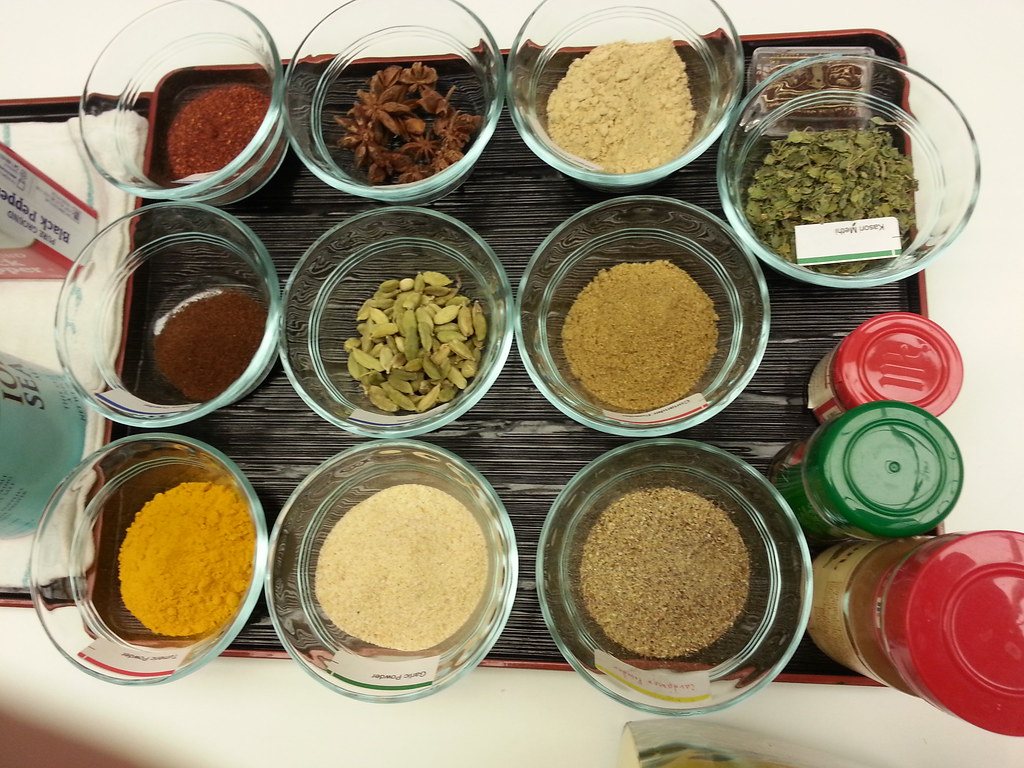
- 3 tbsp (about 20 g) coriander seeds
- 2 tbsp (about 12 g) cumin seeds
- 1 tbsp (about 6 g) black peppercorns
- 1 tbsp (about 6 g) green cardamom pods
- 4-5 black cardamom pods (bari elaichi)
- 1 tsp (about 3 g) cloves
- 2 cinnamon sticks (about 7 cm each), broken into pieces
- 2 dried bay leaves (tej patta)
- 1 tsp fennel seeds (saunf)
- 1 small piece of mace (javitri)
- 1/4 whole nutmeg, freshly grated
- 1 star anise (optional)
Method
- Pick through the whole spices and remove any stones or husks.
- Heat a heavy frying pan over medium-low heat. Add the coriander, cumin, peppercorns, both cardamoms, cloves, cinnamon, bay leaves, fennel, mace and star anise.
- Dry-roast, stirring constantly, for 3-5 minutes until the spices smell fragrant and the cumin turns a shade darker. Do not let them smoke.
- Tip the spices onto a plate and let them cool completely, about 15 minutes.
- Crack open the black cardamom pods and keep only the seeds; discard the husks if you want a finer powder.
- Grind the spices with the grated nutmeg in a spice grinder or clean coffee grinder to a fine powder, in batches if needed.
- Sift through a fine sieve if you like a very smooth masala, regrinding any coarse bits.
- Store in a small airtight glass jar away from heat and light.
Understanding the Spices
| Spice | What it brings |
|---|---|
| Coriander seeds | Mild, citrusy base that bulks out the blend |
| Cumin seeds | Earthy, savoury warmth |
| Black pepper | Sharp heat and bite |
| Green cardamom | Sweet, floral aroma |
| Black cardamom | Smoky, camphor-like depth, typical of Pakistani cooking |
| Cloves | Intense, slightly numbing warmth; use sparingly |
| Cinnamon | Sweet, woody notes |
| Mace and nutmeg | Rich, perfumed flavour loved in Mughlai dishes |
| Bay leaves and fennel | Herbal and gently sweet background notes |
Cassia bark, sold as cinnamon in many South Asian shops, is stronger and more pungent than true Ceylon cinnamon. Both work; use slightly less cassia.
Buy whole spices from a shop with a busy turnover, so they have not been sitting for years. Good cardamom pods are plump and green rather than pale, and fresh cloves release a little oil when pressed with a fingernail.
The Process, Explained
Toast gently
Use a heavy pan over medium-low heat and keep the spices moving. You are not trying to brown them, just to warm them until the aroma fills the kitchen and the cumin darkens slightly. Burnt spices taste bitter and cannot be rescued, so if anything starts to smoke, start again. Some cooks prefer to toast the larger spices first and add cumin and fennel for the final minute, since small seeds catch quickly.
Cool completely
Grinding warm spices releases moisture and oil, which makes the powder clump and spoil faster. Spread them on a plate and wait until they feel cool to the touch.
Grind in short bursts
A dedicated electric spice grinder or a clean coffee grinder works best. Pulse rather than running it continuously, which can heat the motor and the spices. Cinnamon and black cardamom husks are tough, so break the cinnamon into small pieces first. A heavy mortar and pestle also works, though it takes patience.
Sift for smoothness
Sifting is optional but gives a fine, professional texture. Regrind what stays in the sieve, or keep those coarse bits to drop into a pot of rice or tea.
Tweak the balance
Your first batch is a starting point. Smell and taste a tiny pinch of the finished powder. If cloves dominate, reduce them next time; if it feels flat, add another cinnamon stick or a few more green cardamom pods. Many cooks keep notes so that their homemade garam masala becomes a reliable family blend over time. Label the jar with the date as well, so you always know how fresh it is.
Using and Storing Your Masala
Add 1/2 to 1 teaspoon of homemade garam masala per dish serving four, usually in the last few minutes of cooking or as a finishing sprinkle. It is wonderful in karahi, qorma, haleem, keema, chana masala, kebab mixtures and marinades. A pinch in scrambled eggs, roast potatoes or a pan of lentils makes an everyday meal taste special.
Store the powder in a small, airtight glass jar in a cool, dark cupboard, away from the stove. It is at its best for about 3 months and remains usable for up to 6, though it gradually loses fragrance. If you cook with it often, make a fresh batch every month or two. Whole spices keep well for a year or more when stored the same way.
Frequently Asked Questions
Can I make it without toasting the spices?
Yes. Raw-ground garam masala is common in some regions and has a brighter, sharper aroma. Toasting gives a deeper, rounder flavour. Both are authentic.
Can I use ground spices instead of whole?
You can mix pre-ground spices for convenience, but the result will be less fragrant. Do not toast ground spices for long, as they burn very quickly.
Is garam masala spicy?
It is warm and peppery rather than fiery. This blend contains no chilli, so it suits children’s food too when used in moderation.
How is it different from chaat masala?
Chaat masala is tangy and salty, built on dried mango powder and black salt, and is mostly sprinkled on snacks and fruit. Garam masala is warm and aromatic and used mainly in cooked dishes.
Can I make a bigger batch?
You can double the quantities, but small batches stay fresher. A batch this size suits most households for a couple of months.
A Small Effort, a Big Reward
Once you smell freshly ground homemade garam masala, it is hard to return to the shop-bought version. Keep a stock of whole spices, make a small jar every few weeks and adjust the balance until it tastes exactly like home to you.