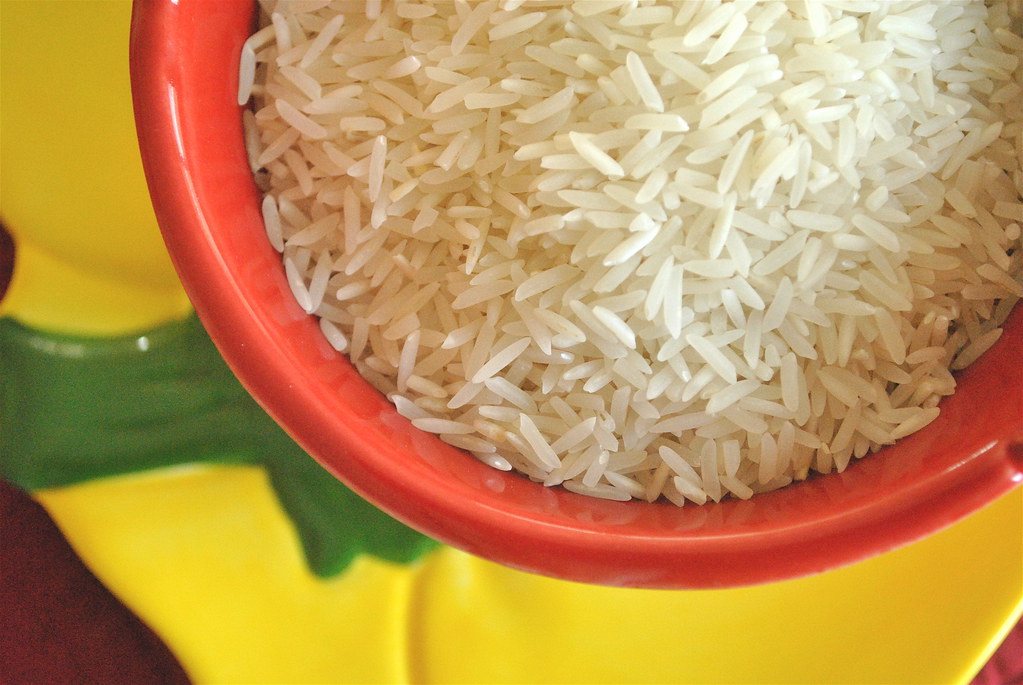
Long, slender, fragrant grains that fall apart from each other on the plate are the hallmark of well-made basmati. Learning how to cook basmati rice properly is one of the most useful kitchen skills you can have, because it sits under curries, daals, kebabs and karahis almost every day in many homes. The good news is that you need no special equipment, just a pan with a tight lid and a little patience.
This guide explains the rinse, soak and steam method that gives fluffy, separate grains, the right water ratio, and how to fix the common problems of sticky, mushy or undercooked rice.
Why This Method Works
Basmati has a lot of loose starch on its surface. Rinsing washes that starch away so the grains do not glue together. Soaking lets water penetrate the grain gently, so it cooks evenly and lengthens beautifully instead of breaking. The absorption method then uses a measured amount of water, so no flavour is poured away, and a final rest lets steam finish the cooking without overcooking the outside. Follow the steps once and you will see the difference immediately. It is the most reliable way to cook basmati rice for everyday meals and for guests.
Choosing and Measuring
Look for packets labelled aged or extra-long-grain basmati. Aged rice has been stored for a year or more, which dries the grain and helps it cook up longer and fluffier. New-crop rice absorbs water differently and tends to turn sticky, so reduce the water slightly if you are using it.
The ratio of rice to water matters most. Measure by weight or with the same cup for both. These are good starting points for soaked rice:
| Method | Rice | Water |
|---|---|---|
| Absorption (pan on hob) | 1 cup | 1 1/4 to 1 1/3 cups |
| Unsoaked, absorption | 1 cup | 1 1/2 cups |
| Rice cooker (soaked) | 1 cup | 1 1/4 cups |
| Boil and drain | 1 cup | 8 cups or more |
Every brand behaves a little differently, so note what works with your favourite rice and stick with it.
How to Cook Perfect Basmati Rice: Fluffy Grains Every Time
Pakistani · Side Dish · Easy
Ingredients
- 300 g (1 1/2 cups) aged basmati rice
- 450 ml (just under 2 cups) water for cooking, plus extra for rinsing and soaking
- 1 tsp salt
- 1 tsp ghee, butter or oil (optional)
- 1 small bay leaf or 2 green cardamom pods (optional)
- A few drops of lemon juice (optional)
Method
- Put the rice in a bowl, cover with cold water and swirl gently with your fingers. Pour off the cloudy water. Repeat 4-5 times until the water is almost clear.
- Cover the rinsed rice with fresh cold water and leave it to soak for 30 minutes. Drain well in a sieve for 5 minutes.
- In a heavy-based pan with a tight-fitting lid, bring 450 ml water to a boil with the salt, ghee, bay leaf or cardamom and lemon juice.
- Add the drained rice, stir gently once and return to the boil. Cook uncovered on medium-high heat for 3-4 minutes until most of the water has been absorbed and small holes appear on the surface.
- Turn the heat to the lowest setting, cover tightly (wrap the lid in a clean tea towel if it is loose) and cook for 10 minutes without lifting the lid.
- Turn off the heat and leave the pan covered for 5-10 minutes to let the rice finish steaming.
- Remove the whole spices and fluff the rice gently with a fork, lifting from the sides rather than stirring. Serve hot.
The Process, Stage by Stage
Rinse until clear
Swirl the rice gently with your fingertips in a bowl of cold water, then pour the water away. Do not rub hard, as basmati is delicate and breaks easily. Four or five rinses are usually enough. The water does not need to be crystal clear, just much less milky than at the start.
Soak for 30 minutes
Cover the rice with fresh water and leave it. During this time the grains turn opaque white and soften slightly. Twenty to thirty minutes is ideal; longer than an hour can make the grains too fragile. Drain thoroughly, because extra water clinging to the rice upsets your ratio.
Boil, then steam
Bring salted water to a rolling boil before adding the rice. Cook uncovered until the water level drops below the surface of the rice and small steam holes appear. Then lower the heat as far as it goes, cover tightly and leave it alone. Steam does the rest. Lifting the lid lets that steam escape and gives you hard grains on top and soggy ones below.
Rest and fluff
Resting off the heat lets moisture spread evenly through the pan. When you fluff the rice, use a fork and lift gently from the edges. Stirring with a spoon breaks the grains and makes them sticky.
The Boil-and-Drain Alternative
Many Pakistani cooks use this method, especially for biryani, because it is forgiving and gives very separate grains. Bring a large pot of generously salted water to a boil, add the soaked rice and cook for 6 to 8 minutes until the grain is just tender with a slight bite in the centre. Drain in a colander, return to the pot, cover tightly and steam on the lowest heat for 5 minutes. For biryani, drain it a little earlier, when the rice is about 70 per cent cooked, as it will finish cooking with the meat. The trade-off is that some aroma and nutrients are drained away with the water.
Troubleshooting Common Problems
- Sticky or mushy rice: too much water, not enough rinsing, or stirring during cooking. Reduce the water a little next time and keep the spoon out of the pot.
- Hard or crunchy grains: not enough water, a loose lid or heat that was too low at the boiling stage. Sprinkle 2 to 3 tablespoons of hot water over the rice, cover and steam for 5 more minutes.
- Burnt bottom: the heat was too high during steaming. A heavy pan or a flat tawa placed under the pot helps spread the heat.
- Broken grains: rough rinsing, soaking too long or vigorous stirring.
- Bland rice: season the cooking water well. It should taste lightly salty.
Flavouring and Storing Your Rice
When you cook basmati rice plainly, it is perfect for curries, but simple additions turn it into a side dish of its own. Fry a teaspoon of cumin seeds in ghee before adding the water for jeera rice. Add a cinnamon stick, cloves and cardamom for a lightly spiced pulao base, or stir in a pinch of saffron soaked in warm milk after cooking. A squeeze of lemon in the water keeps the grains extra white and separate.
Cooked rice must be handled carefully. Cool leftovers quickly, ideally within an hour, then refrigerate in a covered container and use within a day or two. Reheat until steaming hot throughout, and only reheat it once. Rice freezes well in portions for up to a month.
Frequently Asked Questions
Do I really need to soak basmati?
It is not essential, but it gives longer, more even grains. If you skip soaking, use slightly more water and add a few minutes to the steaming time.
Can I cook basmati rice in a rice cooker?
Yes. Rinse and soak as usual, use slightly less water than the cooker markings suggest for basmati, and let it rest for 10 minutes after the cooker switches to warm.
Why add oil or ghee?
A small amount coats the grains, adds flavour and helps keep them separate. It is optional.
How much rice per person?
Allow about 75 g (a scant half cup) of uncooked rice per adult as a side dish, or up to 100 g for big appetites.
Final Thoughts
Once you know how to cook basmati rice the right way, it becomes second nature: rinse, soak, measure, boil, steam and rest. Stick with one brand, adjust the water to suit it, and you will be serving fluffy, fragrant, perfectly separate grains with every meal.