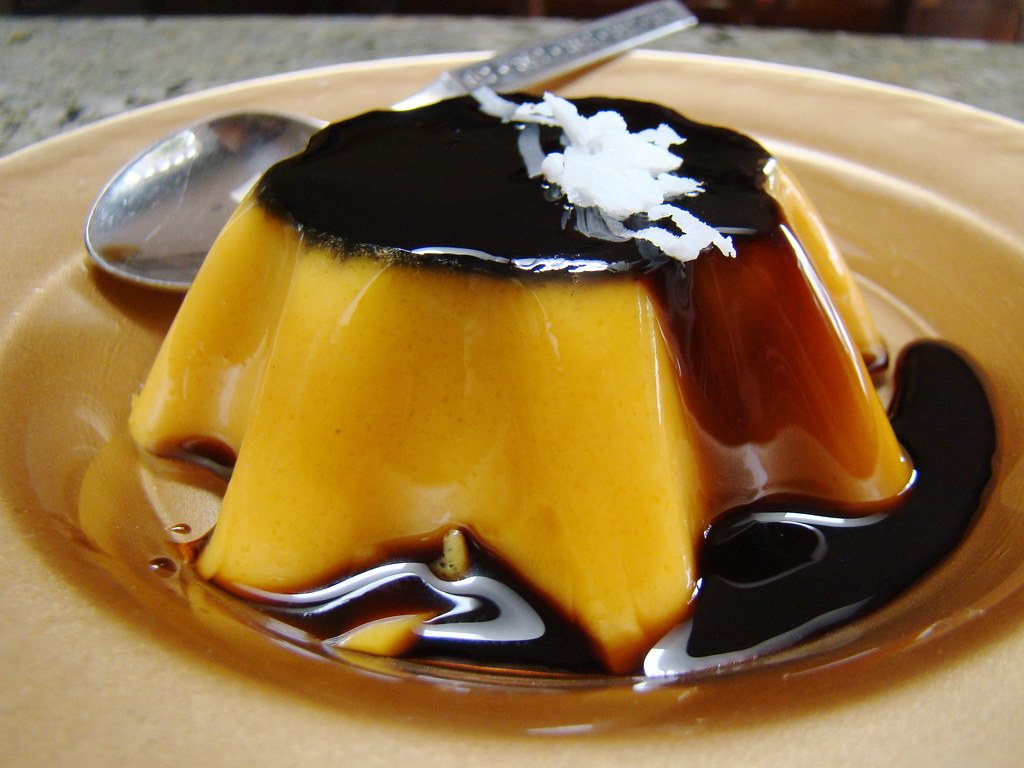
A perfect caramel custard slides out of its mould in one glossy piece, shiny amber sauce running down its sides. This caramel custard recipe, also known as flan or crème caramel, uses just eggs, milk, sugar and vanilla, yet it never fails to impress when it lands on the table.
The goal is a custard that is smooth and dense with no holes, sitting under a caramel that tastes rich and slightly bittersweet rather than burnt. This method gives you both, with step-by-step guidance on making the caramel without fear, and baking or steaming the custard so it sets silky every time.
Why You Will Make This Again and Again
Caramel custard has been a favourite in Pakistani homes for decades, often made in a steel pudding mould on the stove. It is loved in Spain, the Philippines, Latin America and across the Middle East too, each with its own twist. The reasons are clear: it is affordable, it is made from ingredients that are always in the kitchen, and it can be prepared a day in advance.
This recipe also gives you two cooking options, oven or stovetop steaming, so it works whether or not you have an oven.
About the Ingredients
- Sugar for the caramel: Plain white sugar is best; it is easy to see the colour change and less likely to burn than brown sugar.
- Eggs: Whole eggs plus an extra yolk give a firm enough set to unmould cleanly, with a rich, creamy texture.
- Milk: Full-cream milk is essential. For an extra-rich, Latin-style flan, replace part of the milk with condensed milk and evaporated milk (see variations).
- Sugar for the custard: Kept moderate because the caramel adds sweetness.
- Vanilla: Good vanilla extract is all you need. A tiny pinch of cardamom is a lovely desi addition.
Caramel Custard Recipe: Silky Flan with Golden Caramel Sauce
International · Dessert · Medium
Ingredients
- 1/2 cup (100 g) sugar for the caramel
- 2 tbsp water
- 500 ml full-cream milk
- 4 large eggs plus 1 egg yolk
- 1/3 cup (65 g) sugar for the custard
- 1 1/2 tsp vanilla extract
- A pinch of ground cardamom (optional)
Method
- Heat the sugar and water in a heavy pan over medium heat without stirring until it turns deep amber, then pour into a 1-litre mould or 6 ramekins and tilt to coat the base.
- Warm the milk until steaming, then cool for a few minutes.
- Gently whisk the eggs, yolk, sugar and vanilla, then slowly whisk in the warm milk.
- Strain the custard and pour it over the set caramel; tap to release bubbles.
- Bake in a water bath at 160°C (320°F) for 45 to 55 minutes (30 to 35 for ramekins), or cover and steam on very low heat for 35 to 45 minutes, until set with a gentle wobble in the centre.
- Cool, then refrigerate for at least 4 hours or overnight.
- Run a knife around the edge, invert onto a deep plate and serve with the caramel sauce.
The Method, Explained
Making the caramel
Put the sugar in a heavy pan over medium heat with a couple of spoons of water. Let it melt without stirring, swirling the pan gently once it starts colouring at the edges. Watch closely: it goes from pale gold to deep amber in under a minute. When it reaches the colour of strong tea, pour it immediately into your mould or ramekins and tilt to coat the base. Be careful, as molten sugar is extremely hot. The caramel will harden quickly, which is exactly what you want.
Mixing the custard
Warm the milk until just steaming, then let it cool for a few minutes. Whisk the eggs, extra yolk, sugar and vanilla gently until combined, avoiding a lot of foam. Pour in the warm milk slowly, whisking as you go. Strain the mixture through a fine sieve into a jug. This removes bits of egg white and gives a smoother result.
Baking in the oven
Pour the custard over the set caramel. Place the mould in a deep tray and add hot water to come halfway up its sides. Bake at 160°C (320°F) for 45 to 55 minutes for one large mould, or 30 to 35 minutes for ramekins, until the edges are set and the centre wobbles gently.
Steaming on the stove
No oven? Cover the mould tightly with foil or a lid, place it on a trivet or upturned plate in a large pot, and add water to come a third of the way up. Cover the pot and steam on very low heat for 35 to 45 minutes. Keep the water at a gentle simmer, never a rolling boil, to avoid a bubbly texture.
Chilling and unmoulding
Cool, then refrigerate for at least 4 hours, ideally overnight. To serve, run a thin knife around the edge, place a deep plate on top, and flip confidently. Give it a moment and the custard will release with its caramel sauce.
Tips for a Smooth, Hole-Free Custard
- Keep the heat gentle. High heat creates tiny holes and a spongy texture. A low oven and water bath are your friends.
- Do not whisk vigorously. Air bubbles rise and leave pockmarks on the surface.
- Strain the custard. It takes a minute and makes a real difference.
- Tap out bubbles by tapping the filled mould gently on the counter before baking.
- Let it chill fully. A warm custard is fragile and may crack when unmoulded.
Small as they seem, these habits are what make this caramel custard recipe look professional.
Variations
Leche flan style: Use 1 tin condensed milk, 1 tin evaporated milk and 5 egg yolks plus 1 whole egg for a dense, ultra-rich custard.
Coffee caramel custard: Dissolve a teaspoon of instant coffee in the warm milk.
Coconut flan: Replace half the milk with coconut milk and add a little desiccated coconut.
Bread caramel pudding: Blend two slices of bread into the custard for a firmer, budget-friendly version that is popular in many South Asian homes.
Storage and Serving
Caramel custard keeps covered in the fridge for up to 3 days and the caramel actually becomes runnier and more saucy over time. Serve it cold, in slices or individual ramekins, with plenty of caramel spooned over. Fresh berries or a little whipped cream are optional extras. Do not freeze it, as the texture turns watery. Always keep egg-based desserts refrigerated.
Frequently Asked Questions
Why did my caramel turn hard and stay stuck to the mould?
Some caramel always stays behind. Let the mould sit for 5 minutes after unmoulding, or set the empty mould in hot water to melt the rest and pour it over.
Why does my caramel custard have holes?
It was cooked at too high a temperature or the custard was over-whisked. Lower the heat and stir gently.
Can I make this caramel custard recipe with less sugar?
Yes, you can reduce the sugar in the custard by a third. Keep the caramel amount, since it forms the sauce.
How do I know when it is done?
The edges look set and the centre wobbles like jelly. A knife inserted halfway between edge and centre should come out clean.
Sweet Endings
With a little care at the caramel stage and gentle heat for the custard, this caramel custard recipe becomes a dependable showstopper for Eid, birthdays and Sunday lunches alike.