Learning how to marinate chicken properly is one of the easiest ways to improve your everyday cooking. A good marinade seasons the meat, keeps it juicy over high heat and adds layers of flavour, whether you are making tikka, a grilled salad topping or a simple Sunday roast.
This guide explains the basic formula behind every great marinade, how long to marinate different cuts, the food safety rules to follow, and four reliable marinades you can mix in minutes. The yoghurt and spice marinade in the recipe card is a perfect all-rounder to start with.
What a Marinade Actually Does
A marinade works mostly on the surface of the meat. Salt is the ingredient that travels deepest, seasoning the chicken and helping it hold onto moisture as it cooks. Acids such as lemon juice, vinegar and yoghurt soften the outer layer, while oil carries fat-soluble flavours from spices, garlic and herbs. Sugar or honey helps the surface brown and caramelise. Understanding these roles is the real key to knowing how to marinate chicken well, because it lets you fix a marinade that tastes flat or too sharp before the meat ever goes in.
Yoghurt is especially good for chicken. Its mild acidity tenderises gently, and it clings to the meat, giving the spices something to stick to. That is why it is used in so many South Asian dishes, from tikka to biryani.
The Basic Marinade Formula
Most marinades follow a simple pattern. Once you know it, you can create your own with whatever is in your kitchen.
- Acid: about 1 to 2 tablespoons of lemon juice, lime juice or vinegar, or ½ to ⅔ cup of yoghurt, per 500 to 750 g of chicken.
- Oil: 1 to 3 tablespoons to carry flavour and prevent sticking.
- Salt: about 1 teaspoon of fine salt per 500 to 750 g. Soy sauce or fish sauce can replace some of the salt.
- Aromatics: garlic, ginger, onion, green chilli or fresh herbs.
- Spices: ground or crushed spices for flavour and colour.
- Sweetness (optional): a little honey, sugar or jaggery for browning.
How to Marinate Chicken: Times, Ratios and 4 Easy Marinades
Pakistani · Main Course · Easy
Ingredients
- 750 g boneless chicken thighs or 1 kg bone-in chicken pieces
- 150 g (⅔ cup) thick plain yoghurt
- 1 tbsp ginger-garlic paste
- 1 tbsp lemon juice
- 2 tbsp oil
- 1 tsp salt
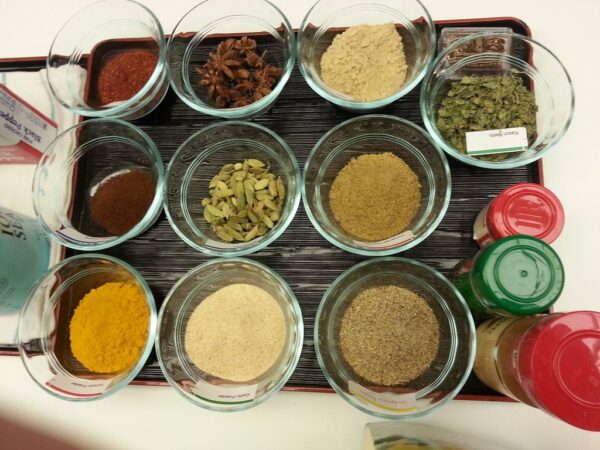
- 1 tsp Kashmiri or regular red chilli powder
- 1 tsp ground cumin
- 1 tsp ground coriander
- ½ tsp garam masala
- ¼ tsp turmeric
- ½ tsp black pepper
Method
- Pat the chicken dry with kitchen paper. For bone-in pieces or thick fillets, make 2 or 3 shallow cuts in each piece.
- In a large bowl, mix the yoghurt, ginger-garlic paste, lemon juice, oil, salt and all the spices into a smooth paste.
- Add the chicken and rub the marinade in well so every piece is coated, including inside the cuts.
- Cover the bowl (or seal in a zip bag with the air pressed out) and refrigerate for at least 2 hours and up to 12 hours.
- Take the chicken out of the fridge 15 to 20 minutes before cooking. Wipe off excess marinade so it browns rather than steams.
- Grill, bake at 220°C (200°C fan, 425°F) or pan-fry until browned and the thickest part reaches 74°C (165°F), about 15 to 25 minutes depending on the cut.
- Discard any leftover raw marinade, or boil it for at least 1 minute before using it as a sauce.
- Rest the chicken for 5 minutes before serving.
How to Marinate Chicken, Step by Step
Prepare the chicken
Pat the pieces dry so the marinade sticks rather than sliding off in water. Cut large pieces into even sizes so they marinate and cook at the same rate. Shallow slashes in bone-in pieces and thick breasts help flavour reach further and speed up cooking. Remove skin if you want the spices to sit directly on the meat.
Mix and coat
Always mix the marinade in a separate bowl first, then add the chicken. Massage it in with clean hands or a spoon. A zip-top bag is very handy: it needs less marinade, coats every surface and takes up little space in the fridge.
Marinate in the fridge
Raw chicken must always marinate in the refrigerator, at 5°C (41°F) or below, never on the counter. Use a glass, ceramic or food-safe plastic container, as acidic marinades can react with aluminium and some metals.
Cook it well
Let the chicken sit out for 15 to 20 minutes while the grill or oven heats. Shake off excess marinade, especially sugary ones, which burn easily. Cook until the thickest part reaches 74°C (165°F). An instant-read thermometer is the most reliable way to check.
How Long Should You Marinate Chicken?
| Cut | Acidic marinade (lemon, vinegar) | Yoghurt or oil-based marinade |
|---|---|---|
| Small cubes or strips | 30 minutes to 2 hours | 1 to 8 hours |
| Boneless breasts or thighs | 1 to 4 hours | 2 to 12 hours |
| Bone-in pieces and drumsticks | 2 to 6 hours | 4 to 24 hours |
| Whole chicken | 4 to 8 hours | 12 to 24 hours |
Longer is not always better. Very acidic marinades left too long can make the surface mushy or chalky. If you only have 30 minutes, a well-salted marinade will still make a noticeable difference.
Four Easy Marinades to Try
Each of these is enough for about 750 g of chicken.
- Classic tikka: the yoghurt marinade in the recipe card, with a pinch of kasuri methi for a restaurant-style aroma. Great for grilling, baking or skewers.
- Lemon, garlic and herb: 3 tbsp olive oil, juice and zest of 1 lemon, 3 crushed garlic cloves, 1 tsp dried oregano or a handful of chopped parsley, 1 tsp salt and ½ tsp black pepper. Ideal for salads and wraps.
- Honey soy garlic: 3 tbsp soy sauce, 2 tbsp honey, 1 tbsp oil, 1 tbsp vinegar, 3 garlic cloves, 1 tsp grated ginger and a pinch of chilli flakes. Perfect for stir-fries and air-fried wings.
- Peri peri style: 3 tbsp oil, 2 tbsp lemon juice, 1 tbsp paprika, 1 to 2 tsp chilli flakes, 1 tsp dried oregano, 3 garlic cloves, 1 tsp salt and 1 tsp sugar. Excellent for grilled or barbecue chicken.
Food Safety and Common Mistakes
- Never reuse marinade that touched raw chicken unless you boil it for at least a minute.
- Set aside a portion of fresh marinade before adding the chicken if you want a basting or dipping sauce.
- Wash hands, boards and utensils in hot soapy water after handling raw chicken.
- Do not over-salt. Taste the marinade before adding the chicken; it should taste well seasoned, not harsh.
- Marinated raw chicken can be frozen in its marinade for up to 3 months. Thaw it in the fridge overnight, not at room temperature.
Frequently Asked Questions
Should I marinate chicken overnight?
For yoghurt or oil-based marinades, overnight is ideal for bone-in pieces and thighs. For very acidic marinades, a few hours is enough.
Does marinating make chicken tender?
It helps, mainly through salt and gentle acids such as yoghurt. Choosing the right cut and not overcooking make the biggest difference to tenderness.
Can I marinate frozen chicken?
Thaw it in the fridge first. Frozen chicken will not absorb flavour evenly, and thawing on the counter is unsafe.
Is it necessary to cut slits in the chicken?
It is not essential, but slits help flavour reach deeper into thick pieces and help them cook more evenly.
In Summary
Now that you know how to marinate chicken with the right balance of salt, acid, oil and spice, you can turn plain chicken into something special with very little effort. Start with the yoghurt marinade, try the others, and soon you will be creating your own favourites.