A good beef lasagna recipe is really three simple things done properly: a deep, thick meat sauce, a smooth bechamel that is neither gluey nor runny, and pasta that cooks through in the oven without going soft. Get those right and you have a dish that stands tall on the plate, slices cleanly, and tastes like it took all day, even though most of the time is hands-off simmering.
This version leans on the classic Italian-American style that most families know, with a slow-cooked beef ragu and a proper white sauce instead of ricotta. The bechamel keeps every layer moist, the Parmesan on top bakes into a crisp lid, and the whole thing can be assembled a day ahead, which makes it ideal for weekend lunches, Eid gatherings or a freezer meal.
Why You’ll Love This Recipe
- Proper layers. The sauces are cooked thick so the slices hold their shape instead of sliding apart.
- No boiling the pasta. Dried sheets go in straight from the box and soften in the sauce while baking.
- Make-ahead friendly. Assemble the night before, refrigerate, and bake when guests arrive.
- Feeds a crowd. One standard dish gives eight generous portions.
Key Ingredients and Smart Swaps
- Beef mince: Choose mince with around 15 to 20 percent fat. Very lean mince turns dry and grainy after the long bake. Halal beef works perfectly; lamb mince or a half-and-half mix also makes a lovely, richer sauce.
- Soffritto: Onion, carrot and celery cooked slowly give the sauce its sweet, savoury base. If you cannot find celery, simply leave it out and add a little extra carrot.
- Tomatoes: Good canned crushed tomatoes or passata are more reliable than fresh tomatoes for a long simmer. The tomato paste, cooked for a couple of minutes, adds depth.
- Milk and butter: Whole milk gives the creamiest bechamel. Warming the milk first helps it combine smoothly with the roux.
- Lasagna sheets: Standard dried sheets work best for this method. Fresh sheets are fine too, but reduce the covered baking time by about 10 minutes.
- Cheese: Low-moisture mozzarella melts without making the dish watery. Parmesan adds a salty, nutty finish; aged cheddar is an acceptable stand-in.
Beef Lasagna Recipe with Creamy Bechamel and Rich Meat Sauce
Italian · Main Course · Medium
Ingredients
- 2 tbsp olive oil
- 1 medium onion, finely chopped
- 1 carrot, finely chopped
- 1 celery stick, finely chopped (optional)
- 4 garlic cloves, minced
- 750 g beef mince (15–20% fat)
- 2 tbsp tomato paste
- 800 g canned crushed tomatoes (2 tins)
- 250 ml beef stock
- 1 tsp dried oregano
- 1 tsp dried basil
- 1 bay leaf
- 1 tsp sugar (if tomatoes are sharp)
- Salt and black pepper, to taste
- 60 g butter (for bechamel)
- 60 g plain flour (1/2 cup)
- 900 ml whole milk, warmed
- 1/4 tsp ground nutmeg
- 12 dried lasagna sheets (about 250 g)
- 250 g mozzarella, grated
- 60 g Parmesan, finely grated
Method
- Heat the olive oil in a large heavy pan over medium heat. Cook the onion, carrot and celery with a pinch of salt for 8–10 minutes until soft. Add the garlic and cook for 1 minute.
- Turn the heat up, add the beef mince and cook, breaking it up, until browned and any liquid has evaporated, about 10 minutes.
- Stir in the tomato paste and cook for 2 minutes. Add the crushed tomatoes, stock, oregano, basil and bay leaf. Simmer gently, partly covered, for 40–45 minutes until thick. Season and remove the bay leaf.
- For the bechamel, melt the butter in a saucepan, whisk in the flour and cook for 2 minutes. Gradually whisk in the warm milk and simmer, stirring, for 5–6 minutes until it coats a spoon. Season with salt, pepper and nutmeg.
- Heat the oven to 190°C (170°C fan / 375°F). Spread a thin layer of meat sauce over the base of a 23 x 33 cm (9 x 13 inch) baking dish.
- Layer lasagna sheets, a quarter of the remaining meat sauce, a thin layer of bechamel and a handful of mozzarella. Repeat to make four layers, finishing with bechamel, the remaining mozzarella and the Parmesan.
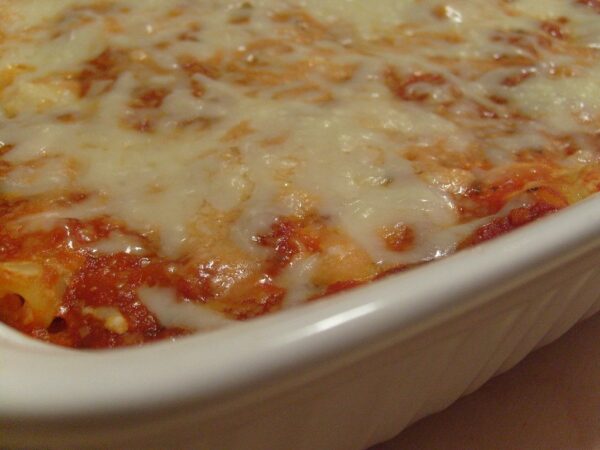
- Cover loosely with foil and bake for 25 minutes. Remove the foil and bake for another 20–25 minutes until bubbling and golden and a knife slides easily through the pasta.
- Rest the lasagna for at least 20 minutes before slicing and serving.
Step-by-Step Guide
Building the meat sauce
Start with the vegetables over medium heat and give them real time. They should be soft and sweet, not browned at the edges. Then turn the heat up before adding the beef so it fries rather than steams. Keep cooking until the pan is dry and the meat has a few brown bits; that browning is where much of the flavour comes from. Once the tomatoes go in, keep the simmer gentle. You want a sauce thick enough that a spoon dragged through it leaves a clear trail. A watery sauce is the main reason lasagna collapses on the plate.
Making a smooth bechamel
Cook the butter and flour together for a full two minutes so the raw flour taste disappears. Add the warm milk a ladle at a time at first, whisking well between additions, then pour in the rest. Simmer until it coats the back of a spoon like thin custard. It thickens further as it cools, so do not let it become stiff in the pan. If lumps appear, a quick whisk off the heat usually sorts them out.
Assembling the layers
A thin smear of meat sauce on the bottom of the dish stops the first layer of pasta sticking. Lay the sheets in a single layer, breaking pieces to fill gaps, and make sure each sheet is covered with sauce; any exposed dry pasta will stay hard. Keep the bechamel layers thin, just enough to cover the meat in a pale veil. The top layer should be pasta, bechamel and plenty of cheese.
Baking and resting
Baking covered for the first part lets the pasta absorb moisture and cook through. Uncovering at the end browns the cheese. Test by pushing a thin knife into the centre: it should glide in with no resistance. Then comes the hardest part, waiting. Twenty minutes of rest lets the layers set so your slices look as good as they taste.
Tips for the Best Results
- Make the meat sauce a day ahead. It thickens and the flavour improves overnight.
- Season each component well on its own. Under-seasoned bechamel is a common reason a lasagna tastes flat.
- Use a deep dish, at least 6 cm, and place it on a baking tray to catch any bubbling sauce.
- If the top browns too fast, lay the foil back over loosely.
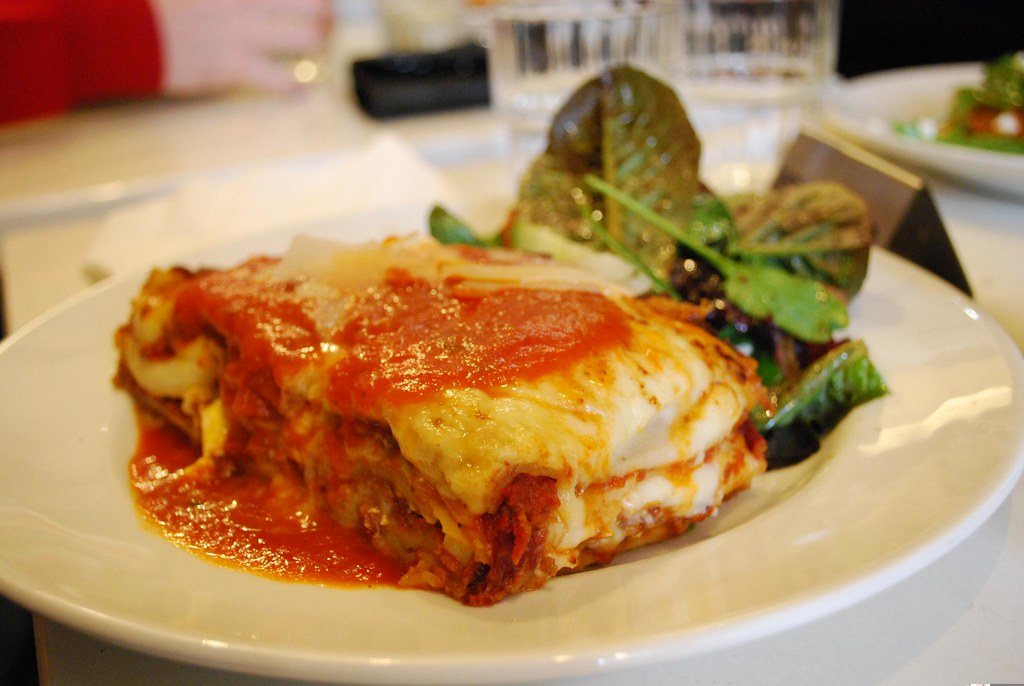
- Cut with a sharp knife and lift portions with a flat spatula for neat squares.
Variations and Serving Ideas
Spiced desi lasagna: Add 1 teaspoon each of ground cumin and garam masala, a little red chilli powder and a chopped green chilli to the meat sauce for a gentle Pakistani twist. Finish with fresh coriander instead of basil.
Chicken lasagna: Use chicken mince and replace the beef stock with chicken stock. Simmer for 25 minutes instead of 40, and make sure the dish is piping hot in the centre before serving.
Vegetable layer: Add a layer of wilted spinach or sliced roasted aubergine between the meat and bechamel for extra colour and a lighter feel.
Cheesier version: Scatter a little mozzarella over every layer, not just the top, for those long cheese pulls.
Lasagna is rich, so pair it with something fresh and crisp. A simple green salad with a lemony dressing, a tomato and cucumber salad, or steamed green beans all work well. Garlic bread is popular, though with this much pasta a plain crusty loaf is often enough. For a family dinner, serve with a jug of chilled lemonade or mint water.
Storage and Reheating
| Method | How long | Notes |
|---|---|---|
| Fridge (cooked) | Up to 3 days | Cool within 2 hours, cover tightly. |
| Fridge (assembled, unbaked) | Up to 24 hours | Add 10–15 minutes to the covered bake. |
| Freezer | Up to 3 months | Freeze whole or in portions, wrapped well. |
To reheat a portion, cover it and warm in the oven at 180°C (350°F) for 20 to 25 minutes, or microwave with a splash of water until steaming hot all the way through. Thaw frozen lasagna overnight in the fridge before reheating.
Frequently Asked Questions
Do I need to boil the lasagna sheets first?
No. In this beef lasagna recipe the sauces are loose enough to cook dried sheets in the oven. Just make sure every sheet is fully covered with sauce. If your packet specifically says pre-cook, follow the packet.
Can I use ricotta instead of bechamel?
Yes. Mix 500 g ricotta with an egg, Parmesan and a pinch of salt and spread it in place of the white sauce. The texture will be a little firmer and less creamy.
Why is my lasagna watery?
Usually the meat sauce was not reduced enough, or high-moisture fresh mozzarella was used. Simmer the sauce until thick and use grated low-moisture mozzarella. Resting before slicing also helps.
Can I make this beef lasagna recipe without an oven?
It is possible in a large heavy pot on very low heat with a lid, but the top will not brown. An air fryer oven or a countertop oven big enough for the dish gives much better results.
How do I know it is cooked?
The sauce should be bubbling at the edges, the top golden, and a knife should pass through the centre without resistance. The middle should be steaming hot.
Final Thoughts
Once you have made this beef lasagna recipe a couple of times, it becomes second nature: sauce, white sauce, pasta, cheese, repeat. Make a double batch of ragu, freeze half, and you are only ever thirty minutes of assembly away from one of the most comforting dinners there is.