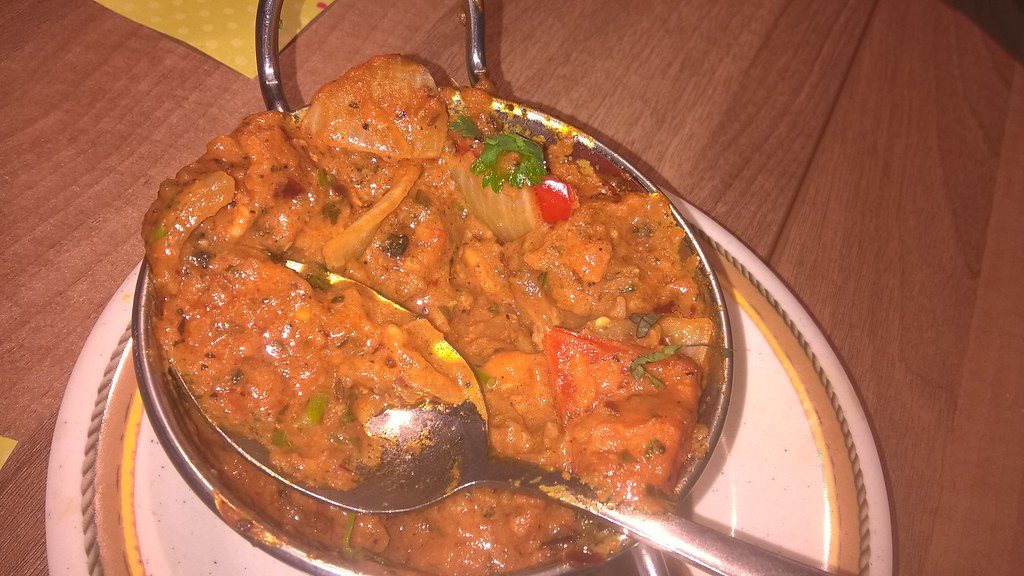
This chicken karahi recipe is the one to make when you want the bold, glossy curry you get at a good roadside dhaba, without spending the whole evening at the stove. It is built on just a few things done well: small bone-in pieces of chicken, plenty of ripe tomatoes, fresh ginger and green chillies, and high heat that reduces everything into a thick, spicy masala that coats every piece.
What makes this version stand out is the method. Instead of grating or blending tomatoes, you lay them over the chicken, let them steam until the skins slip off, then mash them straight into the pan. It is faster, there is less washing up, and the flavour is cleaner and brighter. No onions, no cream, no long simmering, just a proper Pakistani karahi on the table in about 40 minutes.
Why You’ll Love This Recipe
- Quick for a curry: from raw chicken to serving bowl in roughly 40 minutes.
- Short shopping list: most of it is tomatoes, ginger, garlic and spices you already have.
- Real restaurant texture: the masala is thick and clinging, not watery, with oil shining at the edges.
- Easy to adjust: make it milder for children or fiercer for chilli lovers with a simple swap.
What Makes a Karahi Different
A karahi is named after the wok-like pan it is cooked in. The deep, curved sides let you stir-fry over high heat, which is the secret to this style of curry. Rather than slowly simmering meat in a sauce, you are essentially frying the chicken in its own tomato masala until the moisture cooks off. That process, called bhuna, concentrates the flavour and gives the dish its signature sheen. A heavy wok or a wide, deep frying pan works well if you do not own a karahi.
Chicken Karahi Recipe: Restaurant-Style in 40 Minutes
Pakistani · Main Course · Easy
Ingredients
- 1 kg bone-in chicken, cut into small karahi pieces
- 100 ml (1/3 cup + 1 tbsp) vegetable oil or ghee
- 500 g (about 5 medium) ripe tomatoes, halved
- 1 tbsp ginger paste
- 1 tbsp garlic paste
- 1 tsp salt, or to taste
- 1 tsp crushed red chilli flakes
- 1/2 tsp red chilli powder
- 1/2 tsp turmeric
- 1 tsp coriander seeds, lightly crushed
- 1 tsp cumin seeds, lightly toasted and crushed
- 1 tsp coarsely ground black pepper
- 4-6 green chillies, slit
- 2 tbsp plain yoghurt, whisked (optional)
- 5 cm piece fresh ginger, cut into thin matchsticks
- 1/2 tsp garam masala
- 1 tsp dried fenugreek leaves (kasuri methi)
- Small handful fresh coriander, chopped
Method
- Heat the oil in a karahi or wide heavy pan over high heat. Add the chicken and fry for 5-6 minutes until the pieces turn white and lightly golden.
- Add the ginger and garlic pastes and stir-fry for 1-2 minutes until the raw smell is gone.
- Lay the tomato halves cut-side down over the chicken, cover and cook on medium heat for 6-8 minutes until the skins loosen.
- Pick out the tomato skins with tongs, then mash the tomatoes into the chicken with your spoon.
- Add salt, chilli flakes, chilli powder, turmeric, coriander seeds, cumin and black pepper. Stir-fry on high heat for 8-10 minutes until the oil separates and the masala clings to the chicken.
- Stir in the yoghurt if using and cook 2 minutes more. Check the chicken reaches 74°C (165°F) at the thickest piece.
- Add green chillies, ginger matchsticks, garam masala and crushed kasuri methi. Toss for 1 minute.
- Turn off the heat, scatter with fresh coriander and serve hot from the karahi.
Key Ingredients and Smart Substitutions
- Chicken: bone-in pieces give the best flavour and stay juicy. Ask your butcher for karahi cut, roughly 4-5 cm pieces. Boneless thigh works too; reduce the frying time by a few minutes.
- Tomatoes: use the ripest, reddest ones you can find. In winter, when tomatoes are pale, add 1 tablespoon of tomato paste to boost colour and depth.
- Oil or ghee: karahi needs a generous amount of fat to fry the masala. Ghee gives a richer taste, while oil keeps it lighter. You can spoon off the excess before serving.
- Whole spices, crushed: lightly crushed coriander and cumin seeds give little bursts of flavour that ground spices cannot match. A mortar and pestle or a rolling pin on a chopping board is all you need.
- Black pepper: coarse black pepper is a hallmark of Peshawari-style karahi and adds warmth without too much chilli heat.
- Kasuri methi: dried fenugreek leaves add a savoury, slightly bitter aroma. Crush them between your palms before adding.
Step-by-Step Guide
Stage 1: Seal the chicken
Get your pan properly hot before the chicken goes in. You want the pieces to sizzle loudly, not stew. Fry them until the outside turns white with a few golden patches. This builds flavour and stops the chicken releasing too much water later. Add the ginger and garlic pastes once the chicken is sealed, and keep stirring so they do not catch and burn.
Stage 2: Steam and mash the tomatoes
Place the halved tomatoes cut-side down on top of the chicken and cover the pan. The steam softens them and loosens the skins. After a few minutes, lift the skins away with tongs and press the soft tomatoes into the chicken. They will collapse into a rough sauce almost instantly.
Stage 3: The bhuna
This is the most important part. Add your spices and turn the heat up. Stir often, scraping the bottom of the pan, and let the liquid cook away. At first it will look watery. After 8-10 minutes it will thicken, turn a deep red, and you will see oil separating at the edges. That is your sign the masala is ready. If it starts sticking before the chicken is cooked, splash in 2-3 tablespoons of water and carry on.
Stage 4: Finish with freshness
Check the thickest piece of chicken is cooked through to 74°C (165°F), with clear juices and no pink near the bone. Then add the green chillies, ginger matchsticks, garam masala and kasuri methi. These go in at the end so they stay fresh and fragrant rather than cooked down.
Tips and Variations
Tips for the best results
- Do not overcrowd the pan. If your karahi is small, fry the chicken in two batches.
- Resist adding water. The tomatoes and chicken juices provide all the liquid this dish needs.
- Salt the masala early so the tomatoes break down faster.
- For a smoky dhaba touch, place a piece of hot charcoal in a small foil cup on the curry, drizzle a few drops of oil on it, and cover for 2 minutes.
Variations to try
White karahi: skip the tomatoes and chilli powder, and finish with yoghurt, cream and black pepper for a mild, creamy version. Peshawari karahi: keep it simple with only salt, tomatoes, green chillies and black pepper, cooked in mutton fat or ghee. Namak mandi style: use larger bone-in pieces and plenty of fat for a rich, rustic finish. You can also turn this into a mutton karahi, though the meat will need a longer cooking time to become tender.
Serving and Storage
What to serve with it
Karahi is traditionally eaten straight from the pan with hot naan, tandoori roti or homemade chapati to scoop up the masala. A simple kachumber salad of onion, tomato and cucumber with lemon juice cuts through the richness, and a bowl of mint raita cools things down. Plain basmati rice also works if you prefer it.
Storage and reheating
Let leftovers cool, then refrigerate in a covered container within two hours of cooking. They keep well for up to 3 days, and many people think the flavour improves overnight. Reheat gently in a pan with a splash of water until piping hot all the way through. You can freeze karahi for up to 2 months; thaw it in the fridge before reheating.
Frequently Asked Questions
Can I make this chicken karahi recipe without a karahi pan?
Yes. Any wide, heavy pan with high sides will work, such as a wok, a deep frying pan or a sauté pan. The key is a large surface area so the moisture can cook off quickly.
Why is my karahi watery?
Usually the heat was too low or the pan was crowded. Turn up the heat and keep stirring until the liquid reduces and oil appears at the edges.
Can I use canned tomatoes?
You can, though fresh tomatoes give a brighter taste. Use one 400 g can of good chopped tomatoes and add it after the ginger and garlic, then cook it down well.
How do I make it less spicy?
Reduce or remove the chilli flakes and powder, and deseed the green chillies. The black pepper and ginger will still give plenty of flavour.
Is this chicken karahi recipe suitable for meal prep?
It is. Cook a double batch, portion it into containers and refrigerate for up to 3 days or freeze for longer.
Final Thoughts
Once you have made this chicken karahi recipe a couple of times, you will not need to look at the instructions again. It is a dish about feel: hot pan, ripe tomatoes, patient frying and fresh ginger at the end. Make it for a weeknight dinner or a weekend gathering, put the karahi in the middle of the table with a stack of naan, and let everyone dig in.