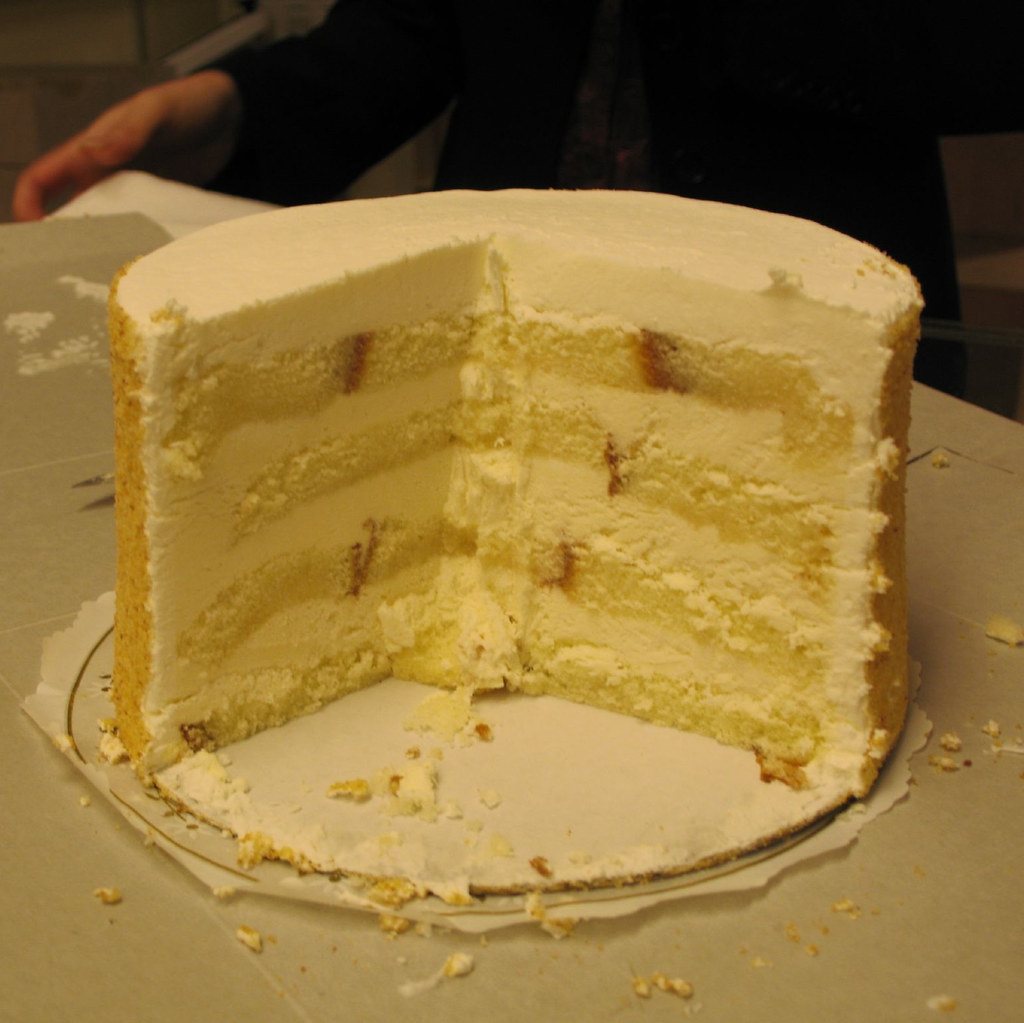
Every home baker needs a dependable vanilla sponge cake, and this is the one to keep. It uses equal weights of butter, sugar, eggs and flour, a time-tested ratio that produces a light, moist crumb with a fine texture and a lovely golden top.
What sets this version apart is the attention to small details that make a big difference: properly softened butter, room-temperature eggs, gentle folding and a short, accurate bake. Follow those and you will get a tall, even sponge that is soft enough to eat plain with a cup of chai yet sturdy enough to layer for a birthday.
Why This Recipe Works
- Simple ratio: equal weights of the four main ingredients are easy to remember and easy to scale.
- Light but buttery: creaming the butter and sugar traps air, while a little extra baking powder helps the cake rise evenly.
- Versatile base: fill it, frost it, turn it into cupcakes or flavour it with lemon or chocolate.
- No special tools: a hand mixer helps, but a wooden spoon and some arm work will do the job.
Choosing Your Ingredients
- Butter: Unsalted butter lets you control the salt. It must be very soft, so that your finger presses into it easily, but not melted. Baking spread or margarine also works and gives a slightly lighter, fluffier cake.
- Sugar: Caster sugar dissolves quickly and gives the finest crumb. If you only have regular granulated sugar, blitz it for a few seconds in a grinder.
- Eggs: Use large eggs at room temperature. Cold eggs can make the batter curdle. To warm them quickly, place them in a bowl of warm water for 10 minutes.
- Flour: Self-raising flour is easiest. To make your own, mix plain flour (maida) with baking powder as listed. Sift it to keep the batter light.
- Vanilla: Pure vanilla extract tastes far better than artificial essence. If using essence, start with 1 teaspoon, as it can be strong.
Vanilla Sponge Cake Recipe: Light, Soft and Foolproof
British · Dessert · Easy
Ingredients
- 225 g (1 cup) unsalted butter, very soft, plus extra for greasing
- 225 g (1 cup + 2 tbsp) caster sugar
- 4 large eggs, at room temperature
- 2 tsp pure vanilla extract
- 225 g (1¾ cups + 1 tbsp) self-raising flour (or plain flour plus 2½ tsp baking powder)
- 1 tsp baking powder (extra, for an extra-light rise)
- ¼ tsp salt
- 2 to 3 tbsp milk, at room temperature
- To fill (optional): 4 tbsp strawberry or raspberry jam and 200 ml whipping cream, whipped
- Icing sugar or caster sugar to dust
Method
- Heat the oven to 180°C (160°C fan, 350°F). Grease two 20 cm (8 inch) round tins and line the bases with baking paper.
- Beat the butter and sugar together for 3 to 5 minutes until very pale and fluffy.
- Beat in the eggs one at a time with the vanilla, adding a spoonful of the flour with each egg if the mixture starts to curdle.
- Sift in the flour, baking powder and salt and fold gently with a large spoon or spatula until just combined.
- Fold in enough milk to give a soft dropping consistency, where the batter falls easily off the spoon.
- Divide evenly between the tins and smooth the tops.
- Bake for 22 to 25 minutes until golden, springy to the touch and a skewer inserted in the centre comes out clean.
- Cool in the tins for 10 minutes, then turn out onto a wire rack to cool completely.
- Sandwich with jam and whipped cream, if using, and dust the top with sugar.
The Method, Explained
Creaming the butter and sugar
This step builds the structure of the cake. Beat until the mixture turns almost white and looks fluffy, and it should increase noticeably in volume. Scrape down the bowl halfway so no streaks of plain butter remain. Rushing this stage is the most common reason for a dense sponge.
Adding the eggs
Add the eggs one at a time and beat well after each. If the mixture looks split or grainy, add a spoonful of the flour; it will come back together. A slightly curdled batter will still bake into a decent cake, but a smooth one gives a finer texture.
Folding in the flour
Now switch to gentle movements. Use a large metal spoon or spatula to cut through the middle and fold the batter over itself, turning the bowl as you go. Stop as soon as no dry flour is visible. Overmixing develops gluten and knocks out air, which can make the cake tough and flat.
Baking and cooling
Weigh the batter into each tin if you want perfectly even layers. Bake on the middle shelf and do not open the oven door for the first 18 minutes, because a sudden drop in temperature can make a rising sponge sink. The cake is done when it is golden, has shrunk slightly from the sides, and springs back when lightly pressed. Cool fully before filling, or the cream will melt.
Tips for the Best Vanilla Sponge Cake
- Check your oven temperature with an oven thermometer if cakes often burn or stay pale; many home ovens run hot or cold.
- Measure by weight with a kitchen scale for the most reliable result.
- For a single deep cake, use a 20 cm (8 inch) tin at least 7 cm deep and bake at 170°C (150°C fan) for 45 to 55 minutes.
- If the top is browning too fast, lay a sheet of foil loosely over the tin.
- Brush the cooled layers with a simple sugar syrup flavoured with vanilla if you want an extra-moist celebration cake.
Flavour Variations and Ways to Fill It
The classic filling is jam and whipped cream, sometimes called a Victoria sponge. You can also use vanilla buttercream, fresh strawberries and cream, or lemon curd. For a lemon sponge, add the finely grated zest of two lemons to the butter and sugar and use lemon juice instead of milk. For a chocolate sponge, swap 25 g of the flour for cocoa powder and add an extra tablespoon of milk. For a cardamom version that pairs beautifully with chai, add ½ teaspoon of freshly ground cardamom along with the flour.
The same batter makes about 20 cupcakes; bake them at 180°C (160°C fan) for 16 to 20 minutes.
Storage
An unfilled vanilla sponge cake keeps well in an airtight tin at room temperature for 3 days. Once filled with fresh cream, store it in the fridge and eat within 2 days. Unfilled layers freeze very well: wrap each one tightly in cling film and then foil, and freeze for up to 3 months. Thaw at room temperature, still wrapped, before filling.
Frequently Asked Questions
Why did my sponge sink in the middle?
The most common causes are opening the oven door too early, underbaking, or using too much raising agent. Make sure the centre springs back before you remove it.
Why is my cake dense?
Usually the butter was too cold to cream properly, or the batter was overmixed after the flour went in. Soft butter and gentle folding solve both problems.
Can I use oil instead of butter?
You can use about 180 ml of neutral oil, beaten with the sugar and eggs. The cake will be moist but less buttery in flavour, with a slightly different, more open crumb.
Can I bake this without an oven?
Yes, in a large heavy pot with a lid. Preheat the pot on a stand or a layer of salt for 10 minutes, place the tin inside and bake on low heat for 40 to 45 minutes, checking with a skewer.
Bake It Your Way
A classic vanilla sponge cake is simple, comforting and endlessly adaptable. Master this one, and you will have the base for birthday cakes, tea-time treats and quick desserts for years to come.