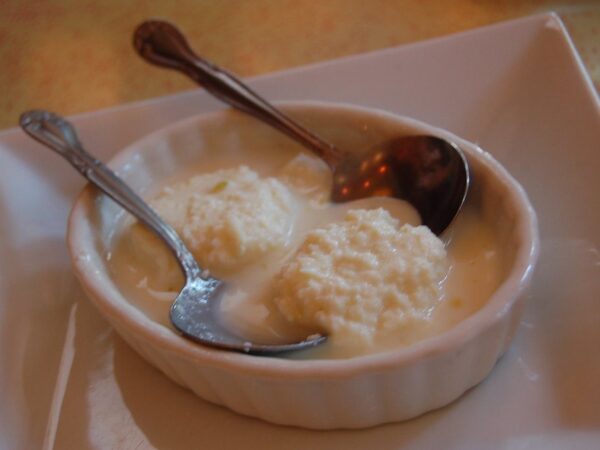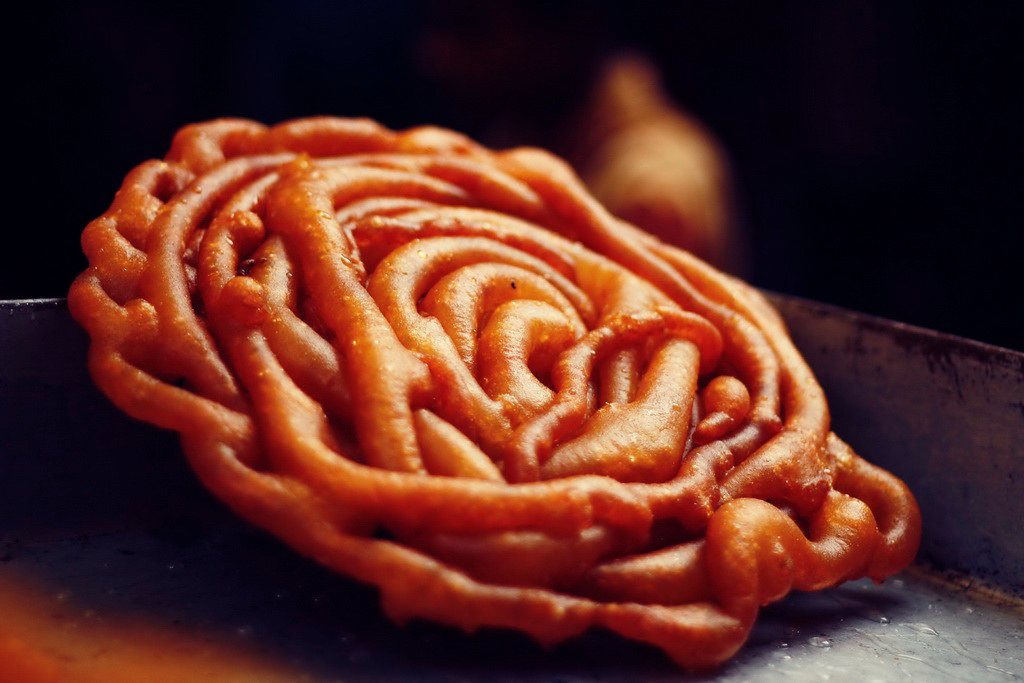
Hot, crunchy spirals dripping with saffron syrup are hard to resist, and this jalebi recipe shows you how to make them at home without a halwai’s years of practice. The batter is lightly fermented for that classic tang, piped straight into hot ghee or oil, and dropped into warm syrup while still sizzling.
This version uses an overnight ferment with a small amount of yogurt and yeast, which gives reliable results and the authentic slightly sour flavour. There is also a quick same-day option if a craving strikes in the afternoon. Either way, the key is a thick batter, hot oil and syrup at the right consistency.
Why You’ll Love These Jalebis
- Crisp outside, juicy inside: They stay crunchy for a good while after soaking.
- Simple ingredients: Flour, yogurt, a pinch of yeast, sugar and oil.
- No special equipment: A squeeze bottle or a zip bag with a small hole works perfectly.
- Great with breakfast or tea: Serve with rabri, warm milk or alongside halwa puri.
Ingredients and Substitutions
- Plain flour (maida): The base of the batter. Do not swap for whole wheat flour, which makes the jalebis heavy.
- Cornflour: A couple of spoons improves crispness.
- Yogurt: Adds tang and helps fermentation. Use plain, full-fat yogurt.
- Instant yeast: A small amount makes the rise predictable. Traditional recipes rely on natural fermentation over 24 hours or more, which works well in warm weather but is less reliable in cold kitchens.
- Sugar syrup: One-string consistency, flavoured with cardamom, saffron and a few drops of lemon juice to stop crystallisation.
- Ghee or oil: Ghee is traditional and gives a richer taste. A neutral oil with a spoon of ghee added is a good compromise.
- Colour: A pinch of turmeric or saffron gives a natural yellow-orange shade instead of artificial colour.
Jalebi Recipe: Crispy Homemade Jalebi in Saffron Syrup
Pakistani · Dessert · Medium
Ingredients
- 1 cup (125 g) plain flour (maida)
- 2 tbsp cornflour
- 2 tbsp plain full-fat yogurt
- 1/4 tsp instant yeast
- 1/2 cup (120 ml) lukewarm water, plus more if needed
- A pinch of turmeric or saffron for colour
- 1.5 cups (300 g) sugar
- 3/4 cup (180 ml) water for the syrup
- 4 green cardamom pods, crushed
- A pinch of saffron threads
- 1/2 tsp lemon juice
- Ghee or neutral oil for frying
Method
- Whisk the flour, cornflour, yogurt, yeast, colour and water into a thick, smooth batter that falls in a ribbon.
- Cover and ferment in a warm place for 8 to 12 hours until bubbly and slightly sour; beat well before using.
- Boil the sugar, water, cardamom and saffron until one-string consistency, then add lemon juice and keep warm.
- Heat ghee or oil in a wide shallow pan to about 170°C (340°F).
- Fill a squeeze bottle with batter and pipe spirals into the oil.
- Fry over medium heat for about 2 minutes per side until crisp and golden.
- Drain briefly and soak in warm syrup for 30 to 60 seconds, turning once.
- Lift out onto a plate and serve hot.
Walkthrough: From Batter to Syrup
Mixing and fermenting
Whisk flour, cornflour, yogurt, yeast and water into a smooth, thick batter, roughly the consistency of thick pancake batter. It should flow slowly from a spoon in a ribbon. Cover and leave in a warm place for 8 to 12 hours, or about 2 hours if you increase the yeast for a same-day version. When ready, it will look bubbly and smell pleasantly sour. Beat it for a minute to bring it back together.
Preparing the syrup
Dissolve sugar in water over medium heat, add cardamom and saffron, and boil until it reaches one-string consistency: touch a cooled drop between finger and thumb, pull apart, and you should see a single thread. Stir in a few drops of lemon juice. Keep the syrup warm, not boiling, while you fry.
Frying
Heat ghee or oil in a wide, shallow pan to about 170°C (340°F). A drop of batter should rise to the surface steadily, not burn instantly. Fill a squeeze bottle with batter and pipe spirals directly into the oil, starting from the outside and working inward, or the other way round. Fry over medium heat until both sides are crisp and golden, about 2 minutes per side.
Soaking
Lift the jalebis out with a slotted spoon, drain for a second, and drop them into the warm syrup. Leave them for 30 seconds to a minute, turning once, then remove to a plate. A longer soak makes them sweeter but less crisp.
Tips for Crisp, Round Jalebis
Jalebi making is more about feel than measurements, and every kitchen behaves a little differently. Humidity, the strength of your flour and the warmth of the room all affect how the batter ferments and flows. Treat the first few spirals as a test batch, adjust the batter or the heat, and then carry on with confidence. These pointers will help you get there faster.
- Batter thickness is everything. Too thin and the spirals spread flat; too thick and they will not pipe smoothly.
- Keep the oil steady. If it gets too hot, the jalebis brown before they crisp; too cool and they absorb oil and go limp.
- Warm syrup, hot jalebi. This combination is what lets the syrup soak in without making them soggy.
- Practise on one or two. Your first spirals may look uneven. Shape improves quickly after a few tries.
- Do not overcrowd the pan. Fry in small batches to keep the temperature stable.
Serving Ideas and Storage
Serve jalebis hot, ideally straight from the syrup. In Pakistan they are a classic winter breakfast dipped into warm milk, and they pair beautifully with chilled rabri for a hot-and-cold dessert. They are also a staple alongside samosas and pakoras for Ramadan iftar.
Jalebis are best eaten the same day. Leftovers can be kept at room temperature in an airtight container for a day; they will soften, but warming them briefly in an air fryer or a hot oven for 2 to 3 minutes brings back some crunch. Leftover batter can be refrigerated for a day; bring it back to room temperature and beat well before using.
Frequently Asked Questions
Can I follow this jalebi recipe without yeast?
Yes. Mix flour and yogurt and leave the batter in a warm place for 24 hours or longer to ferment naturally. Some cooks add a pinch of baking soda just before frying instead, but the texture is less crisp.
Why are my jalebis flat?
The batter is probably too thin or over-fermented. Add a spoon or two of flour and let it rest for 15 minutes.
Why did the syrup crystallise?
It was cooked past one-string consistency or stirred too much while boiling. Add a splash of hot water and a few drops of lemon juice and warm it until smooth again.
What can I use instead of a piping bottle?
A thick zip-lock bag with a small corner snipped off, or a cloth with a small hole, the traditional halwai method.
Bring the Sweet Shop Home
With a little practice, this jalebi recipe will give you spirals as crisp and syrupy as any sweet shop. Make a batch on a chilly morning or for a family gathering, and watch how quickly the plate empties. Once you are confident, try your next jalebi recipe experiment with a pinch of rose water in the syrup.