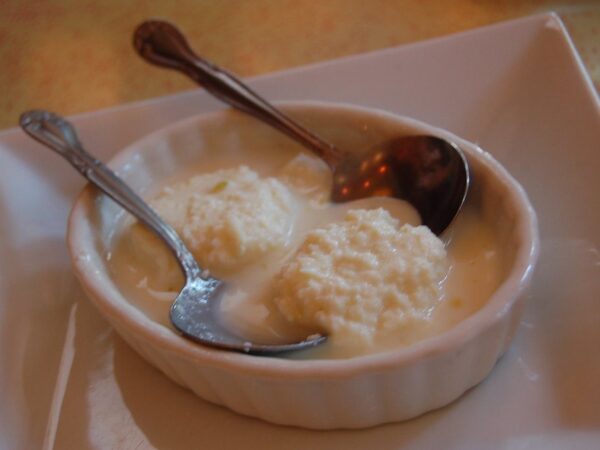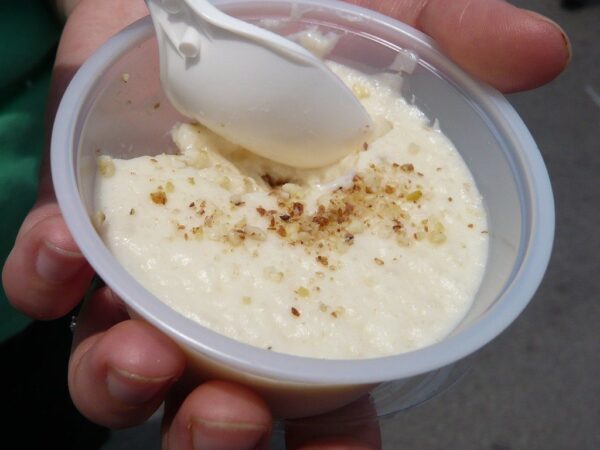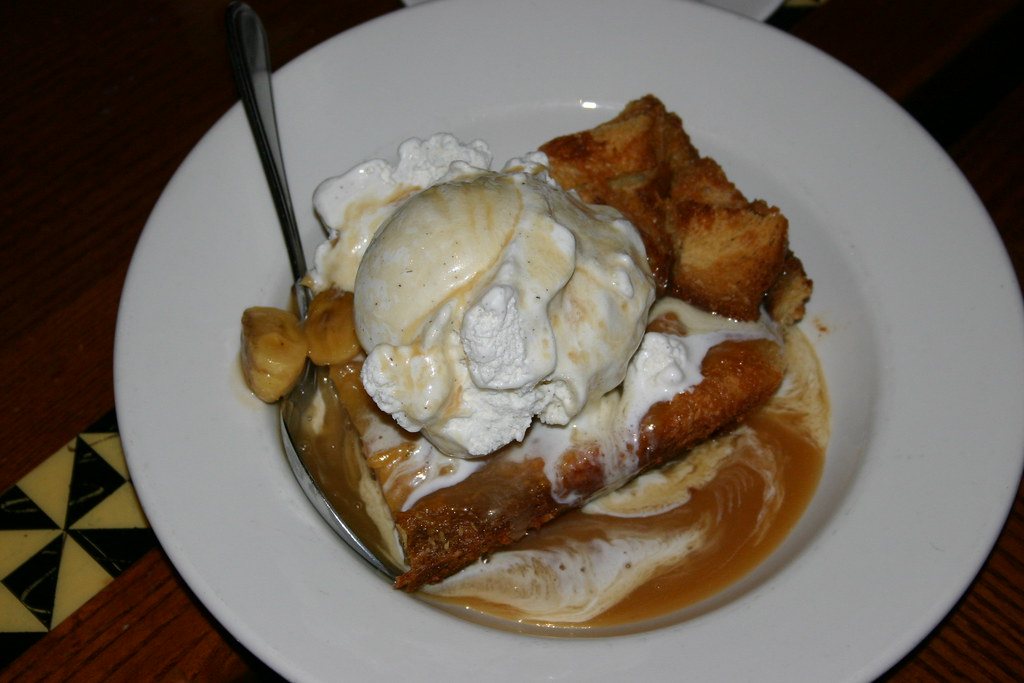
Crisp golden bread, a quick dip in cardamom syrup, and a generous pour of thick saffron rabri on top: this shahi tukray recipe delivers a royal Mughlai dessert using very ordinary ingredients. The name literally means royal pieces, and the contrast of crunchy edges with soft, milky centres explains why it has stayed a favourite at Eid tables and wedding buffets.
Our version keeps the traditional ghee-fried bread but simplifies the rabri, so you do not need to stand over a pot for two hours. A short reduction, a spoon of milk powder and a little cornflour give you a thick, creamy topping in around 30 minutes, with all the flavour of the slow-cooked original.
Why This Version Works
The trouble with many home attempts is soggy bread. Here the slices are fried until truly crisp and dry, soaked in syrup only briefly, and the rabri is poured on just before serving or a short while ahead so the bread soaks it up without collapsing. You get a dessert with real texture rather than a sweet bread mush.
It is also an excellent way to use slightly stale bread. Day-old slices actually fry better because they hold less moisture, which means less spitting in the pan and a crunchier finish. If your bread is very fresh, leave the cut pieces uncovered on a tray for an hour before frying so the surface dries out a little.
Ingredient Notes
- Bread: Thick-cut white sandwich bread or milk bread. Remove the crusts and cut each slice into triangles or rectangles. Brioche is richer but browns faster, so keep an eye on it.
- Ghee: Gives the classic aroma. You can shallow-fry in ghee or brush the slices with ghee and toast them in the oven for a lighter option.
- Sugar syrup: A light, one-string syrup flavoured with cardamom and saffron. It sweetens the bread and keeps it glossy.
- Milk and milk powder: Full-cream milk reduced with a little milk powder makes a quick rabri. Condensed milk can replace both the milk powder and part of the sugar.
- Cornflour: Just a teaspoon to give the rabri body without hours of reduction.
- Garnish: Pistachios, almonds, a few saffron threads, and edible silver leaf for special occasions.
Shahi Tukray Recipe: Crispy Bread with Saffron Rabri
Pakistani · Dessert · Medium
Ingredients
- 6 slices thick white bread, crusts removed, cut into triangles
- 4–5 tbsp ghee for frying
- 1 litre full-cream milk
- 3 tbsp milk powder
- 1 tsp cornflour mixed with 2 tbsp cold milk
- 1/3 cup (65 g) sugar for the rabri
- 1/2 cup (100 g) sugar for the syrup
- 1/2 cup (120 ml) water
- 4 green cardamom pods, crushed
- A pinch of saffron soaked in 1 tbsp warm milk
- 2 tbsp pistachios, sliced
- 2 tbsp almonds, sliced
- Edible silver leaf (optional)
Method
- Boil the milk in a heavy pan, then simmer, stirring often, until reduced by about a third.
- Whisk in the milk powder and cornflour slurry, add sugar, half the cardamom and saffron, and cook until thick; set aside.
- Boil the sugar, water and remaining cardamom for 5 to 6 minutes to make a light syrup.
- Fry the bread pieces in ghee over medium heat in batches until deep golden and crisp; drain on a rack.
- Dip each fried piece in warm syrup for 2 to 3 seconds per side and arrange in a serving dish.
- Spoon the rabri over the bread and garnish with pistachios, almonds, saffron and silver leaf.
- Serve warm, or chill for 1 hour before serving.
Making Shahi Tukray Step by Step
1. Start the rabri
Begin with the milk because it takes the longest. Bring it to a boil in a heavy pan, then simmer, stirring and scraping the sides often. When it has reduced by about a third, whisk in the milk powder and the cornflour slurry. Add sugar, cardamom and saffron and cook until it coats a spoon thickly. Set aside to cool slightly; it thickens further as it rests.
2. Make the syrup
While the milk simmers, boil sugar and water with crushed cardamom for 5 to 6 minutes. You want a light syrup that feels slightly sticky between your fingers, not a thick one-string syrup that will set hard.
3. Fry the bread
Heat ghee in a frying pan over medium heat. Fry the bread pieces in batches until deep golden on both sides and crisp throughout. Too high a heat browns the outside while leaving the centre soft. Drain on a rack rather than paper, so the bottoms stay crisp.
4. Dip and assemble
Dip each fried piece in warm syrup for just two or three seconds per side and arrange in a serving dish. Spoon the rabri over the top, scatter the nuts and saffron, and serve warm, or chill for an hour.
Tips and Variations
- Oven method: Brush slices with melted ghee on both sides and bake at 180°C (350°F) for 12 to 15 minutes, turning once. Less oil, still crunchy.
- Skip the syrup: If you prefer a less sweet dessert, drizzle the fried bread with a little honey instead and add a touch more sugar to the rabri.
- Air fryer: Brush with ghee and air-fry at 180°C for about 6 to 8 minutes until golden.
- Double-decker: Layer two pieces with rabri in between for a more lavish presentation.
- Fruit touch: Mango or strawberry slices on top add freshness in summer.
Whichever variation of this shahi tukray recipe you choose, keep the bread crisp and the rabri thick and you cannot go far wrong.
Serving and Storage
Serve shahi tukray warm in winter and chilled in summer. It is rich, so one or two pieces per person is usually plenty after a full meal. It goes well with a cup of doodh patti chai and makes a stunning centrepiece on an Eid dessert table.
You can make the rabri and fry the bread up to a day ahead, storing the bread in an airtight tin and the rabri in the fridge. Assemble a few hours before serving. Once assembled, leftovers keep in the fridge for 2 days, though the bread softens as it sits. Reheat gently in the microwave if you want it warm.
Frequently Asked Questions
What is the difference between shahi tukray and double ka meetha?
They are close cousins. Double ka meetha, from Hyderabad, is usually simmered with milk until the bread is soft throughout, while shahi tukray tends to keep crisper bread with rabri poured on top.
Can I use brown bread?
Yes, but white bread gives the classic soft-crisp texture and lighter colour. Brown bread has a stronger flavour that competes with the saffron.
Why did my bread go soggy?
Either it was not fried crisp enough, it sat too long in the syrup, or the rabri was too thin. Fry until dry, dip briefly, and reduce the milk well.
Is this shahi tukray recipe suitable for making in bulk?
It scales easily. For a large crowd, oven-toast the bread on several trays and assemble in a big baking dish.
Can I make it without milk powder?
Yes. Simply reduce the milk longer, until it is about half its original volume, before adding the sugar.
Final Word
Shahi tukray proves that a royal dessert does not need rare ingredients, only a bit of care with frying and a good pot of rabri. Keep this shahi tukray recipe handy for Eid and dinner parties, and you will never look at leftover bread the same way again.