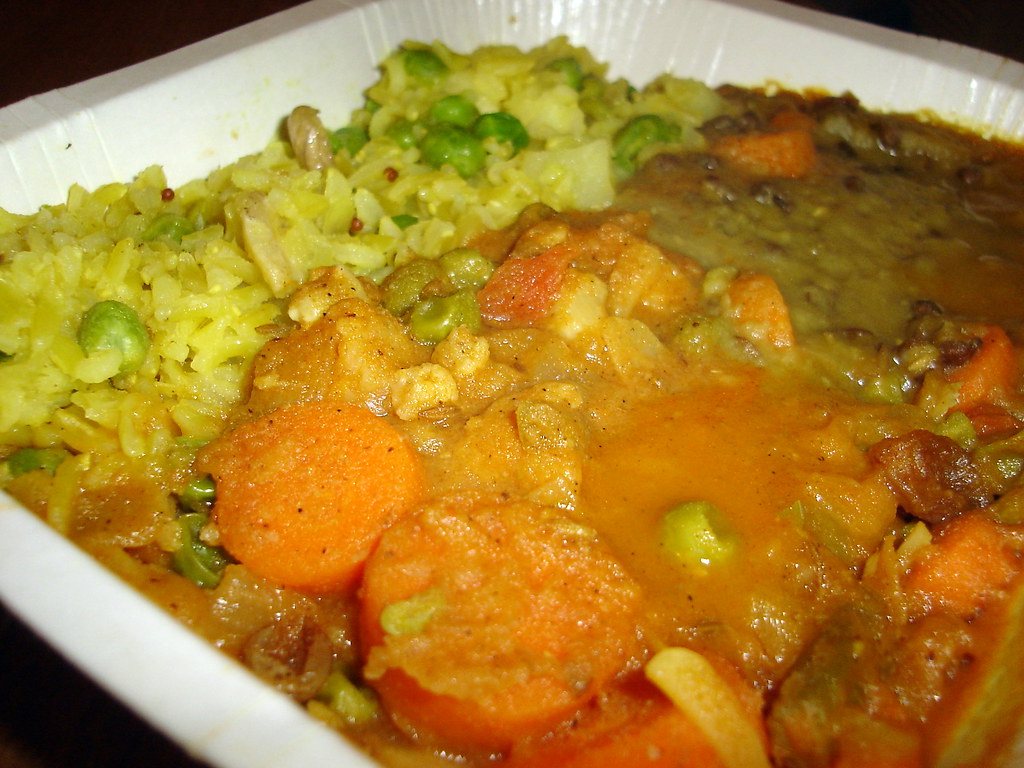
Creamy, gently spiced and full of colourful vegetables, this vegetable korma recipe is the mild curry that pleases everyone at the table, from children to spice lovers. The sauce is built on golden onions, cashews and yoghurt, giving a silky texture without relying on heavy cream.
What makes this version special is balance. Each vegetable is added at the right moment, so the carrots are tender, the peas are still sweet and the cauliflower holds its shape. Whole spices fried in ghee give a fragrant, festive aroma, and a pinch of kewra or rose water at the end adds a classic Mughlai touch if you want it.
Why You’ll Love It
- It is rich and comforting but not overly heavy.
- It is naturally vegetarian and easily made vegan.
- It uses everyday vegetables you probably already have.
- The heat level is gentle, making it ideal for family meals.
- It reheats beautifully, so it is perfect for making ahead.
The Heart of a Good Korma
Korma is about the sauce. Traditionally it is thickened with nuts and enriched with yoghurt or cream, with spices used for fragrance rather than fire. Instead of chilli heat, think cardamom, cinnamon, cloves and a little white pepper. Browned onions blended into the base give natural sweetness and a lovely beige-gold colour. If you get the sauce right, the vegetables simply soak it up.
Vegetable Korma Recipe: Creamy Mixed Veg Curry with Cashews
Pakistani · Main Course · Easy
Ingredients
- 2 medium onions, thinly sliced
- 3 tbsp cooking oil
- 40 g (1/3 cup) cashews, soaked 15 minutes
- 2 tbsp ghee
- 4 green cardamom pods
- 1 small cinnamon stick
- 4 cloves
- 1 tsp cumin seeds
- 1 tbsp ginger garlic paste
- 1 tsp ground coriander
- 1/2 tsp turmeric powder
- 1/2 tsp Kashmiri chilli powder
- 1/4 tsp white pepper
- 1 1/4 tsp salt, or to taste
- 150 g (2/3 cup) full-fat plain yoghurt, whisked
- 1 potato and 1 carrot, cut into 1.5 cm cubes
- 200 g cauliflower florets
- 100 g green beans, cut into 2 cm pieces
- 100 g (3/4 cup) frozen peas
- 1 small bell pepper, diced (optional)
- 3 tbsp cream (optional)
- 1/4 tsp garam masala
- Few drops kewra water (optional), fried cashews and coriander to garnish
Method
- Fry the onions in oil until golden. Cool slightly, then blend with the soaked cashews and a little water into a smooth paste.
- Heat ghee in a pot; add cardamom, cinnamon, cloves and cumin. When fragrant, add ginger garlic paste and cook 1 minute.
- Lower the heat and stir in the onion-cashew paste, ground spices and salt. Cook 2 minutes.
- Remove from the heat and stir in the yoghurt a spoonful at a time. Return to low heat and cook until thick and glossy.
- Add potato, carrot and 120 ml water. Cover and cook 8 minutes.
- Add cauliflower and beans; cook 6–8 minutes more. Add peas and pepper and cook 3 minutes until all vegetables are tender.
- Stir in cream, garam masala and kewra water if using. Garnish with fried cashews and coriander and serve.
Choosing Your Vegetables
Almost any mix works, but aim for a variety of textures and colours. Here is what goes into this version and why:
- Potatoes and carrots: Firm vegetables that need the longest cooking; cut them into small, even cubes.
- Cauliflower: Small florets soak up the sauce wonderfully. Broccoli is a fine substitute but needs less time.
- Green beans: Cut into 2 cm pieces for a little crunch.
- Peas: Frozen peas are perfect and go in near the end.
- Bell pepper: Optional, for colour and sweetness.
- Cashews: Soaked and blended, they give the sauce body. Almonds or melon seeds (magaz) can be used instead. For a nut-free korma, use extra yoghurt and a spoon of desiccated coconut.
- Yoghurt: Full-fat plain yoghurt, whisked smooth, prevents splitting. For a vegan version, use coconut milk or thick plant yoghurt.
How to Make It
Make the paste
Fry the sliced onions in oil until evenly golden but not dark, then lift them out and let them cool slightly. Blend them with the soaked cashews and a little water into a smooth paste. This step is the foundation of a restaurant-quality korma.
Bloom the spices
In the same pot, warm ghee and add the whole spices. When the cardamom puffs and the cumin sizzles, add the ginger garlic paste and cook for a minute until the raw smell is gone.
Cook the sauce
Lower the heat and stir in the onion-cashew paste and ground spices. Take the pot off the heat briefly and stir in the whisked yoghurt, a spoonful at a time, so it does not curdle. Return to low heat and cook, stirring, until the sauce thickens and the ghee begins to shimmer on top.
Add the vegetables in stages
Add the potatoes and carrots first with a little water, cover and cook for about eight minutes. Then add the cauliflower and beans and cook another six to eight minutes. Finally add the peas and pepper for the last three minutes. Test with a knife: everything should be tender but not falling apart.
Finish
Stir in the cream if using, a pinch of garam masala and a few drops of kewra water. Garnish with fried cashews and fresh coriander.
Tips and Easy Variations
Keep the heat low once the yoghurt is in, and always stir in the same direction for the first minute; this old habit really does help keep the sauce smooth. Taste for salt at the end, since nut-based sauces often need a little more than you expect. A pinch of sugar rounds out the flavour if your yoghurt is very sour.
For a paneer korma, add cubes of lightly fried paneer with the peas. For a white korma, skip turmeric and chilli and use white pepper. If you want a little more warmth, add a slit green chilli with the vegetables. You can also make this vegetable korma recipe in a pressure cooker: cook the sauce, add all vegetables except peas and cook for one whistle, then stir in the peas.
Serving and Storage
Korma pairs beautifully with jeera rice, plain basmati, naan or soft parathas. For a full spread, serve it alongside a dal and a crisp salad. It also makes a lovely, mild option at a dinner party where some guests prefer less spice.
Refrigerate leftovers in an airtight container for up to three days. The sauce thickens as it cools, so add a splash of water or milk when reheating gently on the stove. You can freeze it for up to two months, but potatoes can turn slightly grainy, so if freezing, consider leaving them out and adding fresh ones on reheating.
Frequently Asked Questions
Why did my korma sauce split?
The yoghurt was probably added to a very hot pan or was low-fat. Use full-fat yoghurt, whisk it well and add it off the heat.
Can I make this vegetable korma recipe vegan?
Yes. Use oil instead of ghee and replace the yoghurt and cream with coconut milk. The cashews keep it creamy.
Can I use frozen mixed vegetables?
Absolutely. Add them straight from frozen once the sauce is ready, and simmer until tender, usually about ten minutes.
Is korma supposed to be sweet?
It should taste mildly sweet from the onions and nuts, but not sugary. Adjust with salt and a squeeze of lemon if needed.
How do I make the sauce thicker or thinner?
To thicken, simmer uncovered for a few extra minutes or add another spoon of cashew paste. To loosen, stir in hot water or milk a little at a time until it coats the back of a spoon nicely. Remember that korma always thickens further as it stands.
A Mild Curry Worth Making
This vegetable korma recipe is proof that a curry does not need to be fiery to be full of flavour. With a smooth, fragrant sauce and tender vegetables, it is a comforting meal that suits any day of the week.